


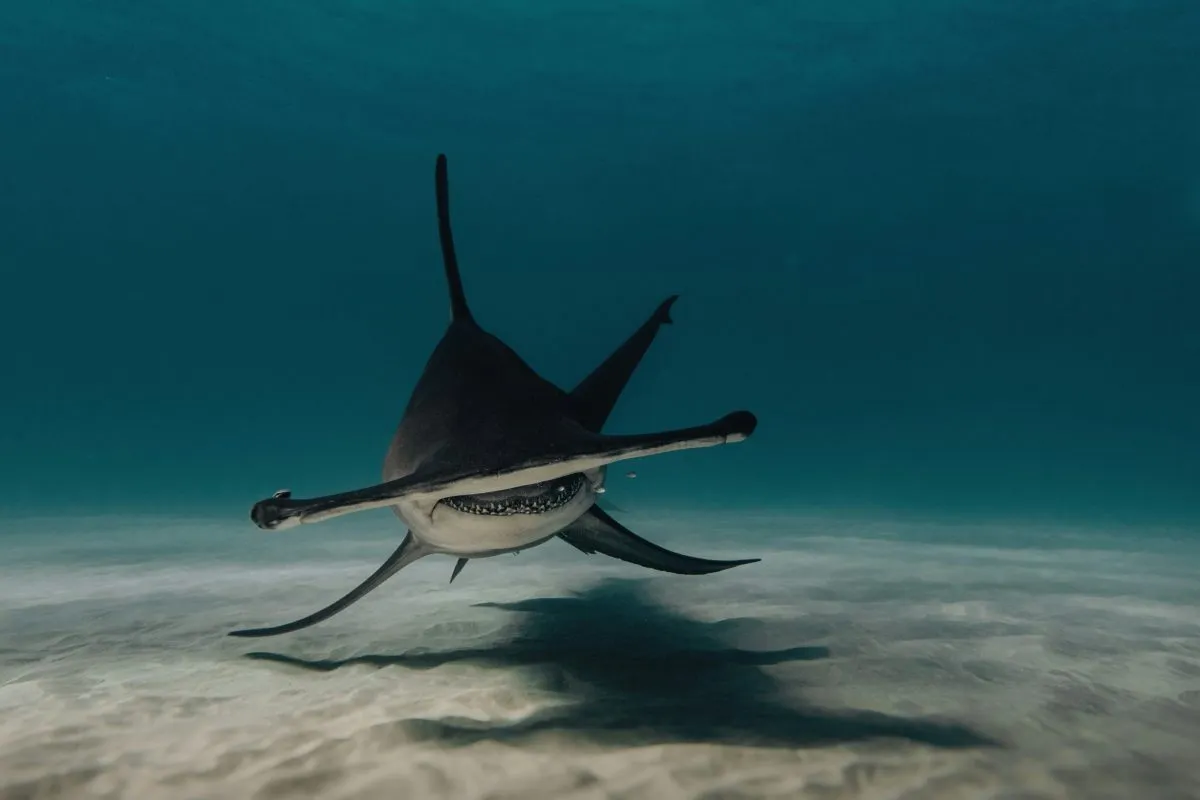
Panama has signed a new agreement to strengthen protections for hammerhead sharks. The Memorandum of Understanding between the Charles Darwin Foundation and the Ministry of Environment targets the vulnerable species. Officials announced the pact on May 20, 2026. The hammerhead shark is central to the balance of Panama’s marine ecosystem.
The collaboration focuses on four key areas of work. These include scientific research, regulatory frameworks, community engagement, and financial sustainability. The foundation brings applied research and technical assistance to the partnership. Panama will gain direct access to a regional network of experts and data. The country sits within the Eastern Tropical Pacific Marine Corridor, a critical migration route for the species.
Scientific Research and Cross-Border Cooperation
The first pillar involves cross-border research on hammerhead sharks and their ecosystems. Scientists will generate data that Panama can use for shared management decisions. The second pillar focuses on technical inputs for stronger legal frameworks. These frameworks will cover both sharks and rays in Panamanian waters.
Community training forms the third pillar of the agreement. Local artisanal fishing groups will receive education on conservation practices. The goal is to help these communities transition toward protecting the species. The fourth pillar explores innovative blue economy financing mechanisms. These mechanisms align with the World Trade Organization Agreement on Fisheries Subsidies.
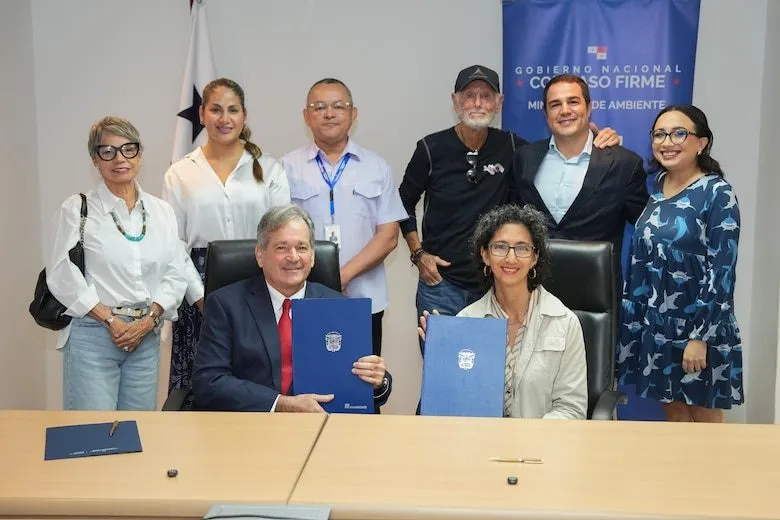
“This effort will provide technical and scientific support for the design and implementation of an updated regulatory framework on sharks and rays in Panama. This is a priority issue where we have made significant progress, but important challenges remain.” [Translated from Spanish]
Environment Minister Juan Carlos Navarro made that statement during the signing ceremony. He emphasized the government’s commitment to marine conservation. The Hammerhead shark conservation status remains a global concern. Several species are listed as critically endangered on the IUCN Red List.
Critical Habitat and Migration Routes
Pelayo Salinas de León, co-principal investigator of the foundation’s shark ecology program, highlighted Panama’s importance. He called the country’s waters critically important for the species’ survival. The Coiba National Park and surrounding areas serve as key habitats. These waters connect to a larger network of protected areas across the region.
“Safeguarding ecological connectivity along this cross-border migratory corridor is imperative.” [Translated from Spanish]
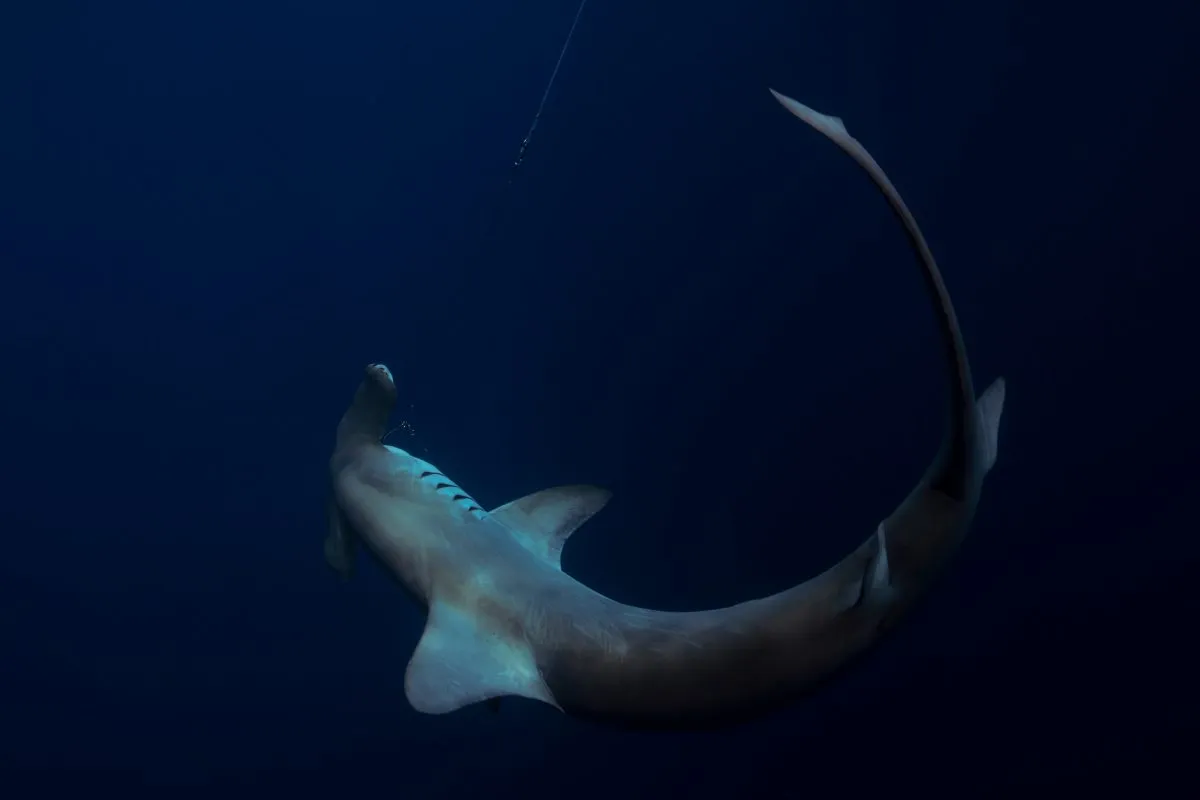
Salinas de León made that statement about the Eastern Tropical Pacific Marine Corridor. This corridor spans from the Galapagos Islands to the coast of Central America. Hammerhead sharks travel hundreds of miles along this route. Protecting the entire pathway requires international cooperation.
The Charles Darwin Foundation has decades of experience in marine research. Their work in the Galapagos provides valuable data on shark migration patterns. Panama can now apply this knowledge to its own conservation efforts. The foundation will also help train local scientists and park rangers.
Next Steps for Implementation
The Ministry of Environment will now develop specific work plans. These plans will outline timelines and measurable targets for each pillar. Officials expect the first phase of research to begin within three months. Community training programs will start in coastal fishing communities.
Panama has already taken significant steps toward shark protection. The country banned shark finning in 2017. It also established a network of marine protected areas. This new agreement builds on those existing conservation measures. The government hopes to position Panama as a regional leader in shark conservation.
Fishing communities will play a central role in the transition. Many artisanal fishers depend on shark-related income. The program will explore alternative livelihoods and sustainable fishing practices. International funding sources may support these economic transitions. The World Trade Organization agreement on fisheries subsidies provides a global framework for reform.