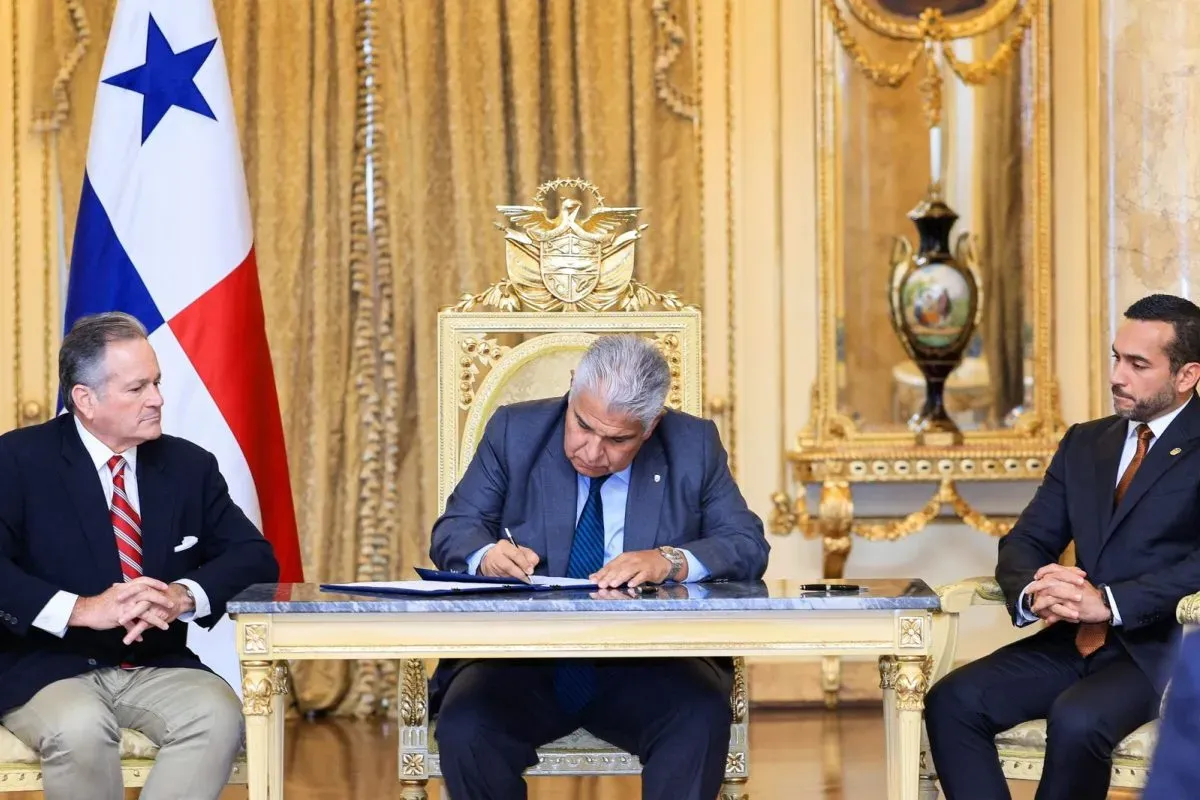
Panama President Jose Raul Mulino has signed legislation modifying the country’s tax framework for multinational entities. Law 526, dated May 28, 2026, updates the Panama Tax Code with new rules on passive foreign income. The law appeared in Official Gazette No. 30534-B on Wednesday.
The new regulations target companies that are part of multinational groups and operate from Panama. These entities must now prove they meet strict Economic Substance Requirements for passive income earned abroad. Passive income includes dividends, interest, royalties, and capital gains from foreign sources.

What Economic Substance Means Under the New Law
The legislation defines economic substance clearly. Companies must show they have real operations inside Panama. This includes having actual employees, physical assets, and management based in the country.
Firms also need to demonstrate they control risks and make decisions from Panama. Operational expenses must match the nature and complexity of the income they generate. The law applies only to passive income from foreign sources.
Lawmakers designed these rules to align with global tax transparency standards. Panama has faced pressure from international bodies to tighten its tax regulations. The new law represents a significant shift in how the country treats offshore income.
This law ensures that entities claiming tax benefits actually contribute to Panama’s economy. We are closing loopholes that allowed companies to register here without meaningful operations. [Translated from Spanish]

Key Exemptions and Scope of the New Rules
Not every company falls under the new requirements. The law specifically excludes entities operating commercial ships registered under Panama’s merchant marine legislation. This exemption protects the country’s vital shipping registry industry.
Companies that fail to meet the substance requirements face consequences. They cannot claim the tax exemption for passive foreign income even if they qualify for other exceptions. The law creates a clear compliance framework for multinational groups.
Businesses must now document their physical presence and activities in Panama. This includes proving they have adequate staff, office space, and operational control within the country. The government expects full compliance from all affected entities.

Immediate Impact on Multinational Companies
Multinational groups operating in Panama must review their structures immediately. Companies with only a mailbox or registered agent in Panama will likely need to expand their operations. The law targets arrangements where Panama serves as a tax haven without real business activity.
Tax advisors predict a rush among companies to establish genuine operations. Some firms may choose to relocate if they cannot meet the new substance requirements. The law’s passage signals Panama’s commitment to international tax cooperation.
The government published the law in the Official Gazette on May 28. Companies should consult the full text for detailed compliance deadlines. The Fiscal Code changes take effect immediately upon publication.
President Mulino signed the bill after it passed through the National Assembly. The legislation received broad support from lawmakers who saw it as necessary for Panama’s financial reputation. International observers will watch how Panama enforces these new rules in practice.