


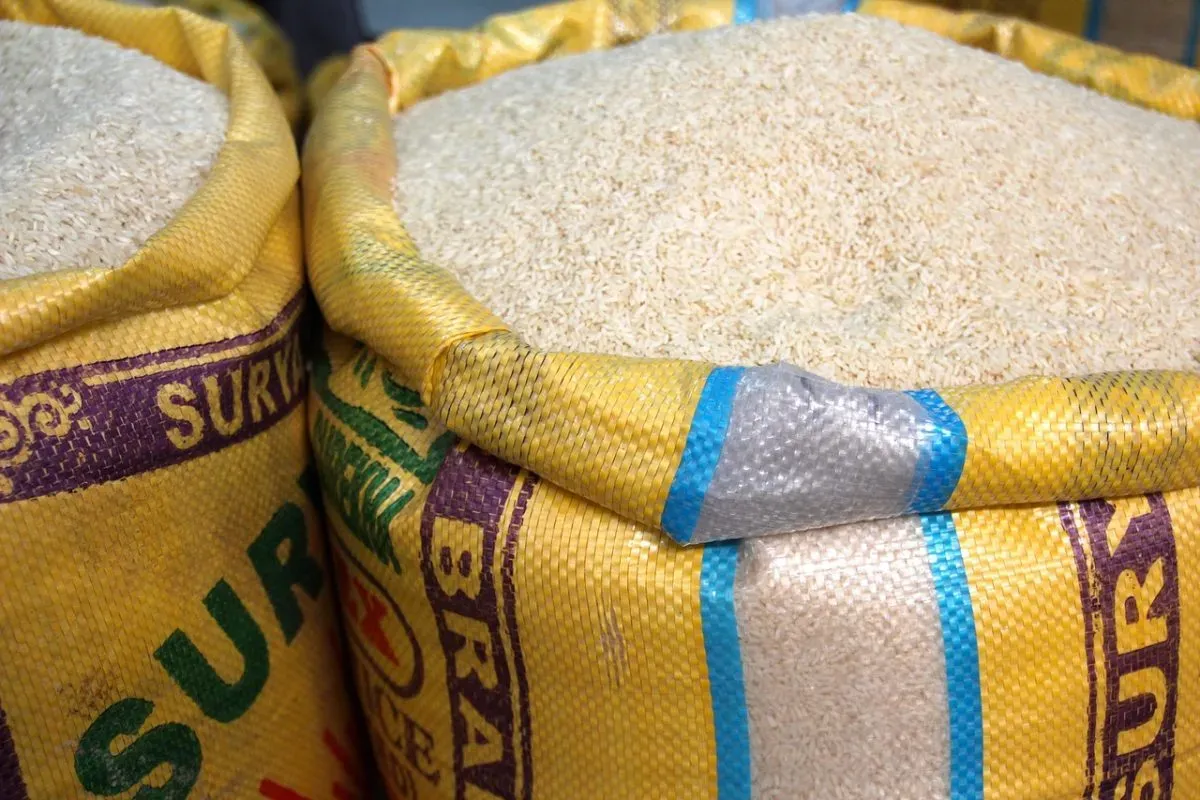
Panama’s government will import 786,000 hundredweight of paddy rice to prevent a potential shortage. The announcement came Tuesday from Agricultural Development Minister Roberto Linares. The cabinet council approved the measure to protect the country’s primary food staple.
The decision addresses concerns about the El Niño phenomenon and its impact on local farming. Current weather conditions have delayed planting and damaged crop development. Linares confirmed the rice is clean and dry, ready for distribution nationwide. [Translated from Spanish]
An additional 250,000 hundredweight is already in transit from a previously authorized shipment. This new supply joins the 5.8 million hundredweight currently held in national reserves. The minister said these combined stocks should guarantee supply well past October.
Monthly Consumption and Strategic Reserves
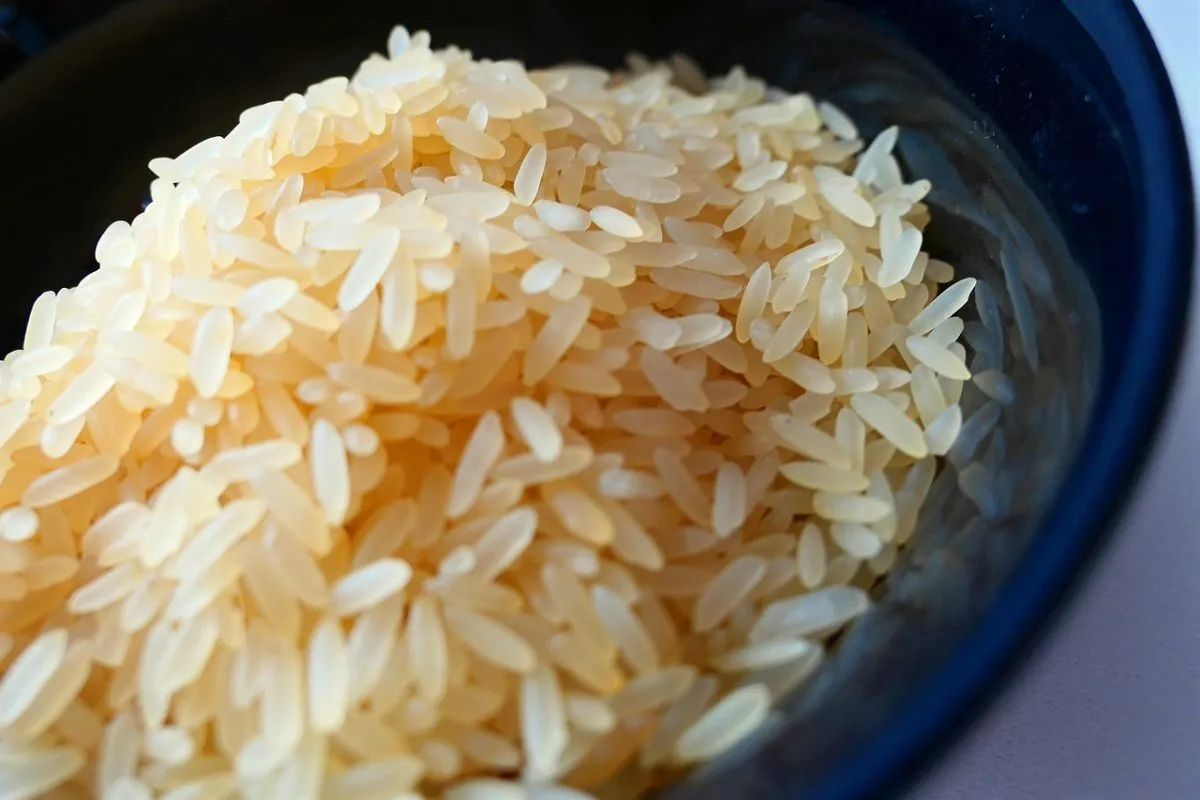
Panama consumes roughly 778,000 hundredweight of rice every month. The Panama rice consumption rate makes it the most important item in the national diet. Linares emphasized that existing reserves plus the new imports create a comfortable buffer.
Next week marks the country’s third rice inventory of the year. Officials will visit supermarkets, mills, and warehouses to assess grain availability. The data will determine if additional import authorizations become necessary for the remainder of 2026.
“We will conduct monitoring and inventory at supermarkets, mills, and warehouses to know precisely how much rice we have,” Linares said. [Translated from Spanish]
The Ministry of Agricultural Development Panama leads this effort to stabilize the food supply. Rice remains a cornerstone of family meals across the country. Any disruption would create widespread hardship.

Climate Challenges Drive Government Action
Farmers have struggled with erratic rainfall patterns linked to the ongoing climate phenomenon. Planting seasons shifted unpredictably. Some crops failed to develop properly. The government moved quickly to avoid empty shelves.
Agricultural Development efforts have focused on maintaining food security throughout this period. The cabinet’s approval came without significant debate. Officials recognized the urgency of the situation.
Linares stressed that the imported rice meets quality standards. It arrives processed and ready for consumer use. Distribution networks will move the grain to every province.
The next inventory will provide hard numbers for future planning. If reserves run low, another import order could come before year’s end. For now, the government believes the current strategy will work.
Panama’s rice farmers face ongoing uncertainty. The El Niño phenomenon may continue affecting weather patterns for months. Government intervention provides a safety net while producers adapt.
Consumers should see no immediate price changes. The imports aim to stabilize both supply and costs. Authorities will monitor market conditions closely in coming weeks.