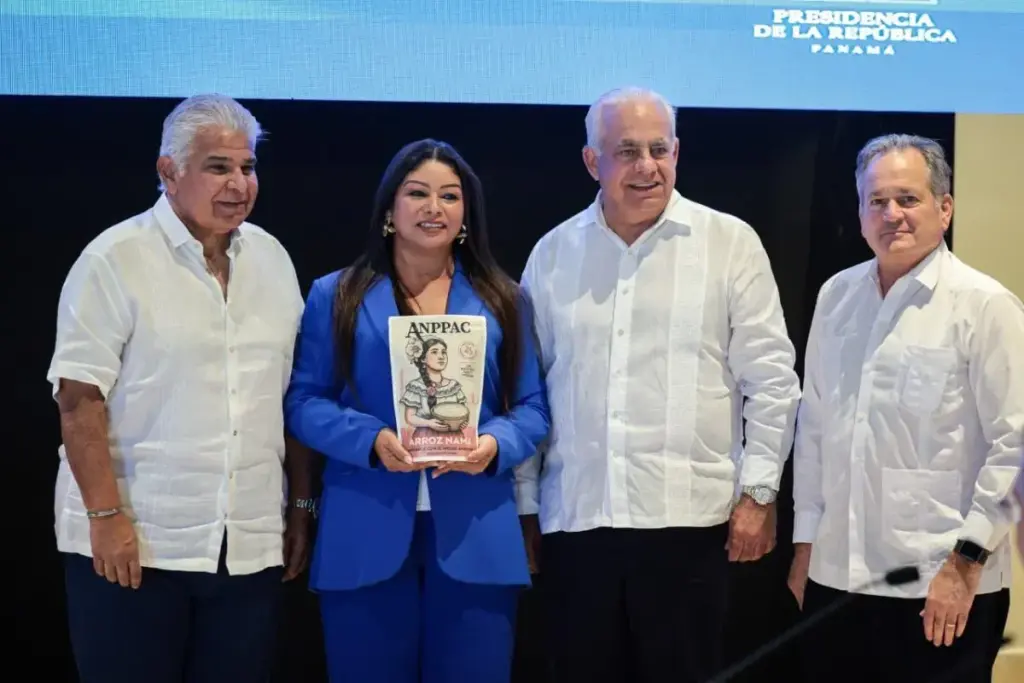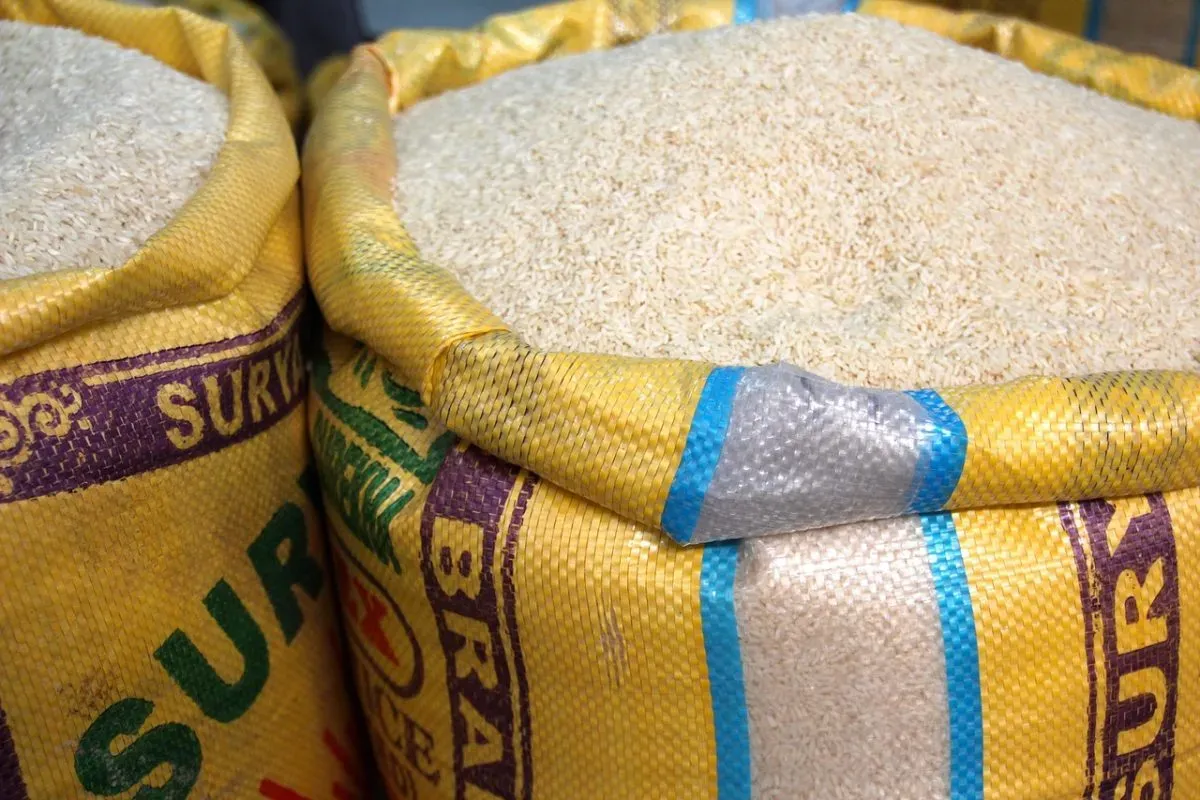
Panama’s rice farmers have a clear message for the government: stop relying on imports and start investing in water infrastructure. The call comes as the El Niño phenomenon continues to disrupt planting cycles across the country, though producers insist there is no immediate threat of shortages. Omar Spiegel, spokesperson for Panama’s rice producers, told reporters that existing inventories will keep shelves stocked through March 2027.
Spiegel explained that the El Niño phenomenon effects on agriculture have forced farmers to completely rethink their planting schedules. Many producers delayed sowing until conditions improved, particularly during the first phase of the agricultural cycle. The biggest impact has hit Chiriquí province, where Spiegel estimates a 20 percent drop in production for this initial period. In Coclé, he dismissed reports of a 50 percent loss, noting that planting there had been minimal to begin with.
“Farmers have shifted their operations to the rainy season. The real planting is only now beginning,” Spiegel said [Translated from Spanish].
The country currently holds an inventory of 6.5 million quintals from last year’s harvest. That supply, according to Spiegel, guarantees national consumption through September 30. The agro-food chain has already authorized extending that stock until the end of October. An additional import of roughly 600,000 quintals should bridge the gap until late November, when the new domestic harvest starts arriving.
“There will be absolutely no shortage until March of next year,” Spiegel stated, explaining that between January and February 2027, producers will assess the climate’s full impact before deciding whether more imports are needed [Translated from Spanish].
Decades of Neglect in Agricultural Infrastructure
The real crisis, according to producers, is not about immediate supply but long-term sustainability. Spiegel pointed out that Panama has not invested in rice irrigation systems for more than three decades. He contrasted this with countries like Uruguay, Nicaragua, and the Dominican Republic, which have strengthened their agricultural output through targeted irrigation projects.
“The state has not invested in rice irrigation for over 30 years,” Spiegel said. “We producers are willing to stay on the land, but we need that support” [Translated from Spanish].
He argued that Panama agricultural irrigation investment would lower production costs, boost competitiveness, create rural jobs, and strengthen food security. “The only thing that brings down the cost of the basic basket is efficient production from the countryside. And that has to come with state support,” he added [Translated from Spanish].
Fertilizer and fuel prices keep climbing, Spiegel noted, while climate change adds another layer of uncertainty. These factors squeeze profit margins and make farming less viable without government intervention.
Government Turns to Imports Despite Domestic Stockpiles
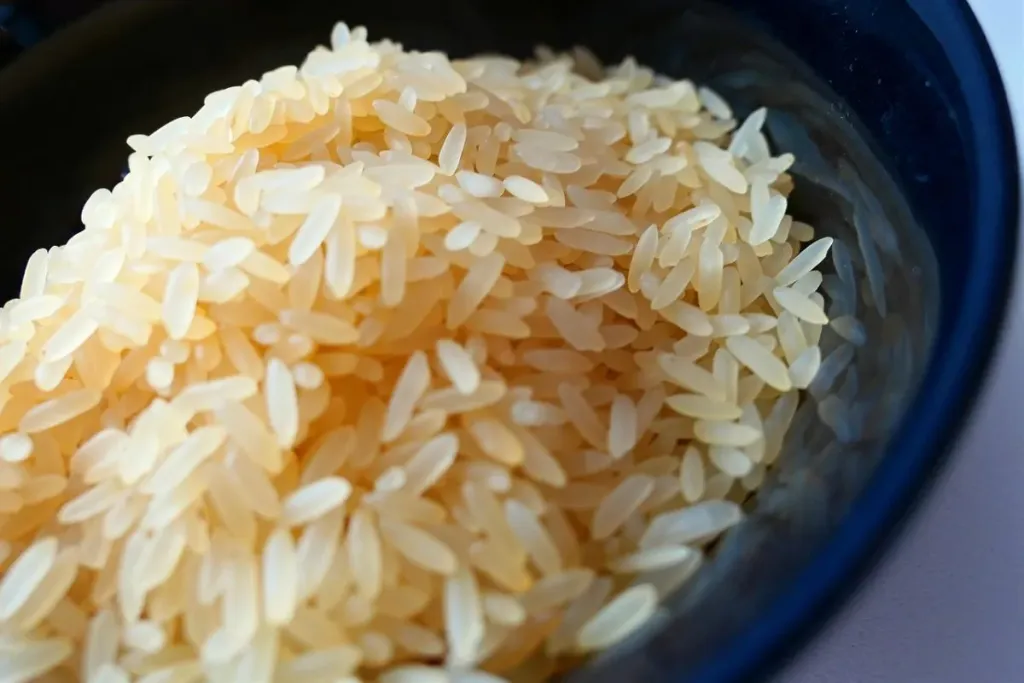
Last month, the government announced plans to import 786,000 quintals of paddy rice for nationwide distribution. Officials cited concerns about potential shortages and the lingering effects of El Niño. But producers argue this approach misses the point entirely.
“We cannot keep depending on imports. We have to supply the country with national product,” Spiegel insisted [Translated from Spanish].
The debate highlights a deeper tension in Panama’s agricultural policy. While the government moves to secure short-term supply through foreign purchases, farmers want a strategic shift toward self-sufficiency. They point out that irrigation infrastructure would protect against the very climate shocks that now trigger import decisions.
El Niño has been classified as “strong” in Panama, with Chiriquí expected to bear the brunt of the impact. The phenomenon disrupts rainfall patterns, delays planting, and reduces yields across the region. Without irrigation systems, farmers remain vulnerable to these increasingly frequent weather events.
Spiegel’s message is straightforward: Panama has the land, the farmers, and the willingness to feed itself. What it lacks is political will to invest in the basic infrastructure that would make domestic agriculture resilient. For now, the country’s rice supply looks stable. But the underlying question of whether Panama can protect its food sovereignty from climate change remains unanswered.