



In a recent tour of western Panama, National Police Director Jaime Fernández delivered news that caught many residents off guard. High-profile crime is actually falling in several key regions, including Colón, Panama City, San Miguelito, and Panama Oeste. The announcement came during a visit to Chiriqui Province, where Fernández outlined both achievements and upcoming technological investments.
The National Police of Panama has recorded measurable improvements in public safety metrics. Fernández stated that theft and robbery rates have dropped below last year’s figures. “We have seen a decline in crime indicators,” he said. “Robbery and theft have been managed below last year’s levels according to the statistics.” [Translated from Spanish]
Drones and Data Drive New Security Strategy
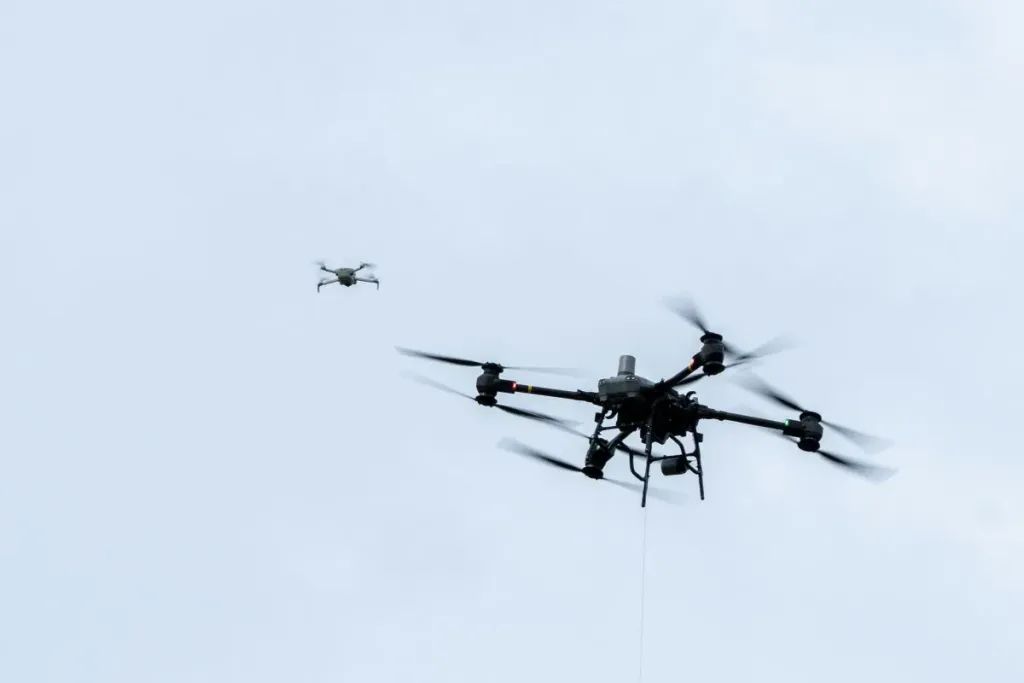
Fernández revealed that the force is preparing a major tender for drone acquisition. The plan involves deploying approximately 100 unmanned aerial vehicles across the country. These drones will be operated from a central police command hub.
“We will have around 100 drones nationwide managed from the National Police command center to provide much more operational capacity for citizens,” Fernández explained. [Translated from Spanish]
This technological push signals a shift in how Panama approaches law enforcement. Rather than relying solely on patrol vehicles and foot officers, the police are moving toward aerial surveillance and data-driven operations. The drones could help monitor crowded areas, track fleeing suspects, and respond to emergencies faster than ground units alone.
Perception Versus Reality in Crime Reduction
Despite the positive statistics, Fernández acknowledged a persistent challenge. Public perception of safety often lags behind actual crime data.
“As the National Police, we are working on perception,” he said. [Translated from Spanish]
This gap between statistics and public feeling is common in many countries. People may feel unsafe even when numbers show improvement, especially after high-profile incidents dominate news coverage.
The director thanked officers who have sacrificed personal time to maintain security. Some police units interrupted their vacation periods to reinforce patrols and improve community service. This dedication reflects the force’s commitment to building trust with residents.
Panama high-profile crime statistics have drawn international attention in recent years. The country has worked to address organized crime, drug trafficking, and violent offenses. The current data suggests those efforts may be paying off, at least in certain urban and provincial areas.
Regional Focus and Future Plans
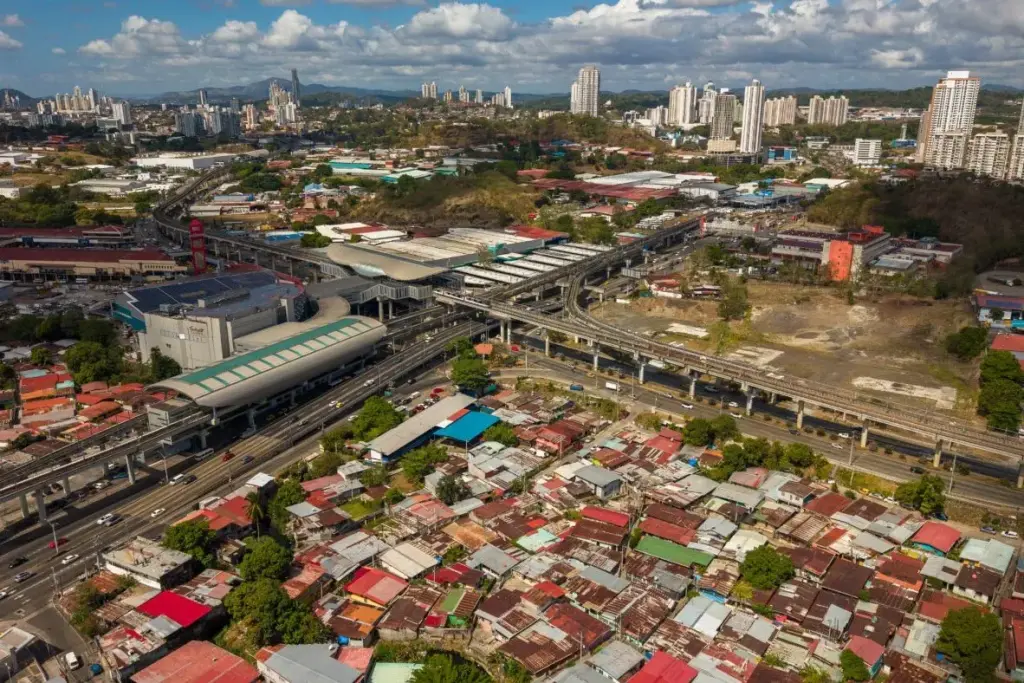
The announcement carried particular weight for San Miguelito, a densely populated district that has struggled with crime historically. Residents there have long demanded stronger police presence and faster response times. The new drone program could directly benefit such communities by providing eyes in the sky during critical incidents.
Fernández did not provide a specific timeline for the drone tender or deployment. However, the scale of the project suggests a significant investment in modern policing tools. For comparison, many Latin American police forces operate fewer than 50 drones total. Panama’s plan to field 100 units would place it among the region’s more technologically advanced law enforcement agencies.
The crime reduction data covers the last several months. Officials will need to track whether the trend holds over a longer period. Seasonal variations, economic factors, and police operations can all influence monthly statistics. Still, the downward trend in theft and robbery offers a rare bright spot in regional security discussions.