


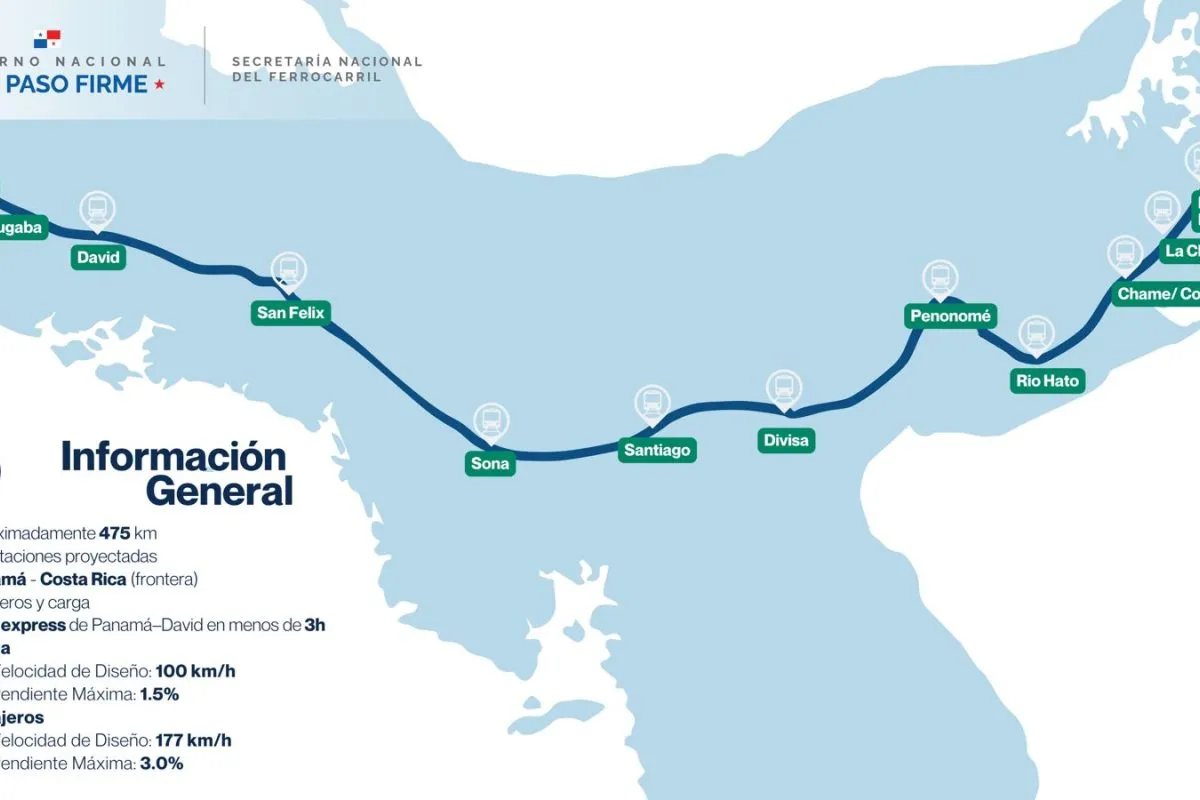
Panama’s ambitious railway project is reshaping the nation’s infrastructure landscape in unexpected ways. The planned Panama-David Train will require the complete relocation of Albrook Airport, a change that officials say will take approximately five years to complete. Henry Faarup, secretary general of the Railway Secretariat, confirmed that the train’s main station in Albrook will occupy the exact site where the airport currently operates.
The decision stems from Albrook’s strategic importance as a transportation hub. The area sits near the Balboa port, connects to Metro Lines 1 and 3, links with the existing Panama Canal Railway, and provides access to the Centennial Bridge. Moving the airport to Panama Pacifico creates room for what officials describe as a critical logistics interchange.
Henry Faarup, secretario general de la Secretaría del Ferrocarril, brindó detalles de la primera fase del proyecto, y la programación del traslado del Aeropuerto de Albrook hacia Panamá Pacífico. pic.twitter.com/FXmCdgnUnx
— Telemetro Reporta (@TReporta) July 12, 2026
Construction Timeline and Phased Approach
Faarup outlined a construction strategy that differs significantly from urban metro projects. Rather than building sequentially, contractors will work on multiple sections simultaneously.
‘Everything depends on construction ease and the financial side. It’s a project that, if we keep moving without stopping, won’t take more than 8 years. The entire railway. Because it’s built in parallel sections. It’s not like Line 1’ [Translated from Spanish]
This parallel construction method aims to accelerate completion while managing costs across different segments. The railway will stretch across diverse terrain, from coastal lowlands to mountainous regions near the Costa Rican border.

Economic Development Along the Corridor
The project extends beyond simple transportation. In the Capira district, planners envision a logistics center that will function as a free trade zone. This facility will house offices for the National Customs Authority alongside private companies. The Albrook Airport relocation to Panama Pacifico, a former U.S. military base turned special economic area, fits into broader efforts to decentralize economic activity from Panama City.
Local business groups have expressed strong interest in the Capira development. The zone could serve as a distribution point for agricultural products from Chiriqui province and manufactured goods heading to the capital. Customs presence on site would streamline cross-docking operations and reduce truck traffic on the Pan-American Highway.
Regional Connectivity Goals
The railway represents Panama’s most significant infrastructure push since the canal expansion. Officials view it as essential for moving both passengers and freight between the Pacific and Caribbean regions. Currently, most cargo travels by truck along congested highways, a system that costs the economy millions annually in delays and fuel waste.
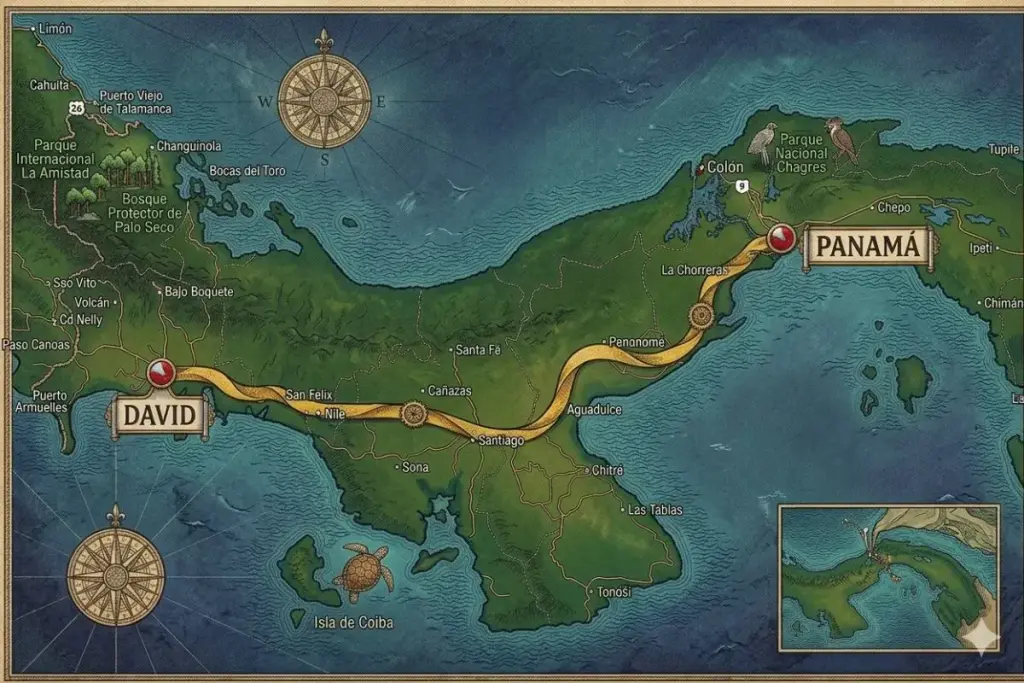
Environmental assessments have identified several protected areas along the proposed route. Engineers will need to design elevated sections or tunnels in sensitive zones. The Panama Pacifico relocation site already has modern electrical infrastructure from recent upgrades, which could reduce overall project costs.
Faarup emphasized that the project remains in its first phase, with detailed engineering studies still underway. Land acquisition talks have begun with property owners along the corridor. The government has not yet released a final budget, though preliminary estimates place the cost in the billions of dollars. International lenders, including the Inter-American Development Bank, have expressed preliminary interest in financing portions of the work.
For residents of western Panama, the train promises to cut travel times dramatically. A trip that now takes six hours by bus could shrink to under three hours. Commuters from Capira, La Chorrera, and Santiago would gain reliable access to Panama City jobs without the daily highway grind. The airport move, while disruptive in the short term, unlocks a transportation nexus that could redefine how people and goods move across the isthmus.