


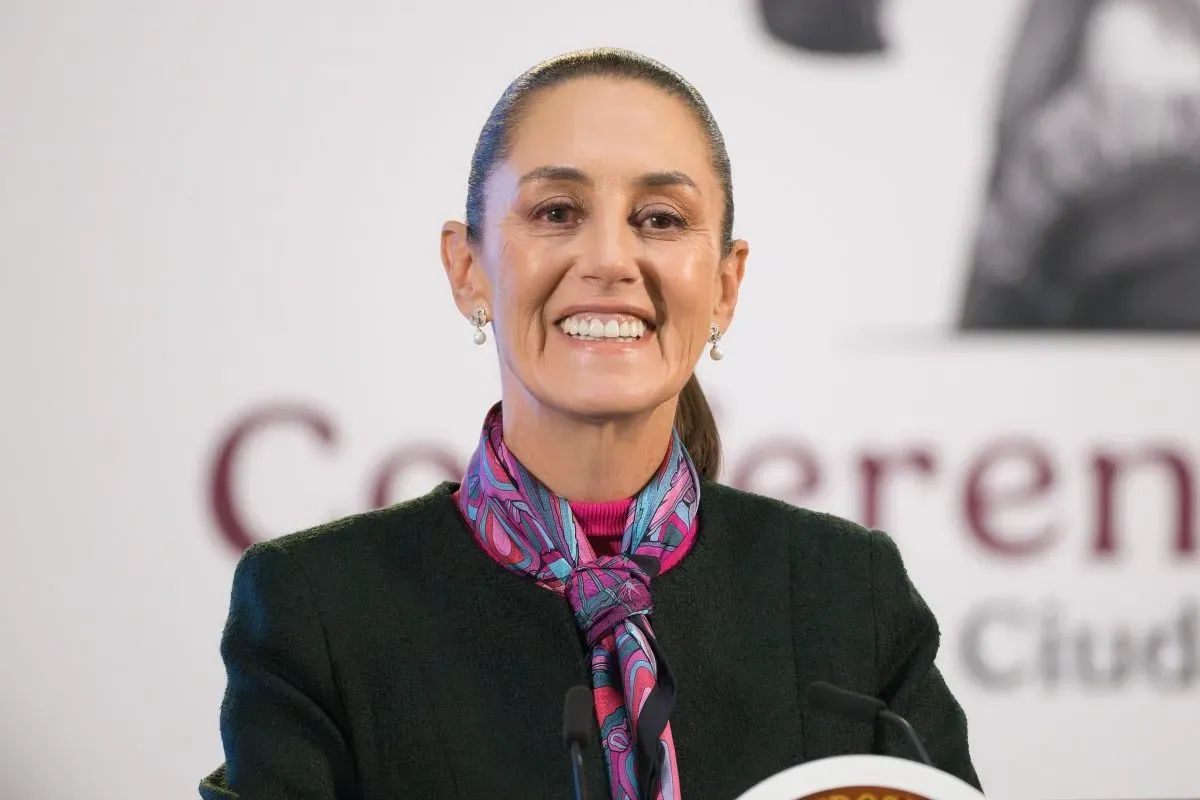
Panama’s leader is packing his bags for Mexico City. President José Raúl Mulino departs Tuesday for an official visit hosted by Mexican President Claudia Sheinbaum. The two heads of state will meet Wednesday at the National Palace. Their agenda covers trade, investment, agriculture, security, customs cooperation, and potentially a new aerospace agreement. The trip signals a deepening relationship between two economies that already share significant business ties.
📑 Table of Contents
Mulino will bring a small delegation of key officials. First Lady Maricel Cohen de Mulino accompanies him. So do Foreign Minister Javier Martínez Acha, Commerce Minister Julio Moltó, Agricultural Development Minister Roberto Linares, Canal Affairs Minister José Ramón Icaza, and Economic Competitiveness Secretary Kristelle Getzler. The group’s composition shows the broad scope of discussions planned.
New Agreements on the Table
The Wednesday meeting could produce several signed bilateral accords. One item generating particular buzz involves Panamá possibly joining a Latin American and Caribbean aerospace agreement. This would open new frontiers for cooperation in aviation and space-related industries across the region. It represents a shift beyond traditional trade talks into high-technology partnerships.
Both nations already enjoy substantial commercial exchange. But officials see room for growth. The Panama-Mexico bilateral trade relationship has strengthened over years, yet both governments believe untapped potential remains, especially in agricultural exports and logistics services.
Courting Mexican Business
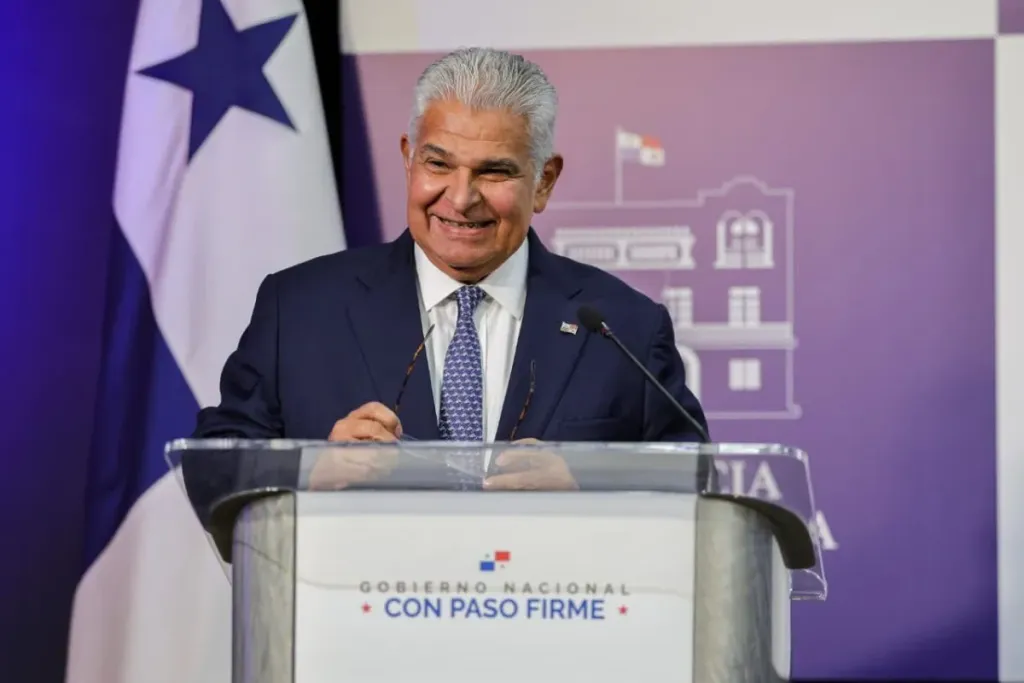
Mulino’s schedule includes a strategic meeting with representatives from 23 major Mexican companies. Some of these firms already operate in Panama and want to expand. Others are exploring entry into the Panamanian market for the first time. The president will pitch his country’s Panama logistics and services advantages, positioning the nation as a regional hub for reaching broader Latin American markets.
Panama’s canal, its international airport, its dollarized economy, and its banking sector all factor into this sales pitch. Mexican businesses in sectors like manufacturing, retail, and food processing could use Panama as a springboard to serve customers from Central America down to the Southern Cone. The Mulino administration sees foreign direct investment as crucial for job creation and economic diversification.
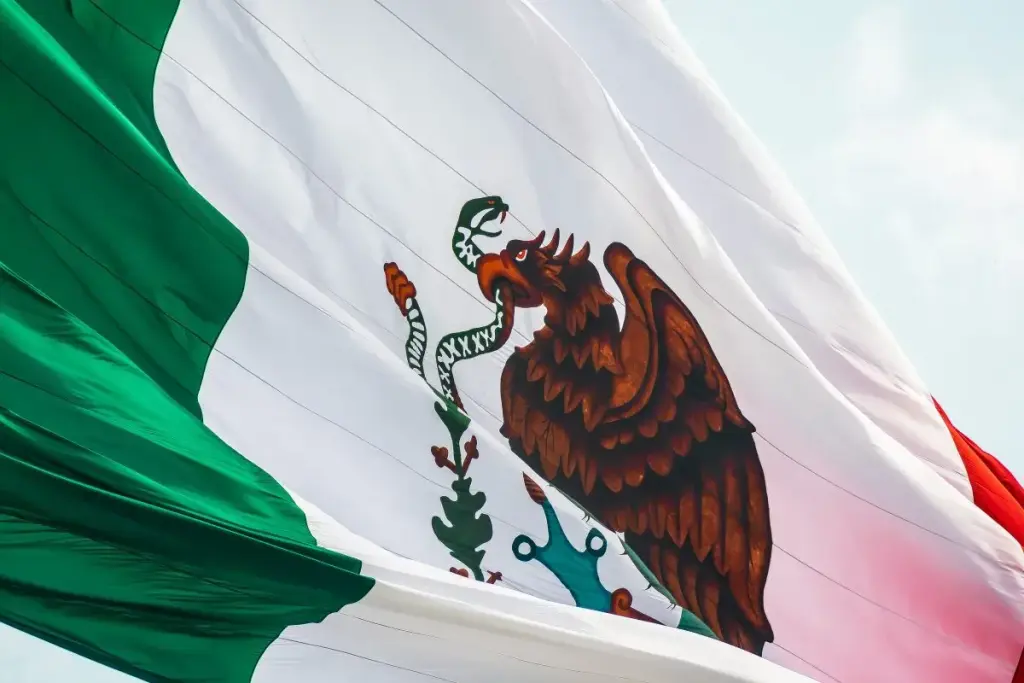
President Mulino has made economic revitalization a centerpiece of his tenure. Since taking office, he has emphasized attracting investment and streamlining government operations. This Mexico trip fits that broader strategy. It also builds on his recent domestic efforts, including inspections of agricultural projects in Bocas del Toro aimed at boosting exports.
The meeting comes at a time when both nations face shared challenges. Security cooperation ranks high on the agenda, as transnational crime networks exploit porous borders across the region. Customs modernization and information sharing between the two countries could help combat smuggling and illegal trafficking. Agricultural cooperation also matters, as both countries seek food security and improved supply chains.
The chemistry between Mulino and Sheinbaum will matter too. Personal diplomacy often unlocks bureaucratic logjams. Both leaders come from different political traditions, but they share a pragmatic approach to governance. Their ability to find common ground could shape bilateral relations for years to come. Observers will watch closely for any joint statements or press conferences following their private discussions.