


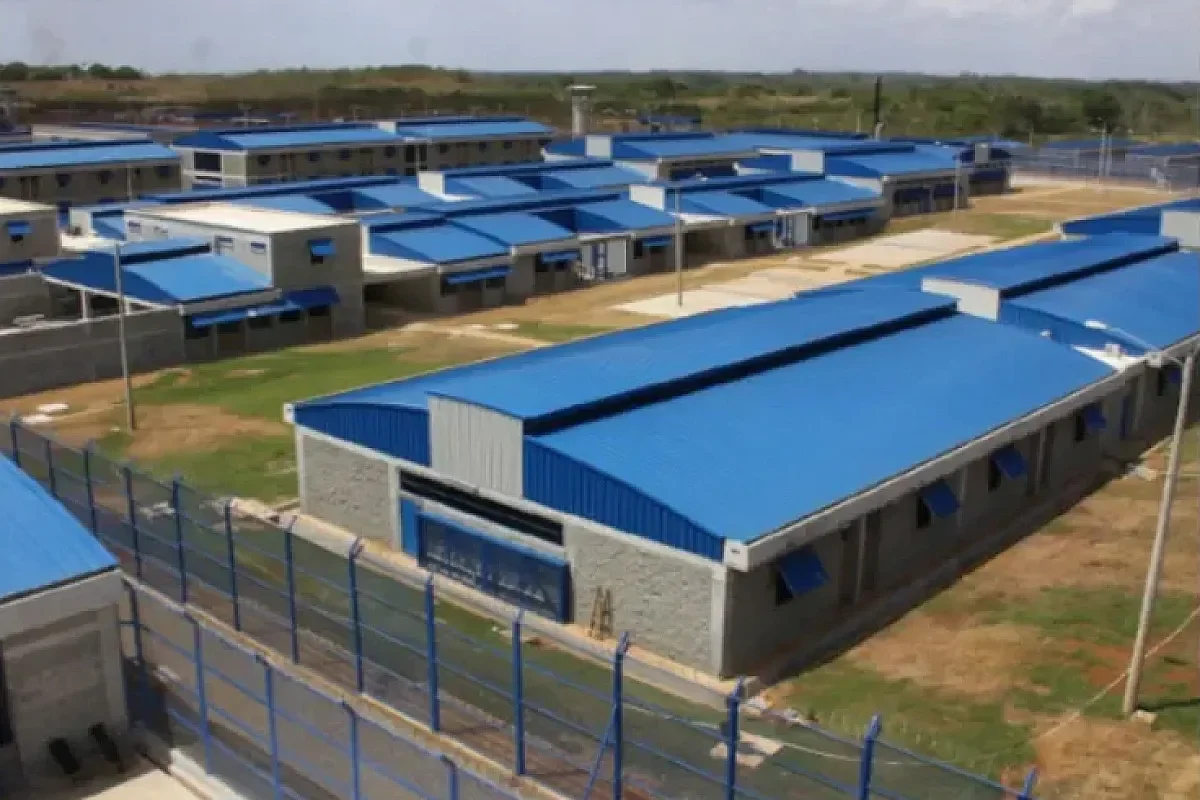
A controversial maximum-security prison project slated for the Divisa area of Santa María District is moving forward despite firm resistance from local authorities, setting the stage for a tense community debate in the coming weeks. The Government Ministry confirmed the initiative remains a state priority after a private meeting ended with municipal leaders voicing their objections. Mayor Iván de León emerged from the Friday sit-down with Minister Dinoska Montalvo carrying a clear message back to residents: the project is happening, and the government wants to sell the community on its benefits.
A State Mandate Meets Municipal Resistance
Santa María’s mayor didn’t mince words about where his administration stands. Speaking with TVN Noticias, de León confirmed the municipality expressed outright opposition to the penitentiary during the high-level meeting. The exchange laid bare the friction between centralized decision-making in Panama City and the concerns of smaller districts that often feel big infrastructure projects get imposed rather than proposed.
Minister Montalvo held her ground. She framed the prison as a project of national importance, not a local negotiation. The detention center would consolidate inmates from four provinces, Herrera, Los Santos, Veraguas, and Coclé, into a single maximum-security facility. That regional scope, the government argues, elevates the decision beyond municipal politics. De León acknowledged the minister’s position but made no promises about softening local opposition.
The timing carries political weight. Santa María, a district of roughly 8,000 residents in the heart of Panama’s agricultural belt, has rarely found itself at the center of national security infrastructure debates. The government’s willingness to proceed without municipal buy-in signals confidence that public safety arguments will ultimately outweigh local resistance. Whether that calculus holds remains an open question as the August 13 community presentation approaches.
The Watershed Controversy and Environmental Safeguards
Environmental worries dominated much of the conversation between municipal officials and the Government Ministry. The proposed site sits within the Santa María River watershed, a critical water source for the region’s farming communities and ecosystems. Local leaders pressed hard on this point, arguing that a large detention facility could threaten water quality and disrupt the delicate hydrological balance that sustains agricultural production across the district.
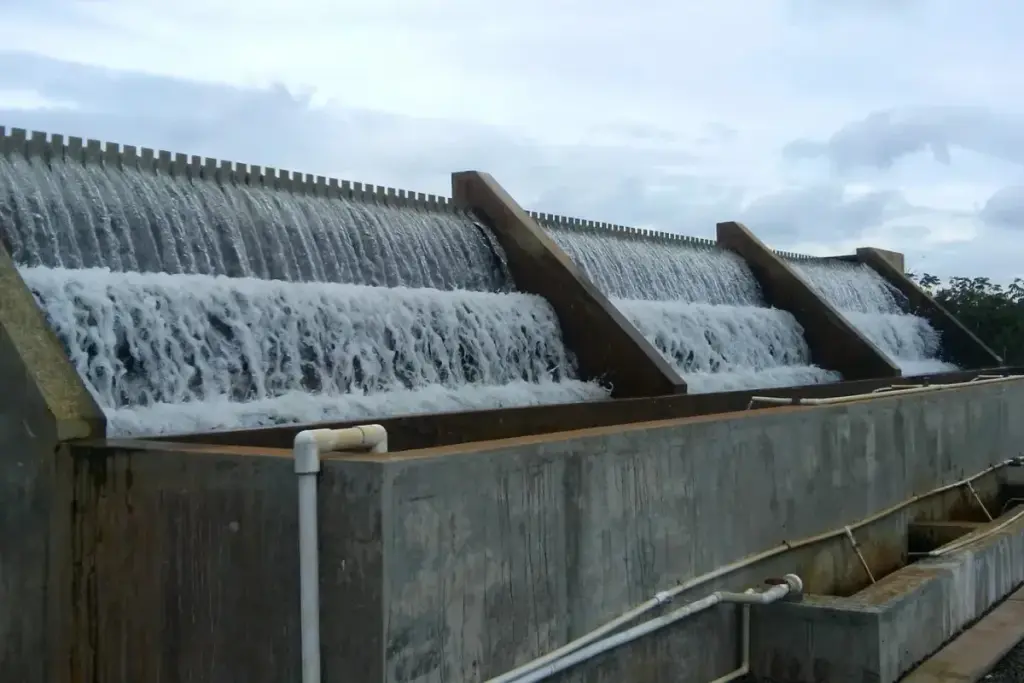
Montalvo pushed back with specific assurances. The infrastructure, she told the mayor, will be constructed outside designated flood zones and positioned at a safe distance from schools and educational centers. The minister characterized potential community impact as minimal, a characterization that likely won’t satisfy skeptics who’ve watched other infrastructure promises erode over time. Watershed protection in Panama has become an increasingly charged political issue, particularly in provinces like Herrera where water scarcity periodically threatens farming operations.
Panama’s history with large detention facilities offers limited comfort to wary residents. The country’s prison system has faced persistent overcrowding and infrastructure challenges, with the La Joya and La Joyita complexes near Panama City frequently making headlines for inmate unrest and deteriorating conditions. A rural maximum-security prison represents a significant departure from the centralized model that has dominated Panama’s corrections strategy for decades.
A Promise for Public Dialogue After August 13
Behind closed doors at the Government Ministry, municipal representatives extracted one concrete concession. The project won’t advance without the community getting a proper hearing. De León specifically requested that the government’s explanatory efforts extend beyond meetings with elected officials and into direct engagement with district residents. Montalvo accepted the terms.
She committed to returning to Santa María after August 13, the date set for the project’s formal presentation to the community. Those subsequent meetings will attempt to detail the scope of construction and lay out what the National Government characterizes as benefits for the district. The sequencing matters. Government officials will control the initial narrative through the formal presentation before facing residents in more interactive settings where questions tend to get sharper and less predictable.
For Santa María residents, the August timeline provides a brief window to organize and prepare. Community groups, environmental advocates, and concerned farmers now have weeks to study potential impacts, consult experts, and formulate the arguments they’ll bring to the sessions. The government’s willingness to engage directly suggests awareness that resistance could escalate beyond manageable levels if residents feel excluded from the decision-making process.
Regional Justice Infrastructure Overhaul
The Santa María project fits into a broader rethinking of Panama’s corrections infrastructure that has been quietly advancing under the current administration. Centralizing inmates from four provinces into a single modern facility addresses chronic overcrowding at smaller, aging lockups scattered across the Azuero Peninsula and central provinces. Those facilities, many built decades ago for much smaller inmate populations, have strained under years of rising incarceration rates.
The four-province catchment area, Herrera, Los Santos, Veraguas, and Coclé, represents a significant geographic footprint. Inmates transferred to the new facility would be housed hours from their families and legal representation, a reality that has historically complicated rehabilitation efforts. The government appears to be betting that modern infrastructure and security standards will offset the logistical challenges faced by families traveling greater distances for visitation.
Economic arguments may ultimately carry the most weight in Santa María. The government has hinted at benefits accompanying the project, potentially including infrastructure improvements, job creation during construction, and ongoing employment opportunities once the facility becomes operational. In a district where agricultural employment dominates, even modest diversification of the local economy could shift perceptions among residents weighing environmental concerns against tangible economic gains.
Local authorities remain unconvinced but can’t stop a project the central government has designated a state priority. The upcoming weeks will test whether Montalvo’s ministry can bridge the gap between national security objectives and the legitimate anxieties of a small community that didn’t ask for a maximum-security prison in its backyard.
El alcalde del distrito de Santa María, en Herrera, Iván De León, informó que durante una conversación con la ministra de Gobierno, @DinoskaDinoska, compartió el rechazo que mantiene la población sobre el proyecto de construcción de un centro penitenciario en el área. pic.twitter.com/6PLfJ8L6Uz
— Telemetro Reporta (@TReporta) July 27, 2026