


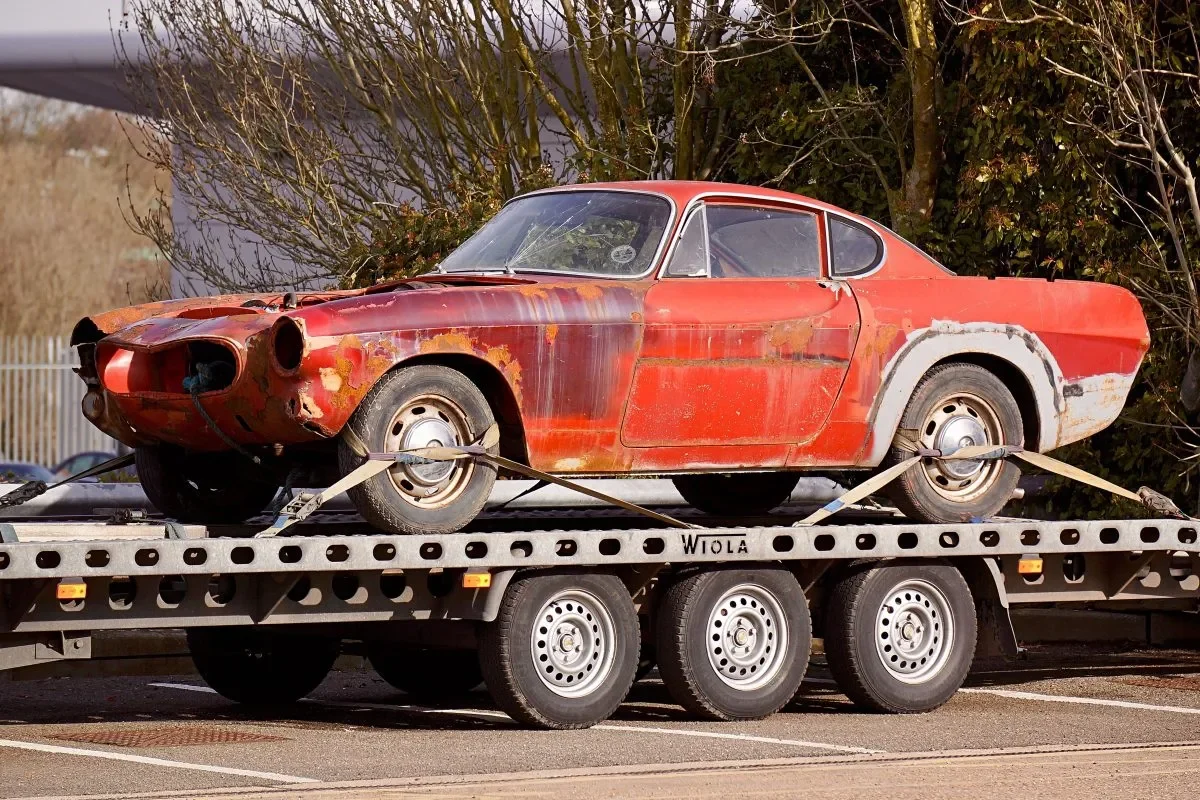
“Where am I supposed to put my car?” The question, shouted by a longtime homeowner during a heated street confrontation, captures the tension that has erupted as San Miguelito car removals ramp up under a new municipal order. Across the district, stickers plastered on windshields warn that vehicles sitting on sidewalks or public right-of-ways face immediate towing and possible scrapping, fueling outrage in neighborhoods where driveways are a luxury and on-street parking is already a cutthroat game of inches.
San Miguelito Car Removals Under Decree 005-2026
The enforcement push rests on Decree 005-2026, signed on April 13, which gives the municipality an exceptional procedure to remove vehicles deemed abandoned, junked, or blocking sidewalks without drawn-out legal delays. Officials call it a matter of urgency and public interest. Residents who find a bright adhesive notice on their windshield have 30 calendar days to move the car themselves. If they don’t, a tow truck does it for them, and the meter starts running on fines that range from $150 to $350, plus towing and storage fees.
Municipal crews have been fanning out through the district’s tightly packed barrios, tagging everything from rusted shells to functioning sedans whose only sin is parking where pedestrians should walk. The decree makes no distinction based on a vehicle’s mechanical condition, focusing strictly on whether it obstructs foot traffic. That legal clarity is exactly what’s driving the pushback.
Sidewalk Parking Drama Leaves Residents Feeling Trapped
The stickers’ blunt language about scrapping sent tempers flaring, particularly among families whose homes sit flush against narrow roads with zero off-street parking. One resident, confronted while standing next to a sedan he said he’s driven for years, didn’t mince words.
“Build me a parking lot” [Translated from Spanish]
he demanded, after learning his vehicle could be hauled away simply for resting on the acera. He insisted the car was in perfect mechanical order and that he couldn’t magically conjure a garage where none had ever existed.
That frustration ripples through communities where two or three cars per household are common and the nearest legal parking spot might be blocks away. Workers who come home late often find every curb taken, leaving sidewalks as a last resort. Municipal staff acknowledged during neighborhood walkthroughs that many of the tagged cars aren’t junk at all, but admitted the core problem is the blocked pedestrian path, not the engine under the hood.

Over 400 Vehicles Removed as Safety Justifications Mount
The numbers behind the San Miguelito car removals add weight to the municipality’s argument. More than 400 vehicles have been taken off the streets so far this year, with over 50 of those pulled away by tow trucks in the last two months alone. Many cases trace back to complaints lodged by neighbors through the SAMU digital platform, the town hall says, underscoring that some residents are just as fed up with sidewalk blockages as the ticketing officers are.
Walking through several areas makes the safety risk obvious. Cars straddling curbs force pedestrians, including parents with strollers and elderly residents, into active traffic lanes simply to reach a bus stop or corner store. Town officials frame the campaign as a direct response to that danger. When sidewalks disappear under metal and rubber, they argue, the community pays in twisted ankles, close calls, and a constant low-grade hostility between drivers and everyone else.
Calls for Parking Solutions Grow Alongside Enforcement
While the fines and tow trucks press forward, the larger question keeps simmering. Where do residents put their cars when there literally isn’t enough room? The municipality’s answer, so far, has been silence on the supply side of the equation. There are no new public lots breaking ground, no talks of leasing vacant plots for resident parking, and no immediate plans to ease the squeeze that pushed cars onto sidewalks in the first place.
Residents aren’t asking for the decree to be scrapped entirely. Many agree that rusting carcasses should go and that wheelchairs and strollers deserve clear paths. But they want the authorities to acknowledge the geography of the district, where sheer density and aging street layouts create a daily parking puzzle that a sticker alone can’t solve. Until that conversation starts producing concrete alternatives, the conflict between a clear sidewalk and a family’s second-hand Toyota will keep replaying on every block.
Ultimately, the San Miguelito car removals campaign walks a narrow ledge between necessary order and the messy realities of working-class neighborhoods. Removing 400 derelict and obstructive vehicles is the easy part; designing streets where people can both park legally and walk safely is the harder, more expensive test that hasn’t yet been taken up.