


A blunt warning from one of Panama’s most prominent pediatric infectious disease specialists has pushed infant immunization changes into a tense regional spotlight. Dr. Xavier Sáez-Llorens of Hospital del Niño says the new direction from Washington puts children at risk and reflects ideology rather than evidence. Panama’s Ministry of Health, known locally as Minsa, has answered with a clear message that the national vaccination schedule will not change because of decisions made in the United States.
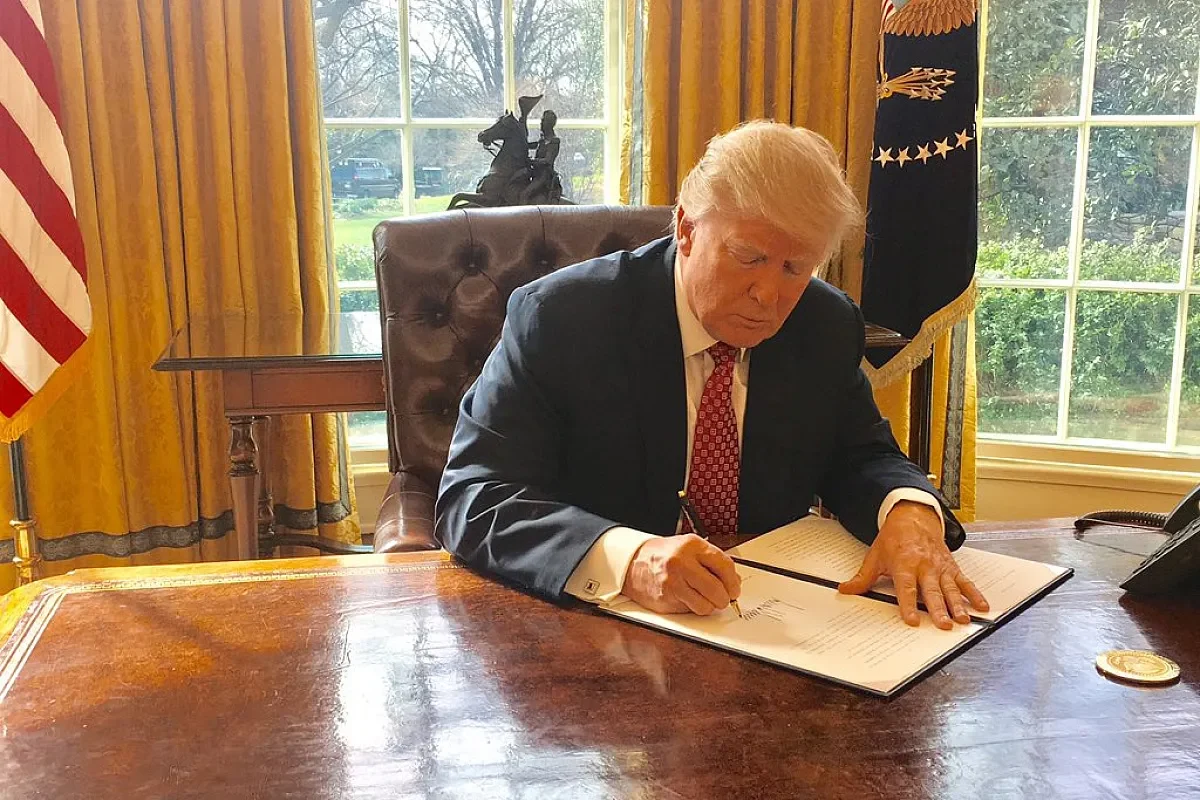
The move in question came on August 10, when President Donald Trump’s administration signed an executive order reducing the list of recommended childhood vaccines from 18 to 11. The order also proposed separating the combined MMR vaccine, which protects against measles, rubella, and mumps, into individual shots. Officials described the change as an effort to create a baseline level of protection and bring US recommendations closer to those of other developed countries. But pediatric infectious disease researchers argue that no fresh evidence supports the idea that spacing out shots is safer or more effective.
Panama’s Vaccine Schedule Holds Steady
Minsa runs the Expanded Program on Immunization, known as PAI, and it manages roughly 20 vaccines that protect against specific diseases. The program also includes vaccines for outbreak response and immunoglobulins. Over the years, Panama has added combined vaccines and newer immunizations as public health needs shifted. A vaccine can be removed from the schedule only when the disease it prevents has been controlled or eliminated, and officials said those decisions must rest on scientific evidence and the country’s epidemiological picture.
Back in March, when Washington first signaled possible changes to vaccine requirements, the chief of the PAI, Itzel de Hewitt, made Panama’s position explicit.
“We are not going to change our schedule because each country is sovereign in its public health actions” [Translated from Spanish]
That stance remains in place today. The Ministry of Health has repeatedly said that the national immunization plan responds to Panama’s own health needs, not to political shifts abroad.
Panama’s schedule has evolved gradually and deliberately. Combined vaccines have been introduced where they simplify protection and improve coverage. Immunizations have been added when diseases pose a growing threat, and they have been withdrawn only after rigorous evaluation. This approach, health officials argue, protects children from vaccine-preventable illnesses without exposing them to unnecessary gaps in immunity.

Scientific Debate Over Infant Immunization Changes Deepens
Sáez-Llorens, a pediatric infectologist and researcher, did not hide his frustration.
“It is a disastrous decision for child health, based more on ideology than science” [Translated from Spanish]
He argued that large epidemiological studies have already refuted the hypothesis that giving several vaccines at once contributes to autism. Separating the MMR vaccine or scheduling different shots on different visits, he said, has not been shown to reduce any risk of autism.
The broader scientific community has pushed back as well. Medical organizations point out that the recommended changes are not grounded in new data demonstrating any benefit to spacing immunizations. The Trump administration has defended the action by saying it will offer a baseline protection and put the United States in line with other developed countries. But state governments, not the federal government, maintain authority over school immunization requirements and vaccination policy in many areas. That means the executive order does not automatically force every state to adopt the trimmed schedule.
At the center of the infant immunization changes is a clash between individual risk perception and population-level protections. Panama