



At 41 years old and unemployed, Edmar Camacho saw an Instagram offer of $3,500 a month as a way out. He now calls the whole experience a Ukraine salary scam that nearly cost him his freedom. The job was supposed to involve cleaning areas where Russian troops had been, with a guarantee that he would not be sent to the front. But weeks later, with his passport confiscated and his phone taken away, Camacho was running through the dark near Kharkiv.
A $3,500 Offer and a Cross-Border Journey
Camacho traveled on June 27 after being contacted through Instagram while he was out of work. The 41-year-old, whose background includes maritime jobs, said he knew where he was going. Still, the conditions he was promised were far different from what he encountered after arriving. He flew first to Istanbul, then traveled on to Poland, before crossing the border into Ukraine with a group of eight or nine people from different countries.
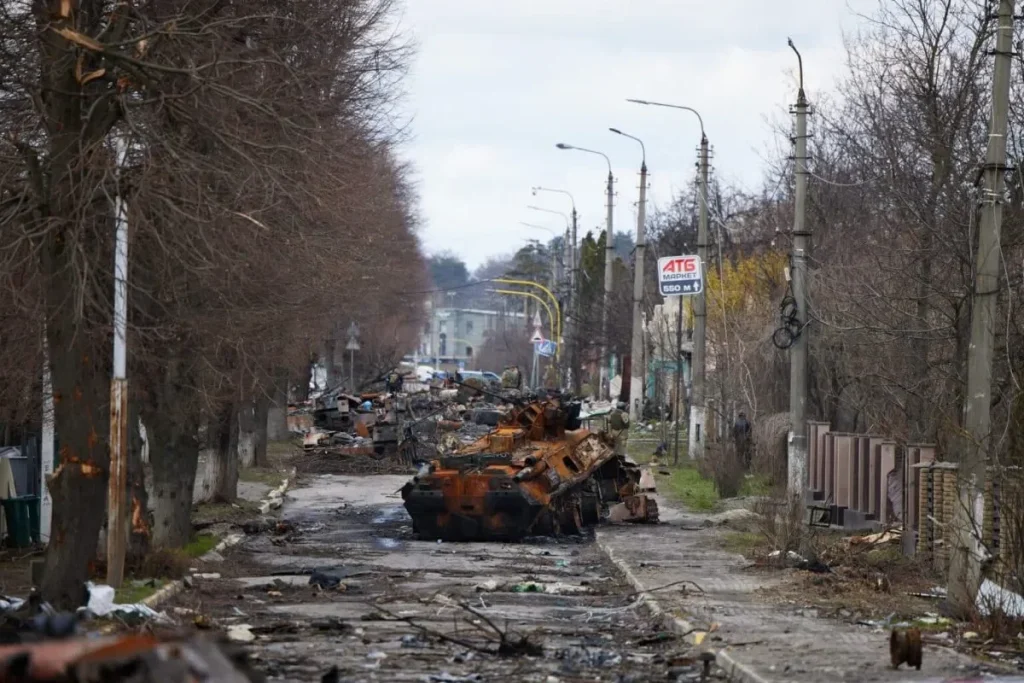
Once there, he signed a document written in Ukrainian and Spanish. The first serious warning sign came quickly, because when the group wanted to read the contract more carefully and translate parts of it, they were not allowed. The people handling them kept their passports and mobile phones. Camacho described the pressure directly.
“When we tried to transcribe the contract from Ukrainian to Spanish, we were not allowed to, because they kept our passport and mobile phone.” [Translated from Spanish]
Training Shortened as the Ukraine Salary Scam Unraveled
Originally, the recruits were told they would receive about a month of preparation. That window shrank to just eight days before they would be sent to the front. Camacho said he asked to leave, but his travel document was not returned. That is when he began planning an escape with another Panamanian.
He believes the circumstances should be investigated as a possible situation of human trafficking, because the control of documents and movement left him with few options.
“Over there, directly yes, because they take your passport. I came back without a passport.” [Translated from Spanish]
Night Escape Near Kharkiv and Consular Help
Camacho and the other Panamanian escaped at night with a 57-year-old Argentine man. They left their suitcases behind because the bags were too heavy to carry while hiding. The group had to walk nearly 12 to 15 kilometers, moving through vegetation whenever they spotted vehicle lights, because of the curfew in Kharkiv.
“We had to walk almost 12, 15 kilometers.” [Translated from Spanish]
He managed to cross the border without his passport, assisted by Panama’s consular team in Poland. Camacho singled out an official named Aldo for helping him get to safety.
“The one who helped me was the Foreign Ministry of Panama in Poland, Mr. Aldo. That’s why I was able to cross the border.” [Translated from Spanish]
Panama’s Response and the Ukraine Salary Scam Investigation
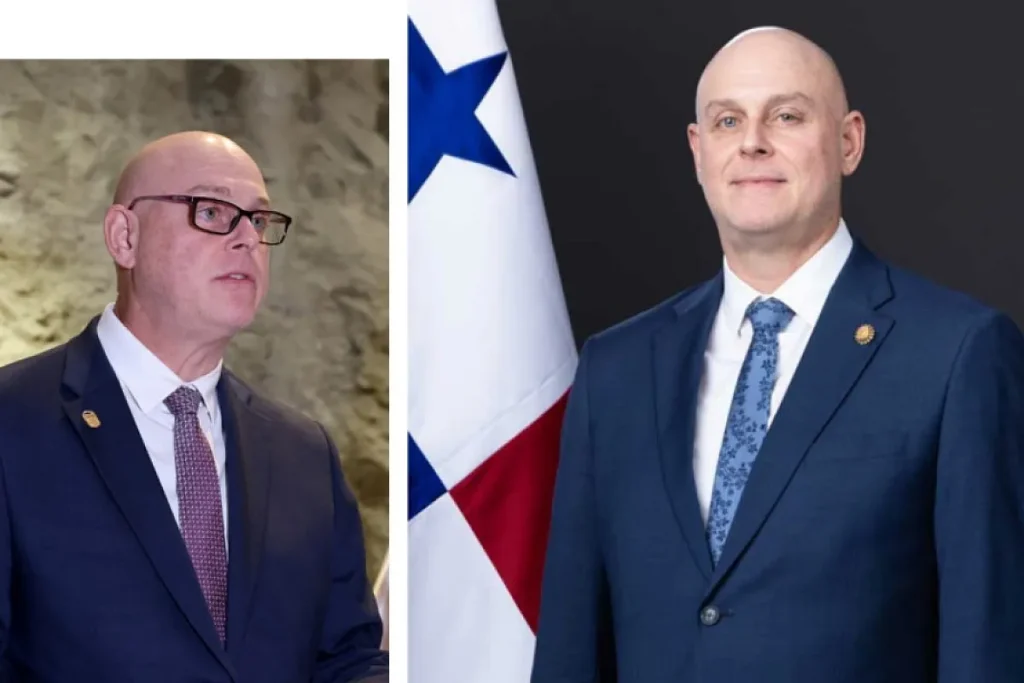
Panama’s Foreign Ministry had previously announced that Camacho and another citizen, Efraín Calvo, had left Ukrainian territory and moved to Poland as part of a consular assistance operation. Yet Camacho said about seven other Panamanians remained in a so-called safe house. They came from San Miguelito, Arraiján, and Chiriquí. Panama’s Public Ministry has been investigating recruiters who enlist Panamanians to fight in Russia and Ukraine.
Camacho spent roughly one month and 20 days in Ukraine. He admitted he did not fully tell his mother about his travel plans and acknowledged that accepting the offer was a mistake.
“It was a bad decision at the moment, because I felt cornered, in the sense that I don’t have work.” [Translated from Spanish]
His account adds to growing concern across Latin America about deceptive recruitment operations that target economically vulnerable people through social media. Camacho’s path from an Instagram message to a night escape without documents shows how quickly promises of high pay can turn dangerous. He hopes his case pushes authorities to look more deeply into how these schemes operate and who is behind them.