


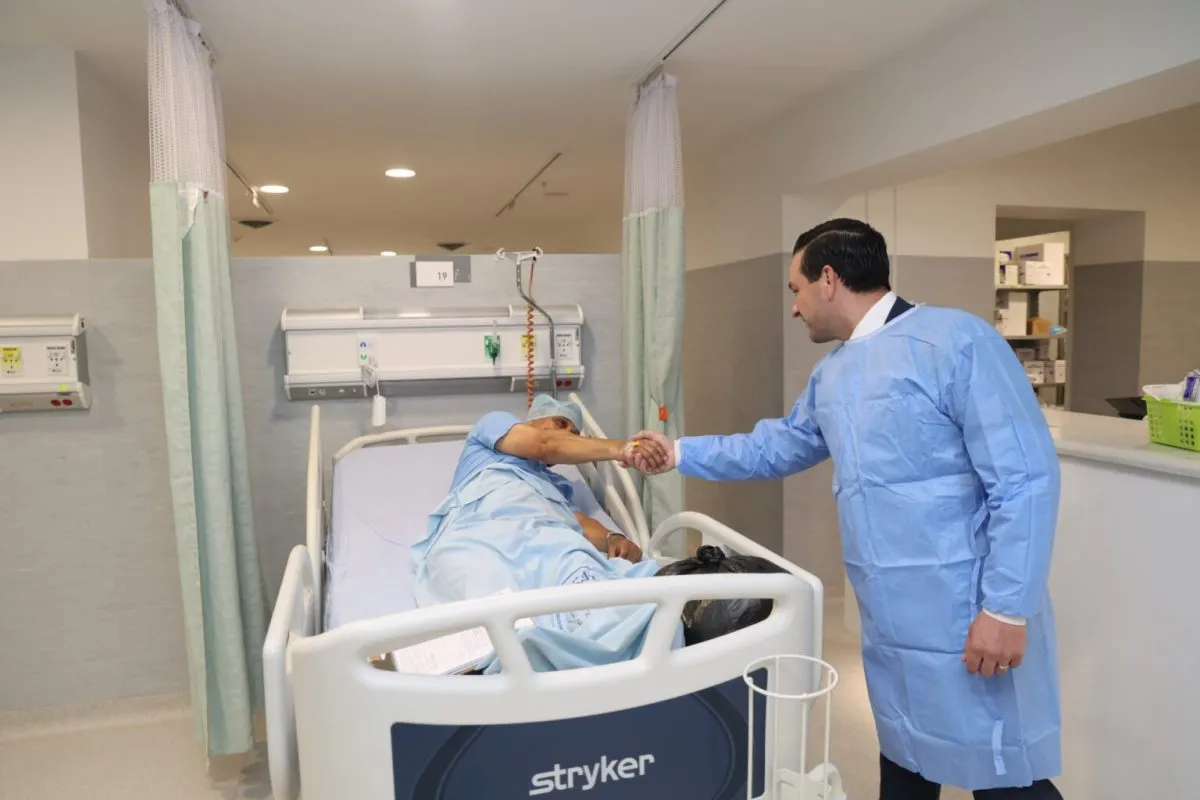
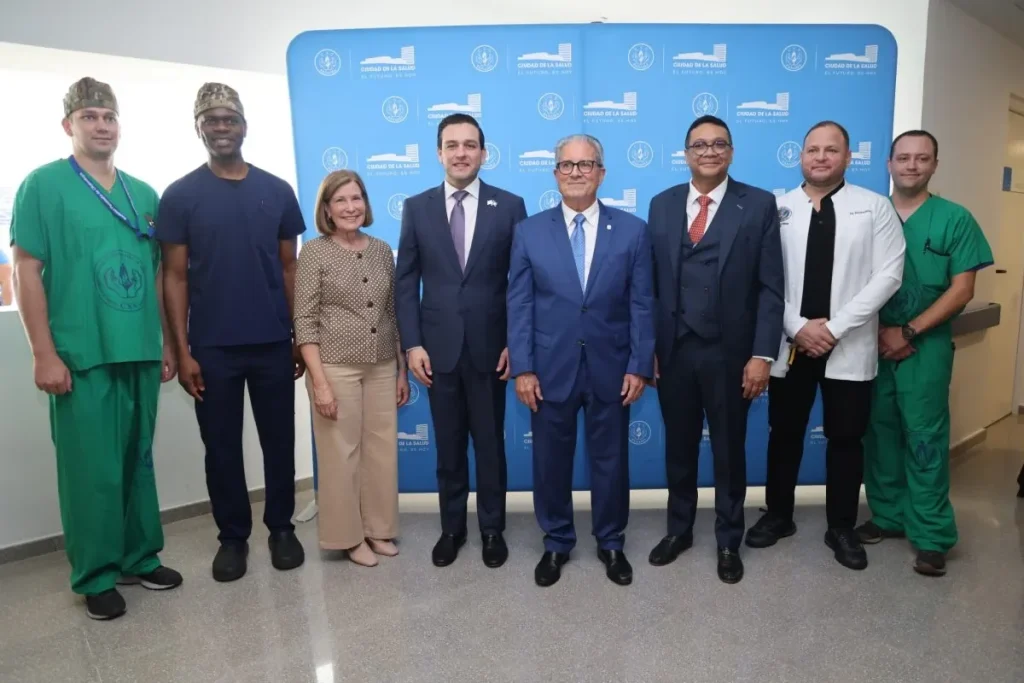
A US Panama health partnership has delivered specialized eye surgeries to approximately 80 Panamanians at Ciudad de la Salud, restoring vision through corneal transplants, cataract removals and glaucoma valve implants. Ambassador Kevin Marino Cabrera visited the U.S. Southern Command (SOUTHCOM) complex eye surgery mission on August 21, joined by Minister of Health Fernando Boyd Galindo, Social Security Fund Director Dino Mon and Dr. Ivonne Martinelli from the Office of the First Lady. The mission runs from August 6 to 24 as part of PANAMAX 2026, according to the U.S. Embassy. For many patients, the procedures mark the first time in years they can see clearly enough to return to work or help care for family members.
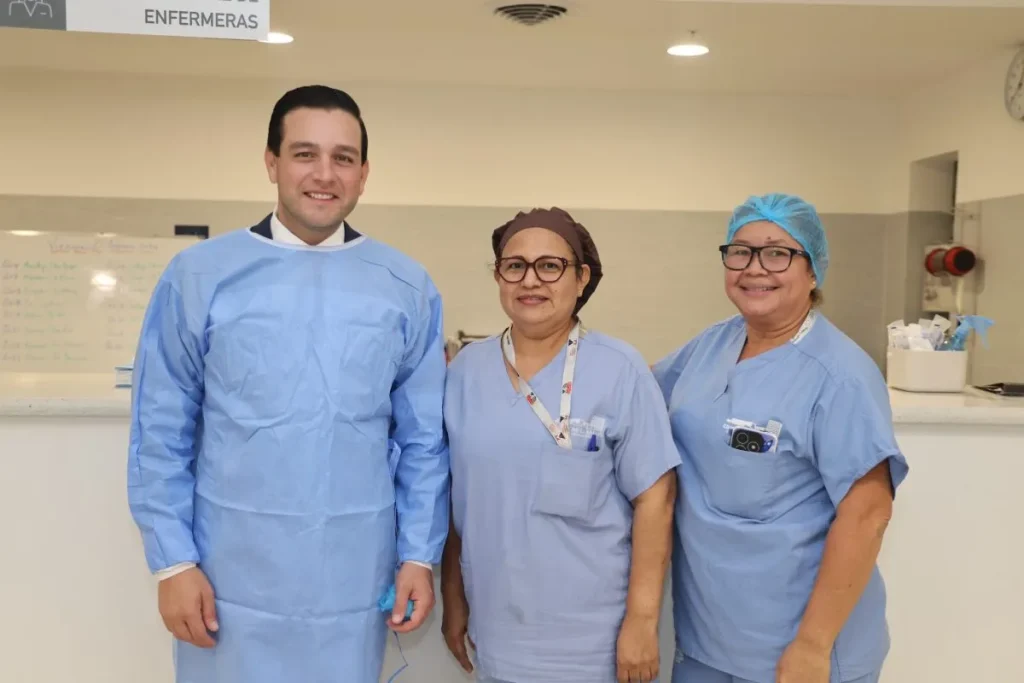
US Panama Health Teams Provide Specialized Eye Care
Twelve U.S. medical professionals are leading the surgical campaign at the Ciudad de la Salud hospital complex. Patients came from across Panama after a national selection process, officials said. The surgical list includes some of the most complex vision conditions treated in the country. Corneal transplants require precise donor tissue matching, while glaucoma valve implants help control eye pressure when standard treatments fail. Cataract removals, though more common, remain life-changing for older adults who lose independence when their sight declines.
The effort operates under Juntos por la Salud, a program that has already reached more than 18,000 patients this year. SOUTHCOM teams have completed over 3,400 procedures and logged 12,000 hours of care nationwide. That scale of activity reflects a shift toward direct medical support without intermediary organizations, according to Ambassador Cabrera. Medical personnel worked alongside Panamanian doctors and nurses to coordinate pre-operative assessments and post-surgical follow-up.
During the visit, medical teams and patients met with the delegation. The ambassador wore a medical gown while surveying the operating areas and speaking with people recovering from surgery. The mission involves coordination with Panama’s Ministry of Health and the Social Security Fund, both of which helped identify candidates and manage logistics at Ciudad de la Salud.
Ambulance Delivery and Rural Infrastructure Investments
Beyond the surgical mission, Ambassador Cabrera announced the upcoming delivery of five ambulances valued at more than $800,000. The vehicles will bolster emergency response capacity in communities where transport to specialized care remains a challenge. Rural patients often wait hours for an ambulance, and the new units aim to cut those response times significantly.
Two infrastructure projects in the Ngäbe-Buglé region also got the green light. A new health center in Coclesito carries a price tag of $2.8 million, and a new school in Hato Rincon is valued at $3.1 million. Combined, those rural investments total $6 million. The projects aim to improve access to both healthcare and education in one of Panama’s most underserved areas. Ngäbe-Buglé has historically faced gaps in medical facilities and school capacity, and these projects represent a direct response to those longstanding needs.
PANAMAX 2026 and Expanded Security Cooperation
The eye surgery mission is one component of PANAMAX 2026, a broader regional exercise and cooperation framework. The U.S. Southern Command partnered with Panamanian health authorities to select patients and coordinate surgical schedules. The mission runs through August 24, giving medical teams several more days to complete post-operative checks and discharge planning for remaining patients.
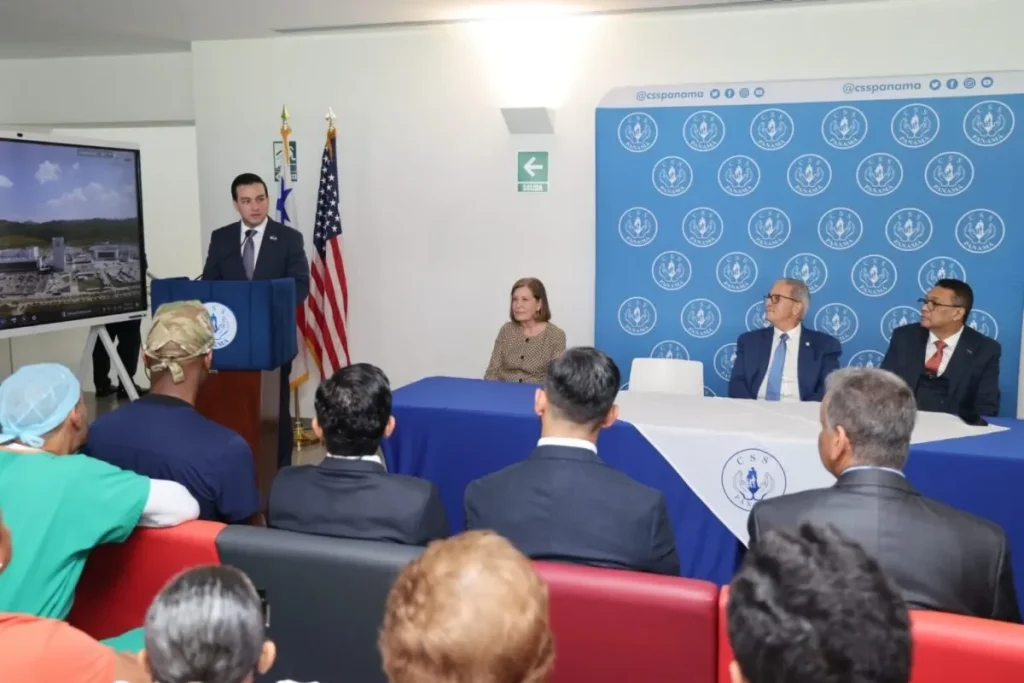
Ambassador Cabrera tied the health work directly to the security relationship between Washington and Panama City. He referenced expanded cooperation under Presidents Trump and Mulino. The envoy described the approach as results-driven assistance that promotes a safer, stronger and more prosperous hemisphere. Unlike large-scale aid packages routed through multiple agencies, this model places U.S. military medical teams directly inside Panamanian hospitals, alongside local staff, with a clear focus on measurable outcomes.
Official Statements Highlight Transformative Results
“Today we celebrate dozens of Panamanians regaining their sight, recovering independence and the ability to fully engage with their families and communities,” stated Ambassador Cabrera.
The ambassador added that the United States delivers life-changing care directly through SOUTHCOM’s Juntos por la Salud. He contrasted that model with what he called bloated NGOs or middlemen. “When we work together, we deliver real results that transform lives and strengthen our joint security,” he said.
Minister Boyd Galindo, CSS Director Mon and Dr. Martinelli accompanied the ambassador throughout the tour. Their presence underscored the interagency nature of the US Panama health collaboration. Patients at Ciudad de la Salud shared personal stories of regained independence, though officials did not release individual names. The visit drew attention to the quieter side of security cooperation, one focused on restoring basic human capabilities rather than military hardware.
In summary, the August 2026 mission marks another chapter in a partnership that combines surgical care, emergency transport upgrades and rural infrastructure. The total announced investment, from five ambulances to the Ngäbe-Buglé projects, reaches $6.8 million. That figure excludes the ongoing cost of the surgical mission itself and thousands of volunteer hours provided by U.S. medical personnel. With more than 18,000 patients reached this year and 3,400 procedures completed, the program continues to expand its footprint across Panama’s healthcare system.