


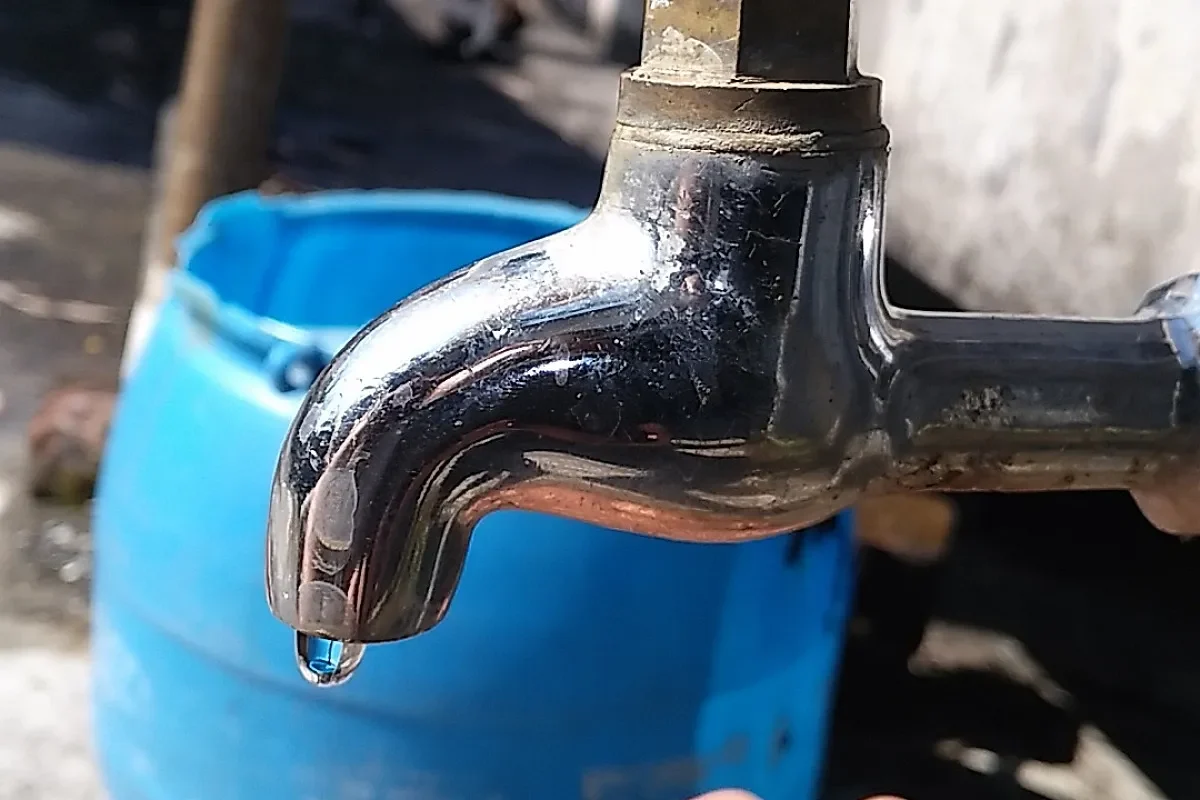
Griselda Hernández sets her alarm for 3:30 a.m. not to catch a flight or start a long commute, but to fill her water tank. That brief window before sunrise is the only time her home in Amelia Denis de Icaza receives running water, part of a deepening Panama water shortage that has forced thousands of residents across the capital district to restructure their lives around a resource most city dwellers take for granted.
Across more than 20 communities in Panama City and San Miguelito, families now receive water for as little as four to six hours each day, almost exclusively during the pre-dawn hours. The crisis has pushed building administrators to ration supplies, prompted some complexes to purchase water from tanker trucks, and left residents scrambling to complete basic household tasks in a narrow timeframe.
Communities Across the Capital Face Growing Supply Gaps
The affected areas form an extensive map of urban and suburban neighborhoods spanning both Panama and San Miguelito districts. In Panama City proper, residents in Hato Pintado on Calle Los Copetes, La Pulida, 12 de Octubre, and Altos de Miramar on Calle George Westerman have reported recurring interruptions. El Cangrejo near Calle Erick del Valle, Betania, Carrasquilla in the La Loma area, and Miraflores along Calle Ottawa and Colinas are also experiencing pressure problems that leave tanks empty and faucets dry.
San Francisco behind Parque Omar, La Cresta, Villa Cáceres, and Las Cumbres in the 12 de Julio sector round out the list of Panama City neighborhoods struggling with inconsistent service. Further east, communities in Pacora near Las Garzas and Tocumen in the La Siesta Vieja area face their own challenges, often compounded by distance from the main distribution network.
In San Miguelito, the situation mirrors the capital’s struggles. Residents in Amelia Denis de Icaza along Calles U, R, L, and M report severe water shortages, as do those in Victoriano Lorenzo neighborhoods like Monte Oscuro and Loma Blanca. Nuevo Veranillo, Samaria-Sinaí, and Villa Lucre have all filed reports of low pressure and intermittent supply that leave households without adequate water for essential daily activities.
Daily Life Disrupted by Unpredictable Water Access
The human toll of the crisis emerges in the routines residents have adopted to cope. Hernández, who lives in Amelia Denis de Icaza, described a system where water arrives between 3:30 a.m. and 7:00 a.m. before being cut off abruptly, as if someone turned a valve. Within that compressed period she must fill her reserve tank, handle laundry, clean the house, and manage other domestic tasks. Using the washing machine with stored water from the tank, she explained, means depleting the entire day’s supply in a single activity.
In Los Andes 2, Amanda Villa said she receives water for only about two hours during the early morning, a duration she called insufficient to cover basic needs. Similar accounts come from La Cresta, El Cangrejo, and Bella Vista, where prolonged interruptions have become a regular feature of urban life rather than an occasional inconvenience.
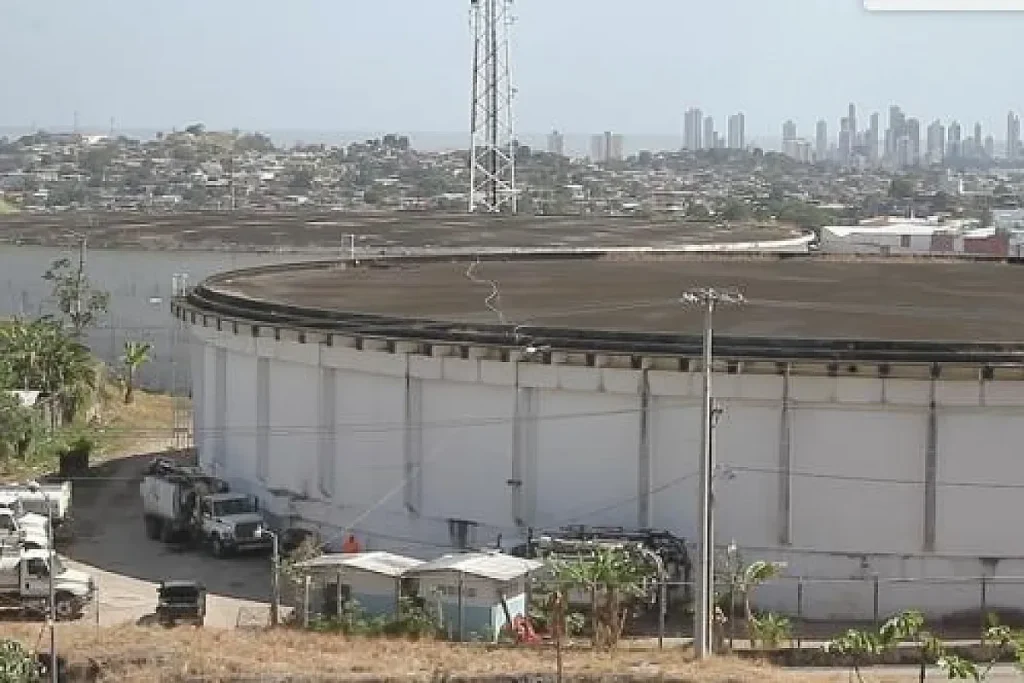
Anita Candanedo captured the frustration of many residents in a social media post, describing how sleep schedules have been turned upside down.
“Some sleep in the early morning, while others, in the middle of the capital city, we stock up on water and do our household activities” [Translated from Spanish]
Building administrators have taken emergency measures to manage the scarcity. In communities like Hato Pintado and La Pulida, property managers have asked residents to ration water and pay close attention to supply schedules while monitoring tank levels daily. Some residential buildings have gone further, hiring tanker trucks to purchase water and replenish their reserves, an expense that adds to already strained household budgets. In La Cresta, residents say they have endured about seven days of low pressure and short supply periods where available water is consumed faster than reserve tanks can recover.
Technical Causes Behind the Panama Water Shortage
Officials at the Instituto de Acueductos y Alcantarillados Nacionales (IDAAN) acknowledge the problems but emphasize that different areas experience shortages for different reasons. César Díaz, the institution’s national director of operations, explained that neighborhoods like Hato Pintado, La Cresta, 12 de Octubre, and various San Miguelito sectors operate on separate hydraulic systems, each with distinct vulnerabilities and failure points.
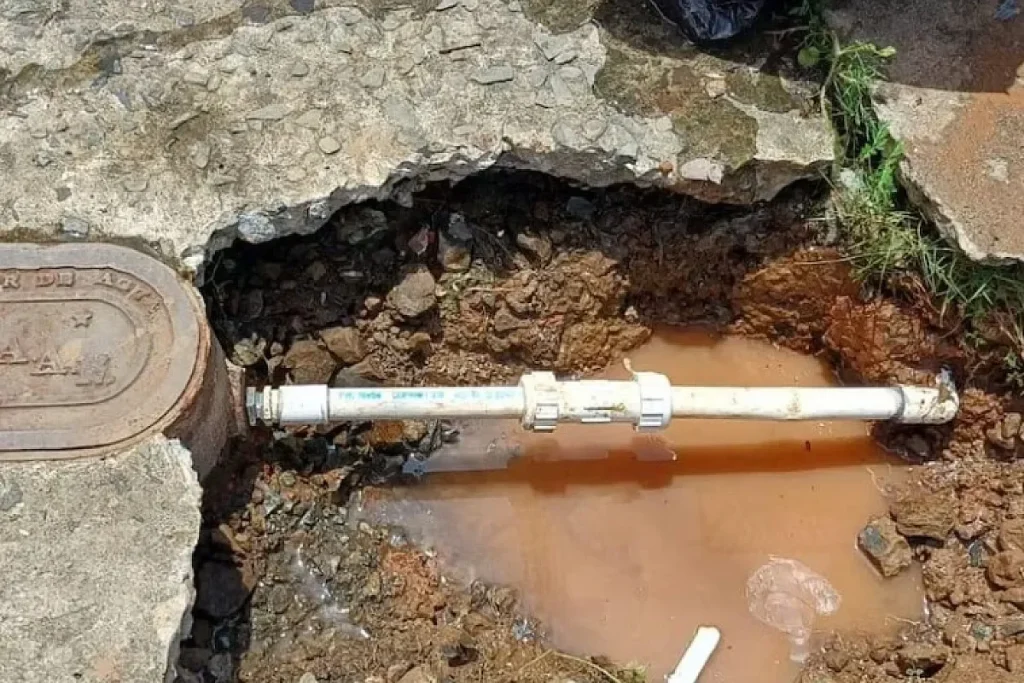
In the Panama Centro network, Díaz said service levels fluctuate based on daily variables including consumption rates, demand patterns, and leaks in the aging infrastructure. These factors disproportionately affect elevated areas where water pressure naturally drops as the supply moves uphill through distribution lines. IDAAN classifies many of the affected communities as high-altitude zones, a designation that helps explain why some neighborhoods consistently struggle while others maintain normal service.
Beyond topography, the system contends with additional pressures. Unauthorized connections siphon water from the network, reducing what reaches legitimate customers downstream. Physical leaks waste treated water before it ever reaches a household tap. And general wastefulness among consumers compounds the strain on a system already operating near its limits. For communities in eastern Panama, the problem often lies in their distance from central distribution infrastructure, making reliable service even more difficult to maintain.
Díaz noted that IDAAN has installed flow meters in Hato Pintado as part of an effort to monitor and understand the distribution challenges there. The agency recently met with building administrators from the area to discuss the situation, part of what officials describe as an ongoing effort to address service gaps while acknowledging that long-term solutions will require infrastructure investment and system modernization.
A Regional Crisis With Deep Historical Roots
The Panama water shortage extends well beyond the capital district. Communities in Panama Oeste have also reported low pressure and service interruptions, suggesting systemic challenges that affect multiple provinces rather than isolated neighborhoods. For many residents in affected areas, the problem has persisted for years, with some Hato Pintado residents reporting more than six years of recurring water supply difficulties.

The chronic nature of the crisis has created a landscape where residents and building managers have developed their own informal coping mechanisms. Knowledge of supply schedules, tank level monitoring, and even the purchase of water from private vendors have become routine parts of urban life in one of Central America’s most developed cities. The contrast between skyscrapers and modern infrastructure on one hand and unreliable water access on the other highlights the uneven development that characterizes Panama’s rapid urban growth.
IDAAN’s classification of high-altitude zones and its acknowledgment of leaks, illegal connections, and waste suggest that no single fix will resolve the crisis. The network faces simultaneous challenges from aging infrastructure, unauthorized usage, population growth, and geographic constraints. Residents who have lived with these problems for years express skepticism that conditions will improve quickly, even as officials describe their efforts to monitor flows and engage with affected communities.
For families like those in Carrasquilla’s PH Lomas del Parque on Calle Ciruelo and throughout Hato Pintado, the immediate reality remains unchanged. They continue to wake before dawn, fill whatever containers they can, and hope the water lasts until the next brief window of supply. The rhythms of daily life have been reshaped by scarcity, with cooking, cleaning, and basic hygiene all scheduled around a utility that should flow continuously but increasingly does not.
The broader implications for Panama’s capital are significant. As the city continues to grow and vertical development accelerates in neighborhoods like La Cresta and El Cangrejo, demand on the water network will only increase. Without substantial investment in new capacity, leak repair, and distribution improvements, the pattern of early-morning rationing may become the new normal for a growing share of the metropolitan population. Officials face the challenge of maintaining service in the present while planning for a future that demands far more from a system already stretched thin.
In summary, the water crisis affecting Panama City and San Miguelito represents a convergence of infrastructure deficits, geographic challenges, and management difficulties that has left thousands of residents adapting to a reality of limited and unpredictable access. The testimonies of residents like Hernández and Villa, the emergency measures adopted by building administrators, and the technical explanations offered by IDAAN all point to a problem that defies simple solutions. For now, the pre-dawn hours remain the critical window for securing one of life’s most essential resources, and the resilience of affected communities continues to be tested daily.