


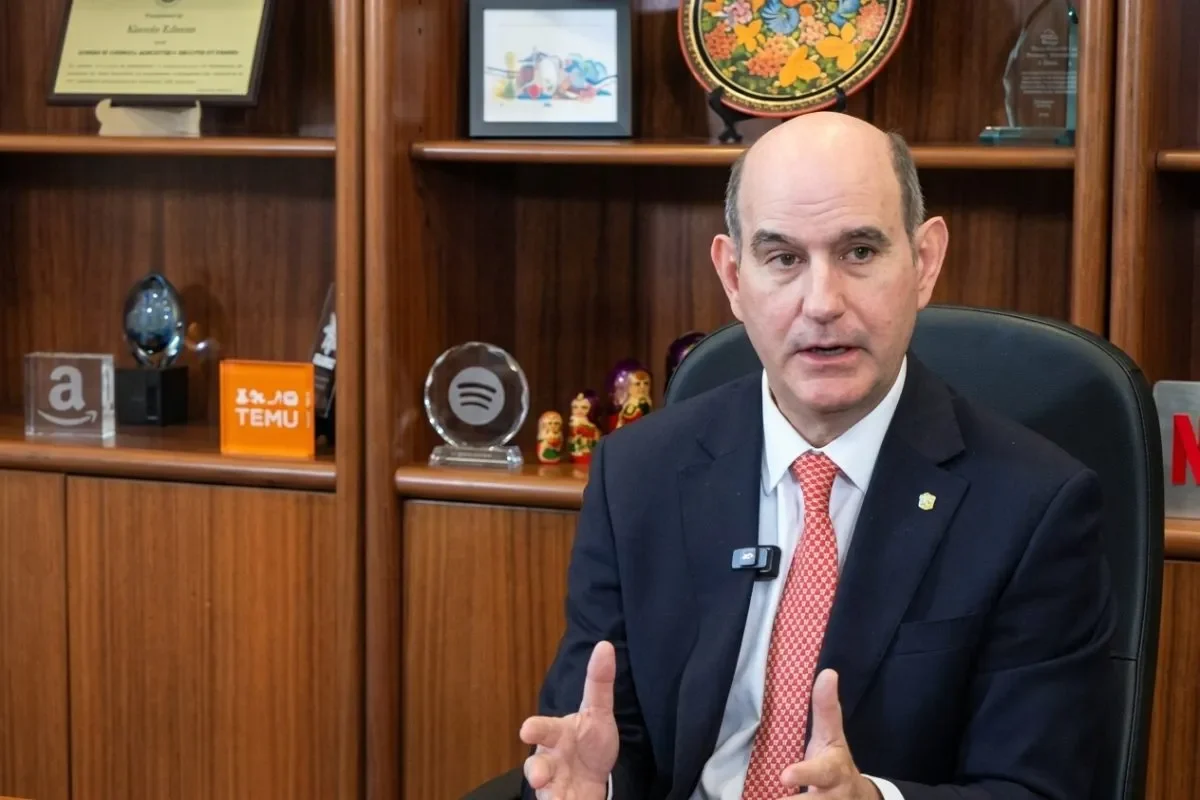
Six years after joining more than 130 nations in backing a landmark OECD and G20 initiative, Panama tax policy has undergone a dramatic reversal. The country that once seemed poised to implement a 15 percent minimum tax on large multinational corporations now finds itself watching from the sidelines as global enthusiasm fades and regional neighbors move at their own pace. Finance Minister Felipe Chapman confirmed the shift in stark terms, signaling that the Mulino administration has no immediate plans to advance the levy. The reversal marks a key significant fiscal strategy changes since the original endorsement.
The Global Framework and Panama Tax Policy Choices
Negotiations under the OECD‘s Base Erosion and Profit Shifting project, known as BEPS, began in 2021 with ambitious goals. The framework, structured around two pillars, sought to ensure that multinational giants pay taxes in every jurisdiction where they operate, regardless of where their headquarters are located. If a company’s home country declines to apply the levy, other jurisdictions where the firm conducts business can collect it instead. This mechanism was designed to close the loopholes that allowed corporations to shift profits to low-tax havens.
The threshold is significant. Companies with transactions exceeding 750 million euros, roughly $871.2 million at current reference rates, fall within the scope of the measure. By January 2026, 147 countries and jurisdictions had formally approved the application under the OECD umbrella. European Union members including Germany, France, Spain, Italy, and the Netherlands moved quickly to adopt or schedule the regulatory changes. Asian economies such as Japan, South Korea, Australia, Singapore, and Hong Kong followed a similar path, embedding the minimum tax into their domestic legal frameworks.
But the picture in Latin America and the Caribbean tells a different story. Brazil and Uruguay have decided to apply the tax, moving ahead with legislative reforms. Meanwhile, the Dominican Republic, Mexico, and several other nations continue evaluating the legal changes required for full implementation. Panama now sits firmly in this second group, having shifted from active preparation to cautious observation. The country’s territorial tax system, which taxes only income generated within its borders, adds another layer of complexity to any potential adoption.
The Mulino Administration’s Strategic Pause
During the Laurentino Cortizo administration, the 15 percent minimum tax appeared to be moving toward reality. Technical meetings involving the Ministry of Commerce and Industries, the Directorate General of Revenue, and the Chamber of Multinational Company Headquarters generated momentum. Drafts circulated among government offices. Timelines seemed plausible, and many observers expected Panama to join the first wave of Latin American adopters.
Then everything changed with the arrival of José Raúl Mulino. The new government took a radically different approach, deciding to distance Panama from the application of the measure. Minister of Economy and Finance Felipe Chapman attributed the shift to geopolitical and global factors, noting that the topic has lost prominence in international discussions. The urgency that characterized earlier negotiations has evaporated, replaced by a wait-and-see posture.
“I don’t know if it will become a topic of relevance on the global agenda. We don’t have it contemplated because right now it is not something that has formed part of the debates and international forums,” Chapman said. [Translated from Spanish]
Chapman’s assessment reflects a broader recalibration across the international tax landscape. The measure that once dominated policy debates has receded from prominence, partly due to the controversial exemption granted to US multinational companies. That concession, extracted through pressure from the Trump administration, fundamentally altered the equation for many countries weighing whether to proceed. Without American participation, the framework’s effectiveness diminished considerably in the eyes of many policymakers.
Business Leaders Urge Methodical Evaluation of Revenue Potential
Tony Roldán, president of the Chamber of Multinational Company Headquarters (CASEM), views the question through a different lens. While he acknowledges the complexity, he insists the conversation should not be permanently closed. His organization represents the very companies that would be affected by the levy, giving his perspective particular weight in the ongoing debate.
“Yes, adopting the global minimum tax is a country decision. What we recommend is that the country and the institutions do a deep analysis of the benefits or disadvantages and based on that take the most convenient decision,” Roldán said. [Translated from Spanish]
Roldán recognizes that the measure could unlock additional revenue streams for Panama at a time when fiscal pressures demand new sources of income. But he also emphasizes that implementation is far from simple. Administrative structures would need redesign. Legislative changes would be required. Operational systems would demand substantial upgrades. Each of these elements carries costs that must be weighed against potential gains.
“It requires a series of administrative, legislative and operational changes, and all of that has to be evaluated and put on the balance to determine if it is the most correct thing for the country,” he explained. [Translated from Spanish]
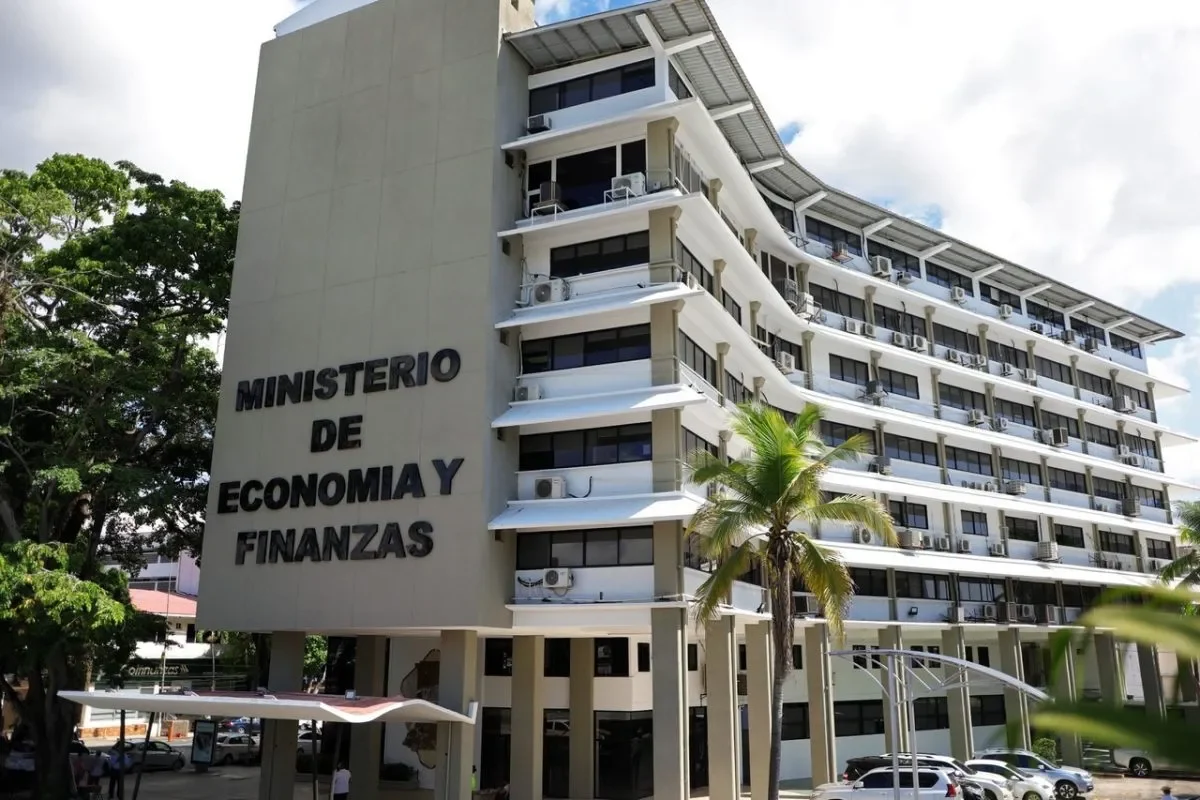
The private sector leader confirmed that the Ministry of Economy and Finance has already held technical roundtables with business representatives and requested World Bank support for impact studies. The challenge lies in data availability. Gathering the information needed to assess the levy’s effects on Panama’s competitive position and revenue base has proven difficult, slowing the analytical process considerably.
“The complexity is very great because data is required that is not necessarily at hand or easy to obtain. But we believe the analysis should be done, because not doing it could be a loss of opportunity for additional income that the country needs,” Roldán said. [Translated from Spanish]
He expressed hope that discussions could resume in 2027, suggesting the door remains open for a future reassessment. That timeline would allow the World Bank studies to be completed and give Panama the benefit of observing how Brazil and Uruguay fare with their implementations. The business community appears willing to engage constructively, provided the government commits to evidence-based decision-making rather than political expediency.
The Side-by-Side Compromise and Regional Divergence
The most contentious chapter in the global minimum tax saga involved the United States. Under pressure from the Trump administration, negotiators agreed to exempt US multinational companies from the framework’s reach. The resulting agreement, dubbed the “Side-by-Side Package,” allowed the US tax system and the OECD system to coexist without full integration. The Inter-American Development Bank described the arrangement as operating alongside one another rather than truly unified, a compromise that satisfied Washington while frustrating advocates of comprehensive reform.
That compromise, documented in the IDB’s analysis of the global minimum tax’s implications for Latin America and the Caribbean, reshaped incentives across the region. Deloitte representatives also pointed to the US decision to step away from full alignment as a turning point that weakened the initiative’s cohesion. When the world’s largest economy opts out, the argument for smaller nations to participate becomes harder to sustain politically.
For Panama, the US exemption carries particular weight. The country’s economy maintains deep ties to American capital flows and multinational operations, and its currency is pegged to the dollar. A global tax framework that excludes US firms creates an uneven playing field, potentially penalizing jurisdictions that adopt the levy while their largest trading partner remains outside the system. This asymmetry figures prominently in the Mulino administration’s calculations, informing its reluctance to move forward without clear signals from Washington.

What the Delay Means for Panama’s Fiscal Future
The pause on the global minimum tax leaves Panama in a delicate position. On one hand, the country preserves its competitive tax advantages at a moment when regional rivals are adopting the measure. Companies seeking favorable jurisdictions may view Panama’s non-participation as an advantage, potentially attracting investment that might otherwise flow to Brazil or Uruguay. On the other hand, the country risks forgoing revenue that could help address pressing fiscal needs. The World Bank studies requested by the finance ministry may provide clarity, but their timeline remains uncertain.
Roldán’s suggestion that conversations could resume in 2027 hints at a potential window for reconsideration. By then, the global landscape may have shifted again. The experiences of Brazil and Uruguay offer valuable test cases for Latin American implementation. Their successes or struggles will inform Panama’s eventual decision, providing empirical evidence that is currently lacking. A careful observer might note that Panama has often benefited from a second-mover advantage, learning from the mistakes of early adopters before committing its own resources.

For now, the Mulino administration’s position is clear. Panama will watch, wait, and analyze. The country that once championed the global minimum tax has chosen caution over speed, prioritizing competitive positioning over immediate revenue gains. Whether that calculation proves wise depends on factors far beyond Panama’s control, including the evolution of US tax policy and the durability of the OECD framework itself.
The global minimum tax debate in Panama is not over. It has simply entered a new phase, one defined by careful analysis rather than urgent action. The coming years will reveal whether the country’s strategic patience pays off or whether opportunities slip away while competitors adapt to the new international tax architecture. For a nation that has long marketed itself as a stable and predictable business destination, the current uncertainty surrounding Panama tax policy may itself become a factor that investors weigh in their decisions.