


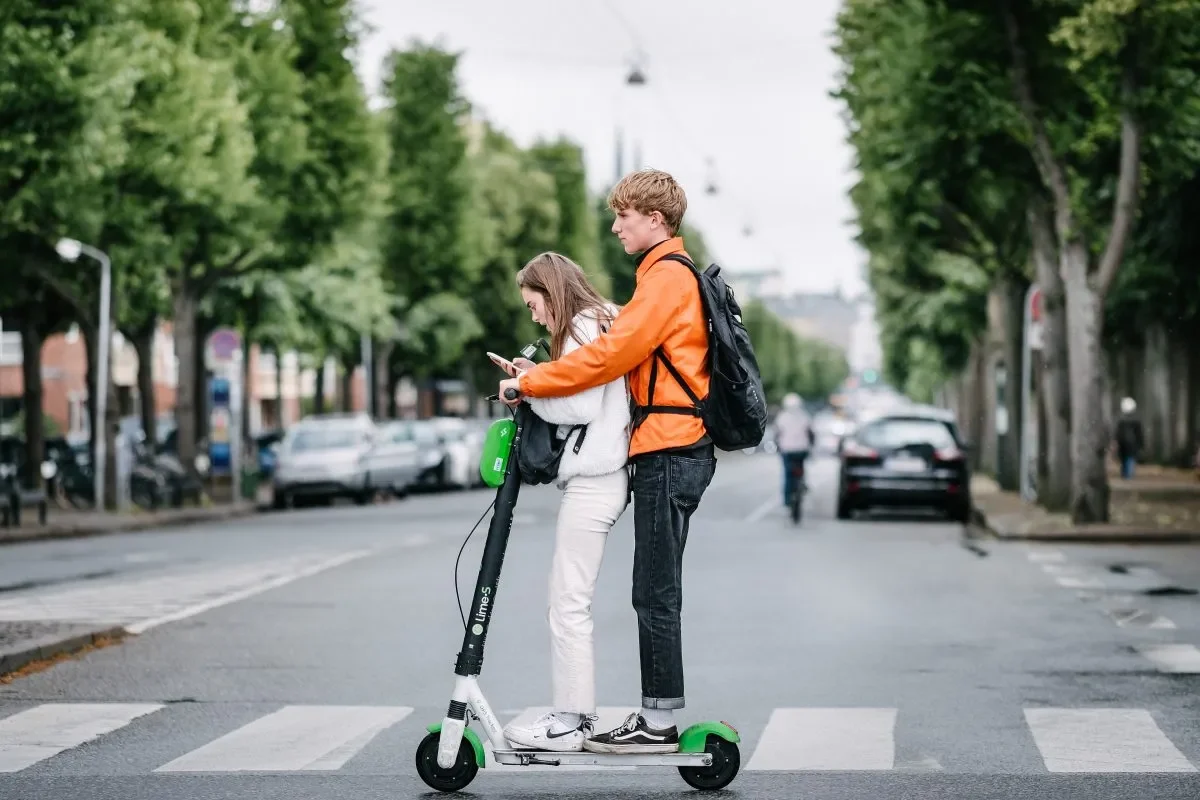
Panama’s transit authority is drafting new regulations that could require riders of electric scooters and electric motorbikes to obtain a driver’s license before using public roads. The proposal, confirmed by Nicolás Brea, director of the Autoridad del Tránsito y Transporte Terrestre (ATTT), remains under internal review with no approved timeline for implementation.
The move responds to a sharp rise in electric mobility devices across Panama City and other urban areas. Brea said the working group analyzing updates to the national traffic code expects to reach a determination soon, but he declined to specify when new rules might take effect.
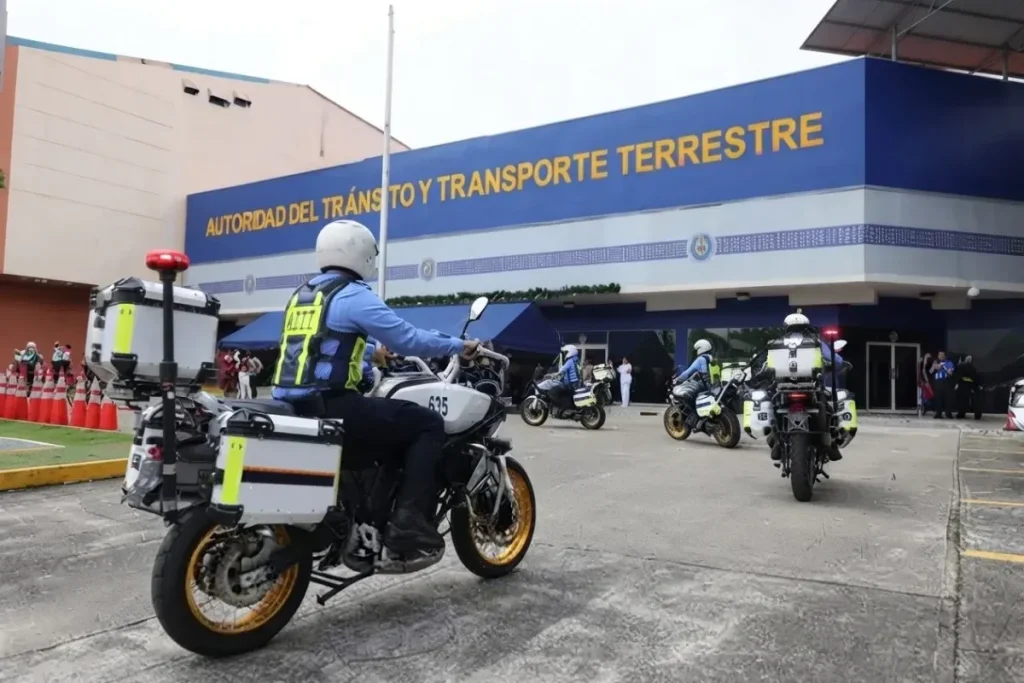
Licensing Logic Behind Electric Scooters Regulation
Brea argued that anyone operating a vehicle on public infrastructure must understand basic circulation norms, regardless of whether the vehicle runs on gasoline or battery power. He framed the requirement as a matter of road safety and legal consistency.
“Whoever uses public roads, whether in a combustion engine vehicle or an electric one, must have a license because they must have the prior capacity or knowledge of general circulation rules” [Translated from Spanish]
The ATTT director added that electric scooters and motorbikes remain vehicles even when they travel at lower speeds. That position signals a stricter interpretation of existing traffic law, which currently does not explicitly require licenses for low-powered electric devices.
Mobility Expert Calls for Clearer Rules First
Juventino Quiroz, a specialist in sustainable urban mobility, pushed back on the licensing proposal. He said regulators should first resolve ambiguities about where electric scooters and motorbikes can legally operate before imposing new requirements on riders.
Quiroz explained that current rules fail to distinguish between devices designed for sidewalks and those built for street use. That gap creates confusion for riders and pedestrians alike.
“There are some that go on the sidewalk and others that go on the street. So those on the sidewalk have to respect sidewalk rules and those on the street have to respect street rules” [Translated from Spanish]
He said any future regulation should use speed and vehicle characteristics to determine circulation zones. Without those definitions, a license mandate could punish riders who have no clear legal guidance on where to ride.
Registration and Insurance Proposal for Electric Vehicles
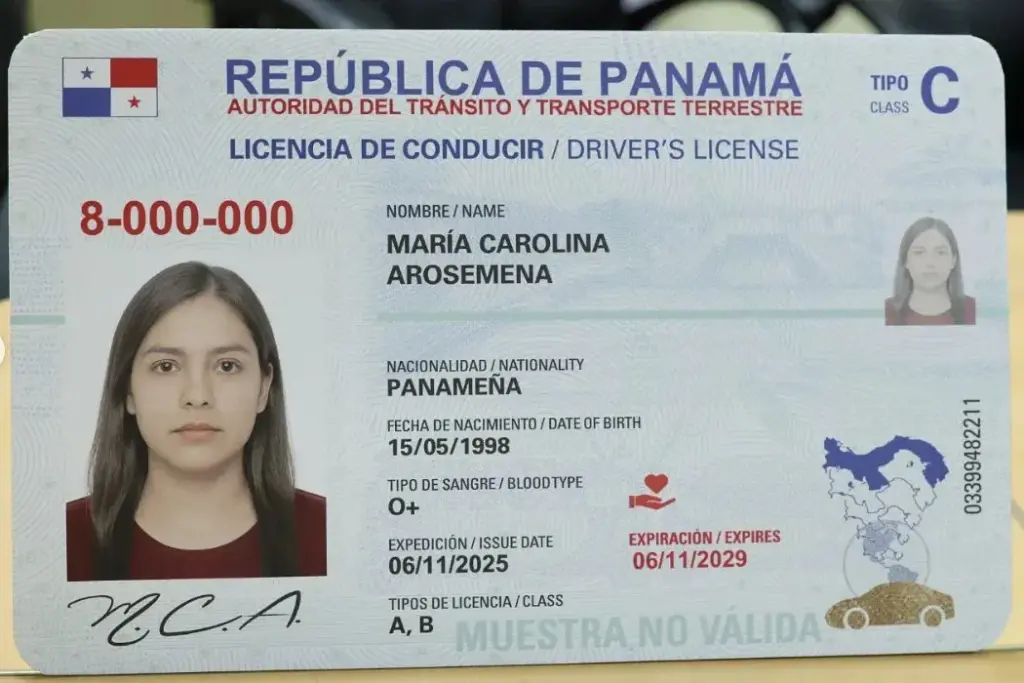
Quiroz also proposed that regulation begin at the point of purchase. Electric vehicles intended for street use should carry a vehicle registration that allows authorities to identify them, he said. That registration could then support insurance requirements similar to those for conventional motorcycles and cars.
The discussion unfolds as electric scooters, e-bikes, and electric motorbikes gain popularity as affordable alternatives to cars in Panama’s congested corridors. No date has been set for the ATTT working group to publish its recommendations or for the government to adopt changes to the traffic code.
The outcome will shape how thousands of daily riders navigate Panama’s streets and whether new compliance costs accompany the shift toward electric mobility.