


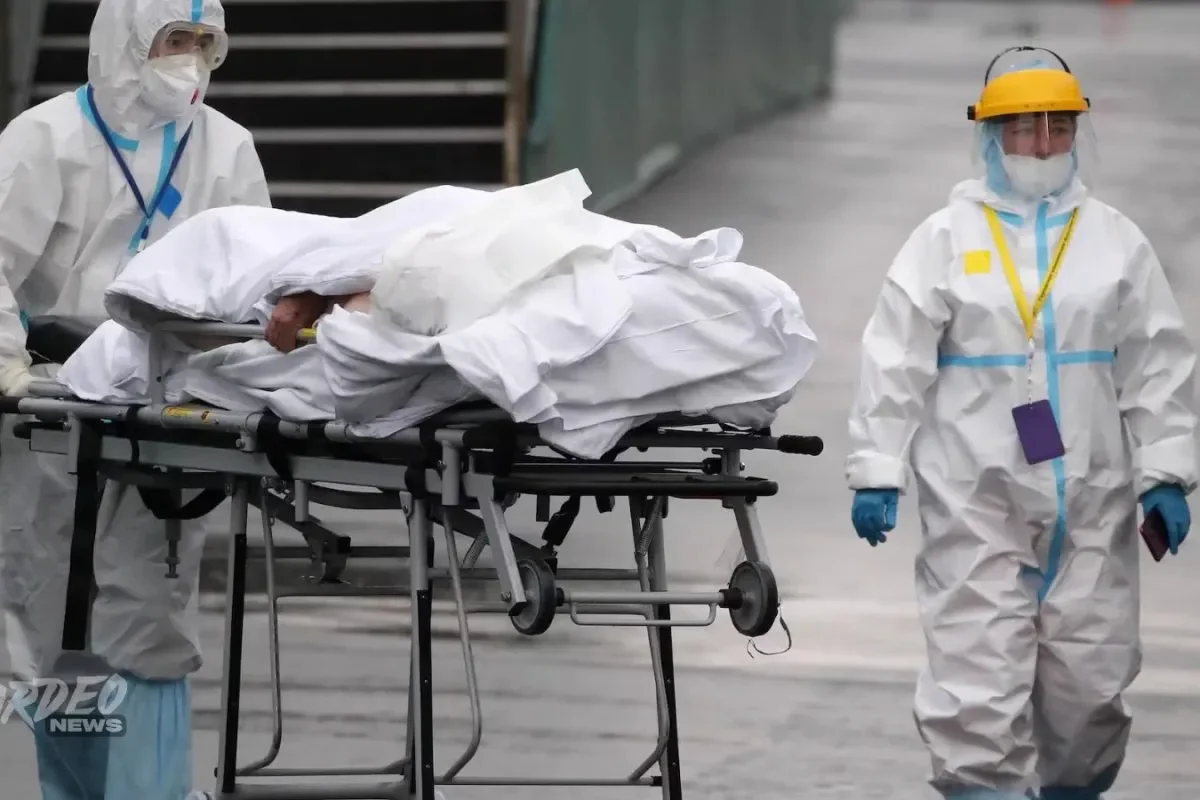
Panama’s Ministry of Health (Minsa) confirmed Tuesday it is monitoring a suspected case of pneumonic plague Russia reported in connection with the death of a 28-year-old researcher. The scientist presented pneumonia of unknown origin, and the clinical picture remains under investigation by international health authorities.
Minsa said the event does not currently pose an elevated risk of international spread, based on available data from global health organizations. The ministry activated its epidemiological surveillance protocols under the International Health Regulations.
Pneumonic Plague Russia Investigation Details
The European Centre for Disease Prevention and Control (ECDC) is tracking the situation with limited information. No secondary cases have been reported, nor is there evidence of sustained person-to-person transmission that would drive broader disease spread, according to the ECDC report cited by Panamanian officials.
Yelkys Gil, Minsa’s director general of public health, said Panama maintains permanent vigilance over events that could threaten national or international public health. The suspected case emerged after the researcher’s death in Siberia, where Russian authorities initially investigated a possible laboratory exposure.
Transmission Risk and Clinical Profile
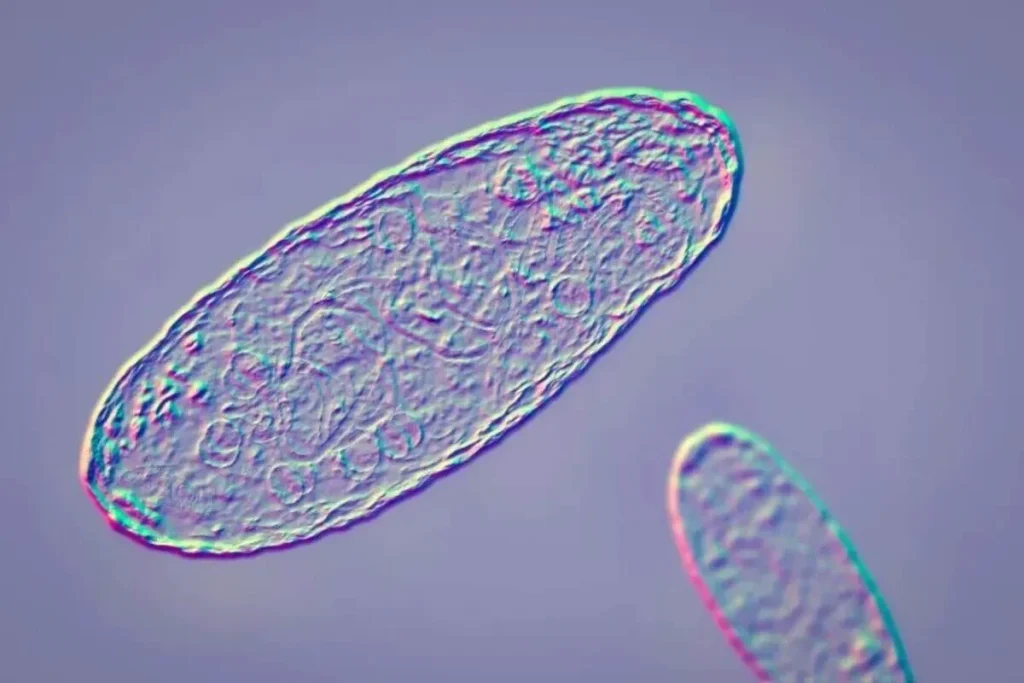
Pneumonic plague is a severe infectious disease transmitted through respiratory particles. Infection generally requires close and prolonged contact with a symptomatic person. Both bubonic and pneumonic plague stem from the bacterium Yersinia pestis and respond to antibiotics when detected early.
“Bubonic plague and pneumonic plague are diseases that can be treated with antibiotics when detected in a timely manner,” Gil said. [Translated from Spanish]
Patients with suspected or confirmed pneumonic plague must be isolated and receive appropriate treatment. Close contacts require rapid identification and monitoring, Minsa stated. Panama has not recorded any plague cases for decades.
Panama’s Epidemiological Response
Minsa continues coordinating with international reference organizations to follow the event. The ministry reiterated that epidemiological surveillance across Panamanian territory aims to detect outbreaks, epidemics, and other unusual public health events promptly.
Health authorities recommended maintaining basic hygiene measures, including frequent hand washing. The ministry’s statement underscored that no travel restrictions or additional border controls are currently warranted for the pneumonic plague Russia case.