


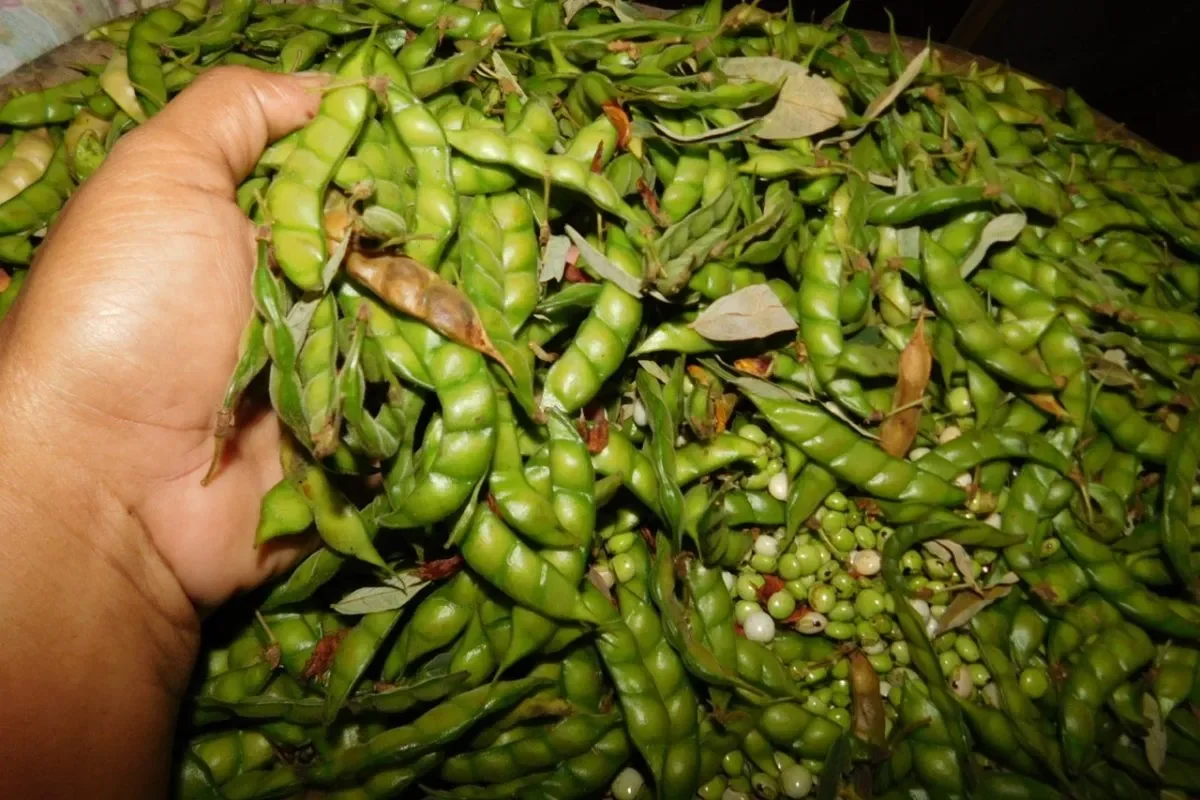
A University of Chiriquí thesis project is exploring whether proliferating marine macroalgae can serve as a natural growth enhancer for guandú, a legume central to Panamanian cuisine and a key focus of sustainable agriculture Panama research. Manuel Frago, a student from Chiriquí, collected seaweed from two Pacific sites to test its potential as a bio-stimulant for the crop.
The investigation targets Cajanus cajan, known locally as guandú, which faces mounting production pressure from erratic rainfall and rising temperatures. Frago’s work proposes turning an ecological nuisance, excessive algal blooms, into an agricultural asset.
Field Research Across Two Pacific Marine Zones
Frago gathered macroalgae samples from Playa Hermosa on the Gulf of Chiriquí coast and Granito de Oro inside Coiba National Park. His thesis adviser, Dr. Eyvar Rodríguez Quiel, accompanied him at Playa Hermosa. At Granito de Oro, he worked alongside Dr. Eloisa Lasso, also a thesis adviser, completing six 45-meter transects around the island.
Conditions differed sharply between the two locations. At Playa Hermosa, strong waves and murky water prevented the use of sampling quadrants, so Frago measured only the longitudinal spread of algae across five rocky platforms. At Granito de Oro, he used a one-square-meter quadrant divided into 100 cells to estimate benthic coverage along the coral reef, where dense algal patches have been documented growing over coral colonies.
After collection, the seaweed was separated from its substrate, sealed in airtight bags, and transported under cold-chain conditions. Taxonomic identification relied on morphological traits and established identification keys.
Why Guandú Production Is Under Strain
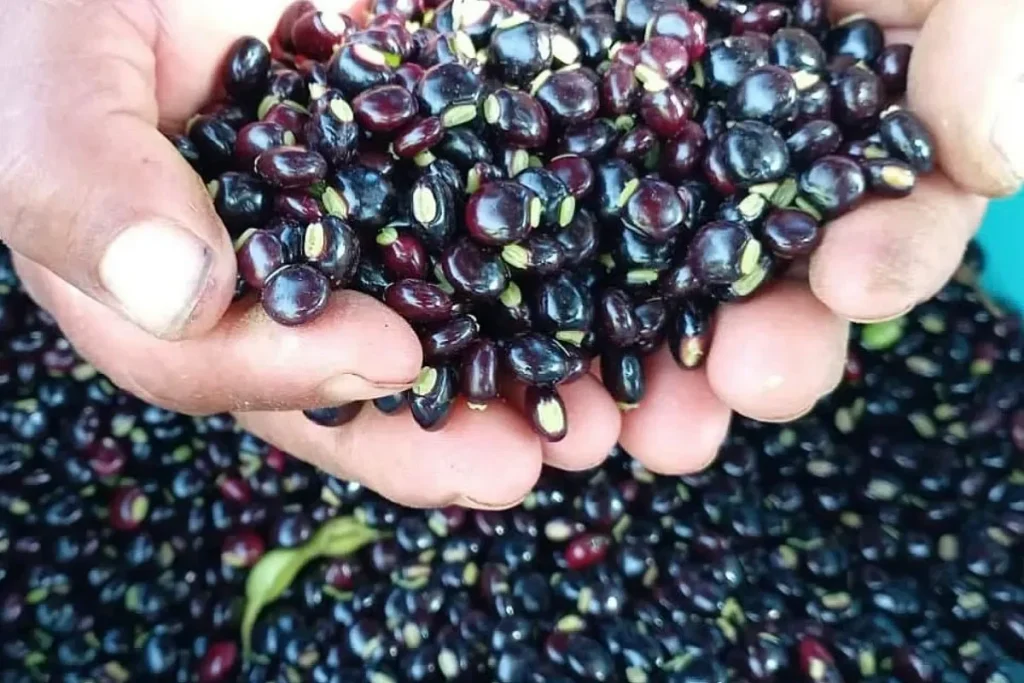
Guandú holds a special place in Panamanian food culture, especially during end-of-year celebrations. But climate variability now alternates intense rains with prolonged heat, shrinking harvests and driving up consumer prices. The legume’s vulnerability makes it a practical test subject for bio-stimulant applications that could stabilize yields.
Bio-stimulants differ fundamentally from fertilizers. They do not add nutrients directly. Instead, they trigger natural plant processes that improve nutrient uptake, stress tolerance, and overall crop quality. For farmers, this could mean fewer chemical inputs and better resilience to weather extremes.
Marine Algae as a Renewable Agricultural Resource
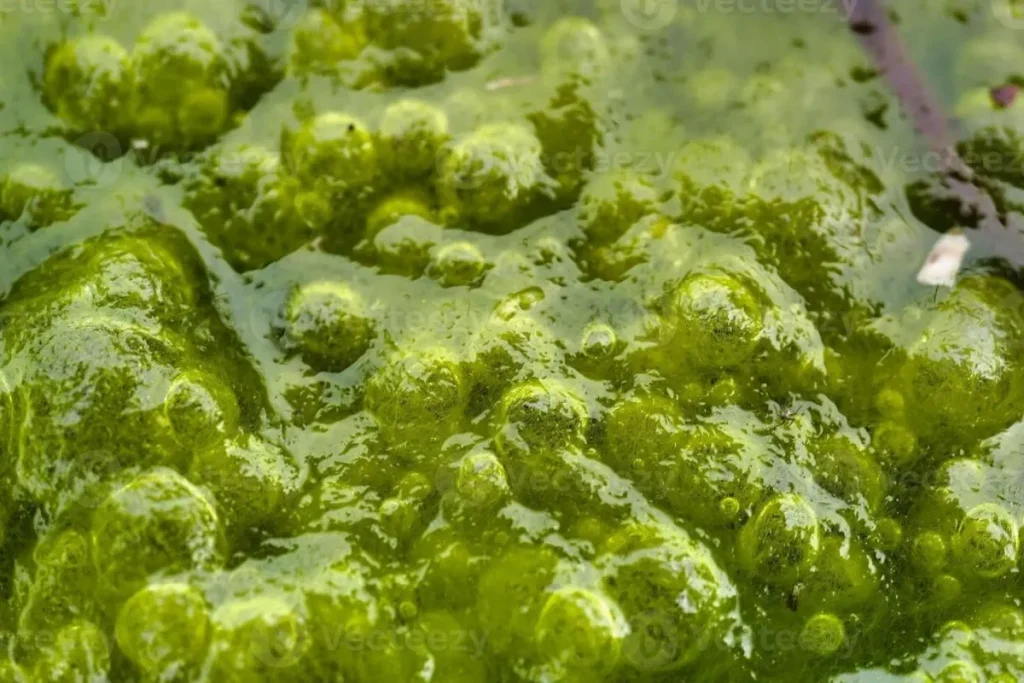
Macroalgae produce between 50 and 70 percent of the planet’s oxygen and contain carotenoids, enzymes, and vitamins. Their physicochemical properties already make them valuable in cosmetics, medicine, pharmacology, and food industries. Because many species reproduce both sexually and asexually, they can regenerate populations when harvesting is managed properly.
The proliferation of these organisms, But, creates ecological problems. Warming oceans and nutrient runoff from organic waste, carbon dioxide emissions, and agrochemical use fuel excessive growth. Accumulated algae reduce available oxygen, alter seabed communities, and harm other marine life. Frago’s research tests whether harvesting this overabundant biomass could ease coastal stress while supporting inland farming.
Extractos de macroalgas como bioestimulante para el guandú https://t.co/jXXVxhFHhI https://t.co/lfKldcarzY
— a50pma™ (@a50pma) October 9, 2026
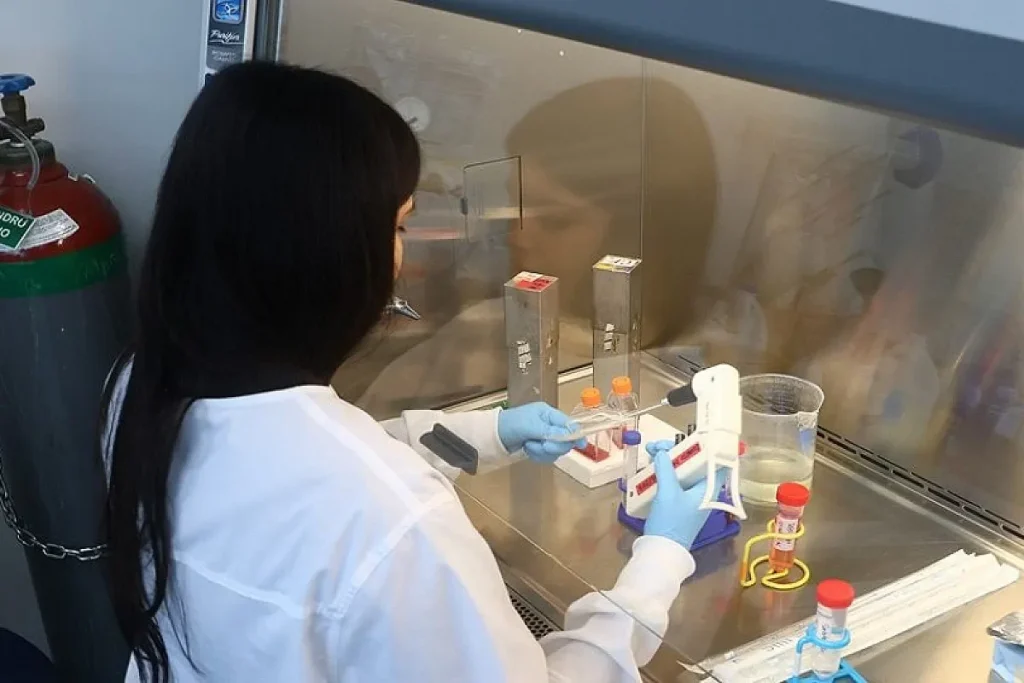
Frago structured his investigation around four objectives. First, he characterized benthic coverage at both sites. Second, he identified the algae taxonomically. Third, he selected species and prepared aqueous extracts. Fourth, he ran experimental bioassays on germination and open-air growth phases for guandú.
“The research evaluates extracts from macroalgae collected in two zones of the Panamanian Pacific as bio-stimulant agents to optimize guandú crop growth and development” [Translated from Spanish]
The project aligns with broader efforts to diversify Panamanian agriculture and reduce reliance on synthetic inputs. If successful, the approach could offer a low-cost, locally sourced tool for smallholder farmers while addressing coastal algal overgrowth. Results from the germination and growth trials will determine whether the seaweed extracts deliver measurable benefits under field conditions.