


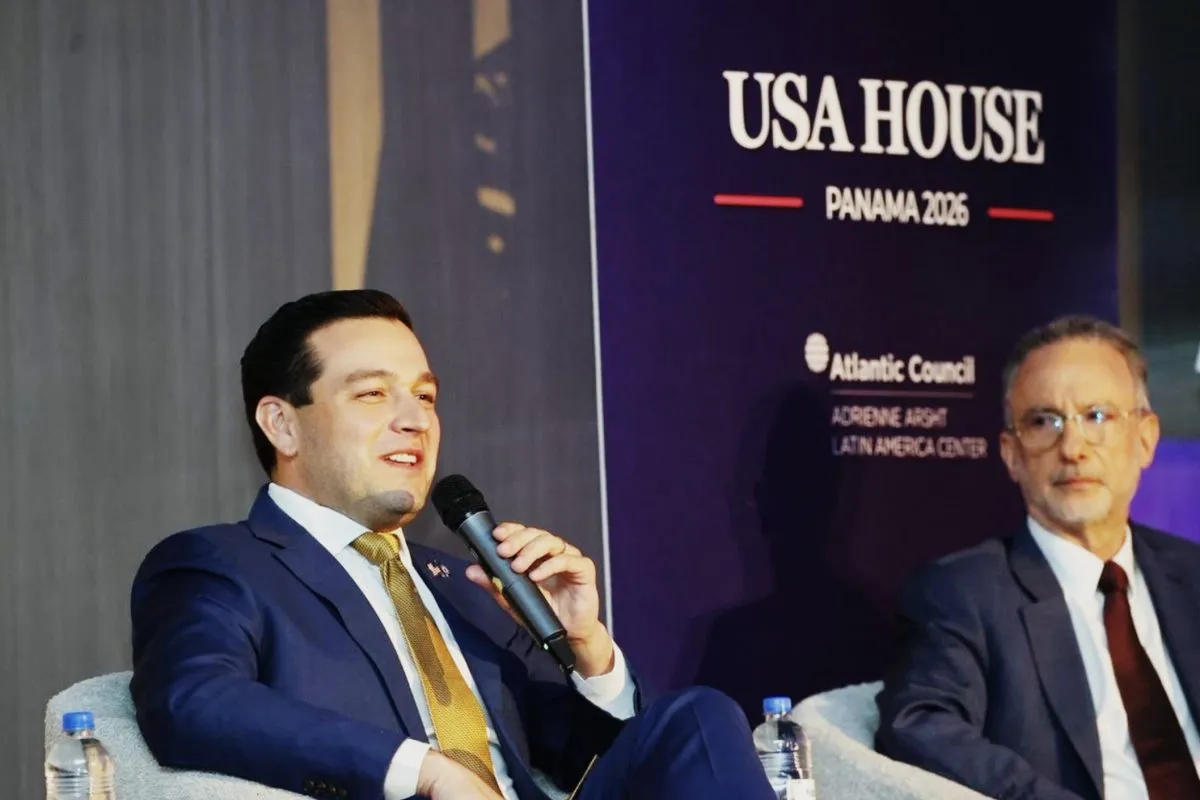
The United States announced a $27 million Panama security assistance package on November 18, 2026, aimed at disrupting drug trafficking, weapons smuggling, and transnational criminal operations. Ambassador Kevin Marino Cabrera confirmed the cooperation includes a maritime patrol aircraft, training programs, and technical support for Panamanian forces.
The announcement came through the ambassador’s official account on X, where he detailed how the assistance will strengthen Panama’s ability to monitor illicit maritime routes used by criminal networks moving contraband toward US territory.

Maritime Patrol Aircraft Bolsters Panama Security Assistance
The centerpiece of the package is a maritime patrol aircraft equipped for surveillance operations across Panama’s strategic waterways. This platform will enhance detection capabilities against vessels suspected of carrying narcotics, illegal firearms, or other smuggled goods through regional sea lanes.
Washington’s support targets specific vulnerabilities that transnational organizations exploit. Officials said the aircraft’s deployment directly addresses gaps in Panama’s current monitoring capacity, particularly along remote coastal areas where traffickers frequently operate undetected.
Alongside the aircraft, the package funds specialized training for Panamanian personnel and ongoing technical assistance. These components aim to build sustainable institutional capacity rather than relying solely on equipment transfers.
#NoticiasTVN Estados Unidos anuncia $27 millones en asistencia de seguridad para Panamá. https://t.co/MeGAxlILtx
— TVN Noticias (@tvnnoticias) November 18, 2026
Regional Cooperation Against Transnational Crime Networks
Ambassador Cabrera linked the new assistance to broader hemispheric security objectives. He emphasized that criminal groups use security weaknesses to move drugs and weapons toward the United States, making Panama’s enforcement capabilities a direct American interest.
Cabrera also referenced a recent extradition involving an alleged Hezbollah operative, crediting close coordination between the United States, Panama, and Venezuela for that outcome. The case illustrates how multilateral intelligence sharing can produce concrete results against international threats.
The ambassador framed the $27 million package as both a defensive measure and a deepening of bilateral security ties. Panamanian authorities will receive support designed to counter illicit trafficking while strengthening operational interoperability with US agencies.
Security Assistance Timeline and Implementation
Delivery timelines for the maritime patrol aircraft and associated training programs were not specified in the announcement. But the package represents one of the more substantial US security investments in Panama in recent years.
Panama’s geographic position makes it a critical transit point for cocaine moving north from South America. US officials have consistently identified the country’s waters and ports as priority zones for interdiction efforts and intelligence gathering.
The new assistance builds on existing agreements between the two nations covering counter-narcotics operations, port security, and law enforcement coordination. Panamanian forces will integrate the new capabilities into their current maritime patrol and monitoring frameworks.