


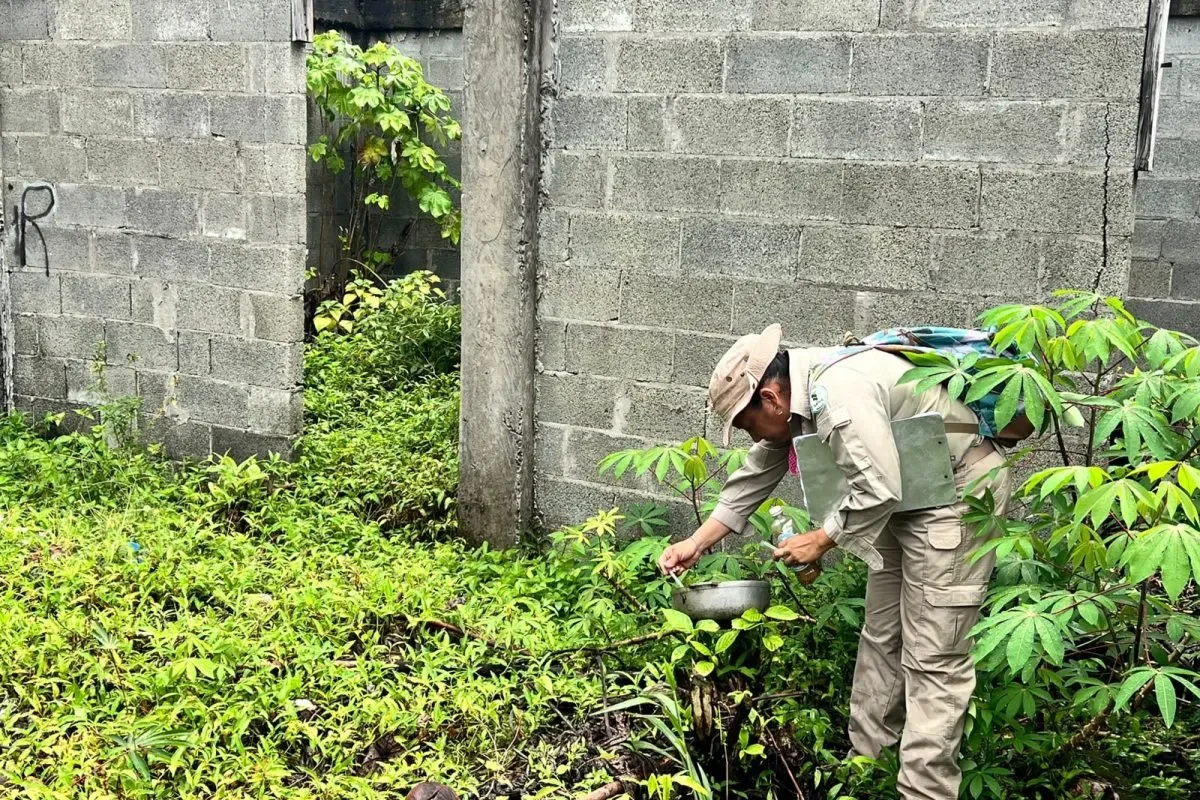
Panama’s Ministry of Health confirmed Monday that the country has accumulated 6,412 malaria cases through epidemiological week 43, with authorities now coordinating a multi-agency search for 38 patients who either abandoned treatment or cannot be located. The Panama malaria outbreak remains concentrated in endemic regions, though a new transmission cluster near the Merca Panamá wholesale market has prompted an active sanitary alert in the capital district.
Pablo González, head of Epidemiology at the Ministry of Health, said the outbreak has triggered vector control operations, neighborhood sweeps, and a coordinated effort with the National Police and the Ministry of Environment. The immediate concern remains breaking the chain of transmission before the parasite spreads further into urban communities.
#NoticiasTVN Casos de malaria superan los 6,400 en Panamá; Minsa mantiene búsqueda de pacientes. https://t.co/y9kibXZPSe
— TVN Noticias (@tvnnoticias) November 23, 2026
Panama Malaria Outbreak Concentrated in Ancón Corridor
González explained that roughly half of all national cases come from Guna Yala and Panamá Este, two historically endemic zones. Additional infections have been reported in Veraguas and the Ngäbe-Buglé indigenous region. But the newest cluster near Merca Panamá has drawn particular attention because of its location in the Ancón township, a densely populated logistics and commercial corridor.
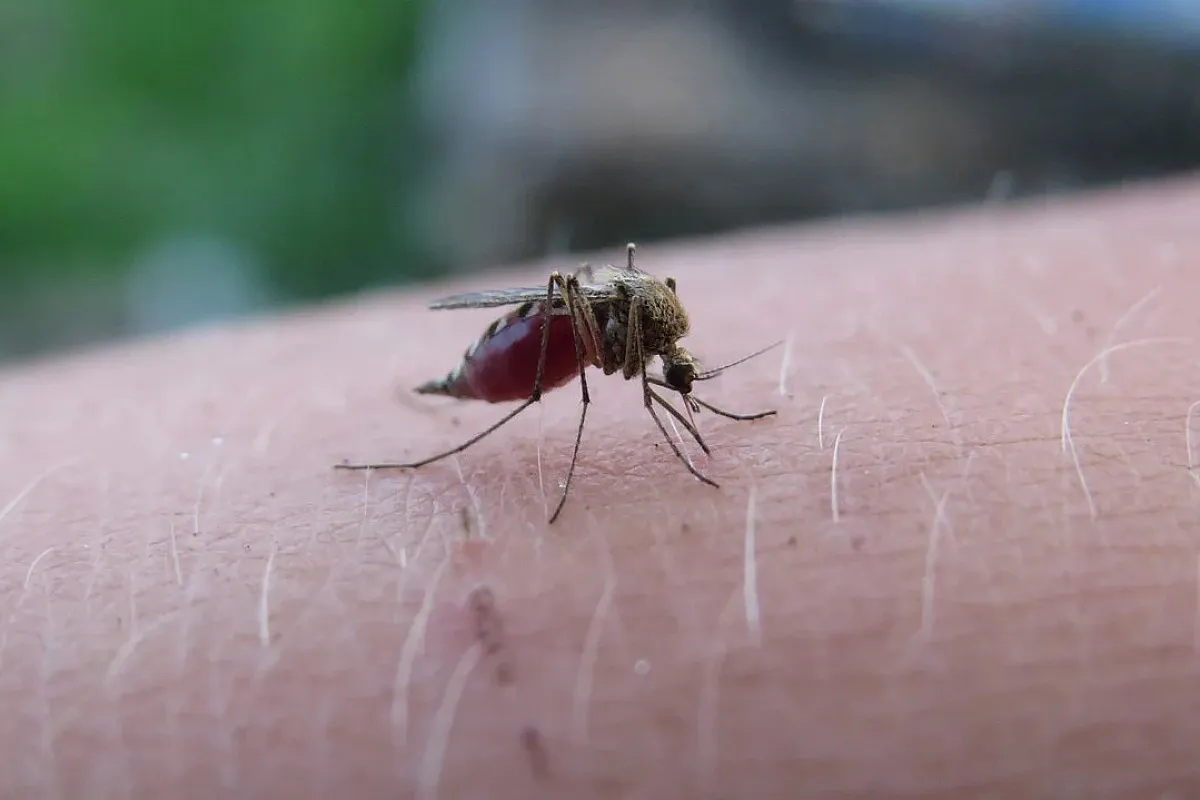
The epidemiological hypothesis points to an informal worker from an endemic area who arrived at the market already infected and untreated. That individual reportedly slept in concrete pipes beneath a bridge near the commercial complex, where exposure to Anopheles mosquito bites likely turned him into a local transmission source. González stressed that Merca Panamá itself is not the origin of the problem, but rather a site where prolonged outdoor exposure created conditions for spread.
The movement of merchants, truck drivers, and day laborers who spend multiple days in the area may have amplified exposure. Health officials have advised residents to avoid unnecessary visits to wooded zones surrounding the market while clean-up and fumigation crews operate.
Authorities Search for 38 Patients Who Interrupted Treatment
The Ministry of Health faces a significant operational hurdle in locating 11 patients who abandoned their medication regimen and 27 others who provided false names, addresses, or phone numbers at the time of diagnosis. González said the search now involves the National Police, municipal governments, and environmental authorities, with identification checkpoints established at Merca Panamá to verify patient information.
The current treatment protocol lasts seven days and combines chloroquine with primaquine. But many patients stop taking the medication after three days when symptoms improve, a pattern that worries epidemiologists because incomplete treatment allows the Plasmodium parasite to persist. González noted that between 30 and 40 percent of Plasmodium vivax infections can relapse naturally, and some cases may require treatment extension to 14 days.
Hospitalizations have occurred throughout the outbreak. Between 11 and 17 people required inpatient care, primarily during the initial phase of the Ancón cluster. González also confirmed that one death remains under investigation, linked to one of the first informal workers identified near Merca Panamá. The case has been referred to the Forensic Medicine Institute, and authorities are awaiting results to determine whether malaria contributed to the fatality.
Dengue Adds Pressure to Panama’s Health System
Beyond the malaria emergency, Panama has recorded more than 13,500 dengue cases this year, with 22 confirmed deaths from that mosquito-borne disease. The dual burden of malaria and dengue has stretched epidemiological surveillance teams, particularly in regions where both vectors circulate simultaneously.
Health officials continue to emphasize that early diagnosis and treatment completion remain the most effective tools for cutting transmission. The Ministry of Health has not announced a timeline for lifting the sanitary alert in Ancón, stating that containment depends on locating the missing patients and confirming no new local infections emerge in the coming weeks.