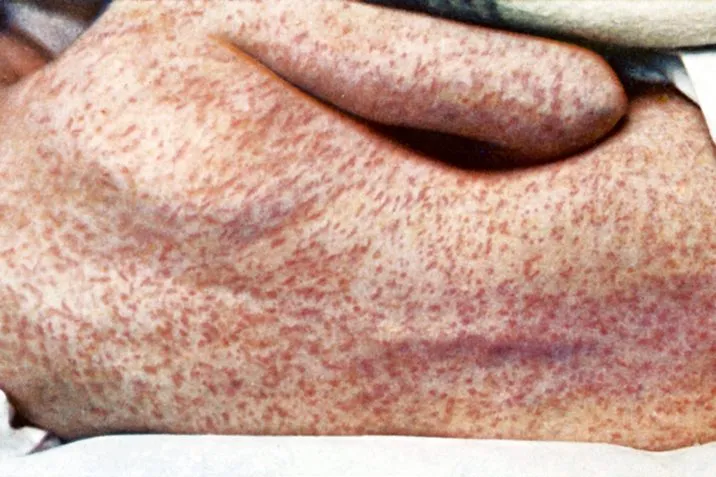
Nearly all measles cases in the Americas are now concentrated in just three nations. Mexico, Guatemala, and the United States account for 97 percent of infections across the region. The Pan American Health Organization released this data on June 4 in its Regional Situation Report No. 4 .
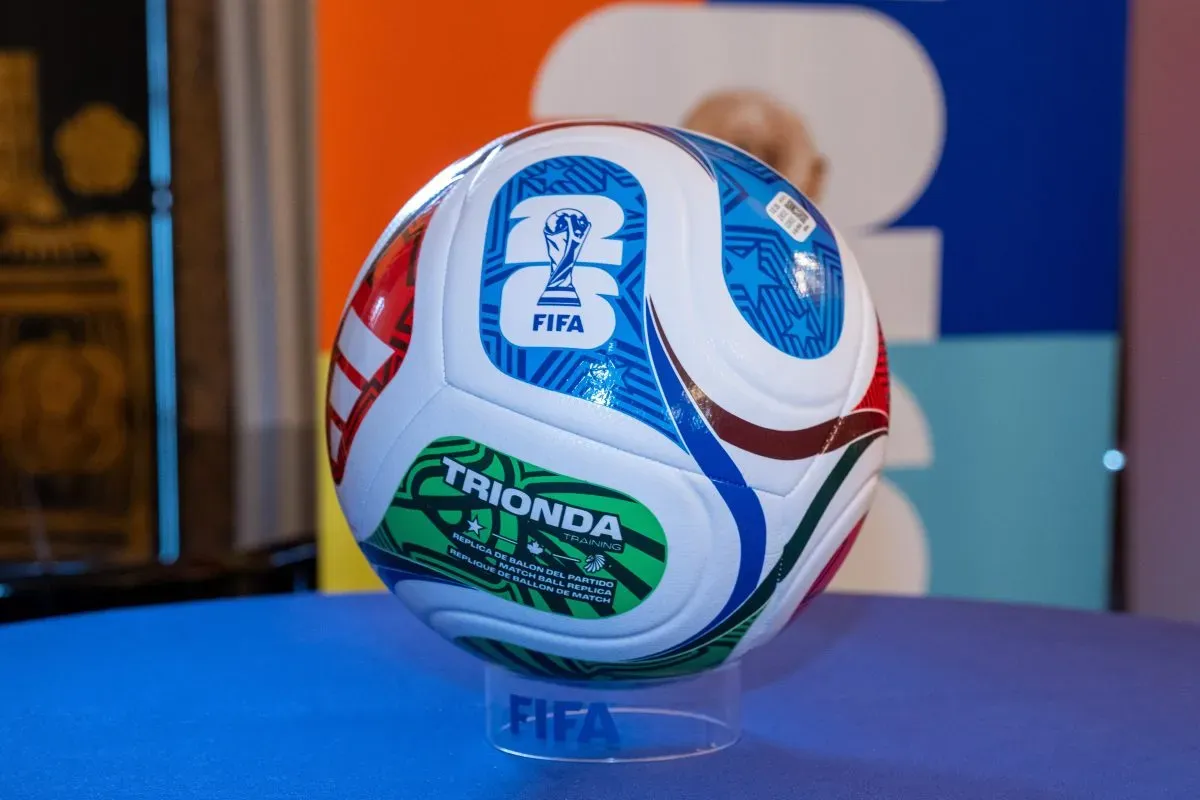
The timing raises serious concerns. Two of those three countries will host the FIFA World Cup starting this Thursday. Millions of international travelers are expected to cross borders for the tournament. Health officials warn that measles, a highly contagious virus, could spread rapidly at large gatherings.
Confirmed Cases and Fatalities Across the Region
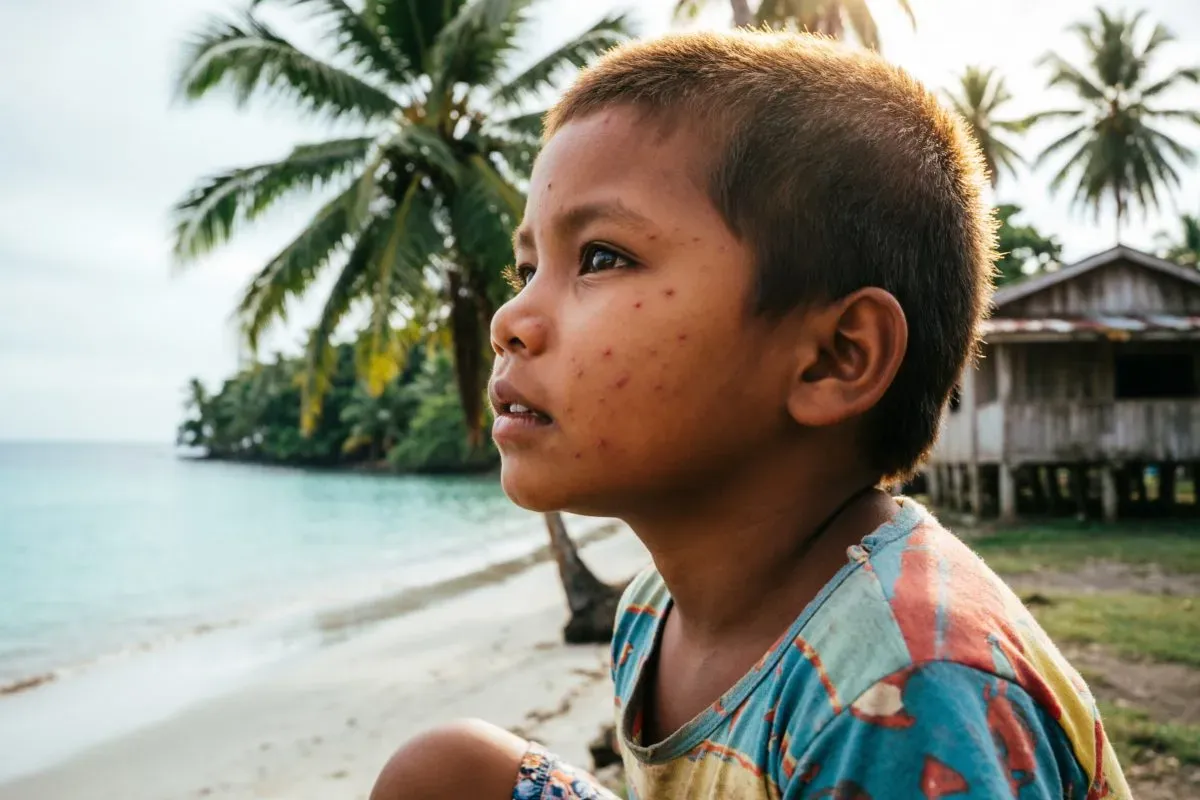
Between epidemiological weeks 1 and 21 of 2026, health authorities confirmed 21,431 measles cases across 17 countries and territories. The outbreak has resulted in 31 deaths so far. Mexico leads the region with 11,184 confirmed cases and 14 fatalities. Guatemala follows with 6,655 cases and 17 deaths. The United States ranks third with 1,983 confirmed cases but has reported no fatalities.
These numbers represent a significant public health challenge. The Pan American Health Organization measles report highlights that approximately 85 percent of confirmed cases involve unvaccinated individuals or people with unknown vaccination status. Infants under one year old show the highest incidence rates.
Approximately 85 percent of confirmed cases correspond to people not vaccinated or with unknown vaccination status. Infants under one year old present the highest incidence rates. [Translated from Spanish]
The organization issued an epidemiological alert on May 29. It developed specific guidance related to the World Cup, including vaccination recommendations for travelers and the general population. Health authorities urge anyone planning to visit host countries to verify their complete measles vaccination schedule before traveling.
Vaccination Gaps and Travel Risks
Measles vaccination coverage in Latin America has declined in recent years. The measles vaccination coverage in Latin America shows gaps that leave populations vulnerable. The virus spreads through coughing and sneezing. It can remain airborne for up to two hours after an infected person leaves a room.
PAHO models suggest a downward trend in Mexico. They indicate stabilization in the United States. But the organization insists the risk of transmission persists. Maintaining high vaccination coverage remains the most effective measure to prevent new outbreaks.
Guatemala, which is not a World Cup host, has seen the highest death toll. The country reported 17 fatalities from 6,655 cases. Health officials there are struggling to contain the spread.
The World Cup brings together fans from every continent. Massive crowds will fill stadiums, public viewing areas, and transportation hubs. This creates ideal conditions for measles transmission. Unvaccinated travelers could carry the virus across borders and introduce it to communities with low immunity.
Health experts recommend checking vaccination records at least two weeks before departure. The measles vaccine requires two doses for full protection. Anyone uncertain about their status should consult a healthcare provider.
The FIFA World Cup begins this week. Organizers expect millions of visitors to Mexico, the United States, and Canada. Public health systems are preparing for potential outbreaks. Emergency response plans are in place at major entry points and event venues.
PAHO continues monitoring the situation closely. The organization urges all countries to strengthen surveillance systems. Rapid detection and response remain critical to controlling the spread of this preventable disease. Vaccination is safe, effective, and widely available. Health officials say it is the single most important tool against measles.