


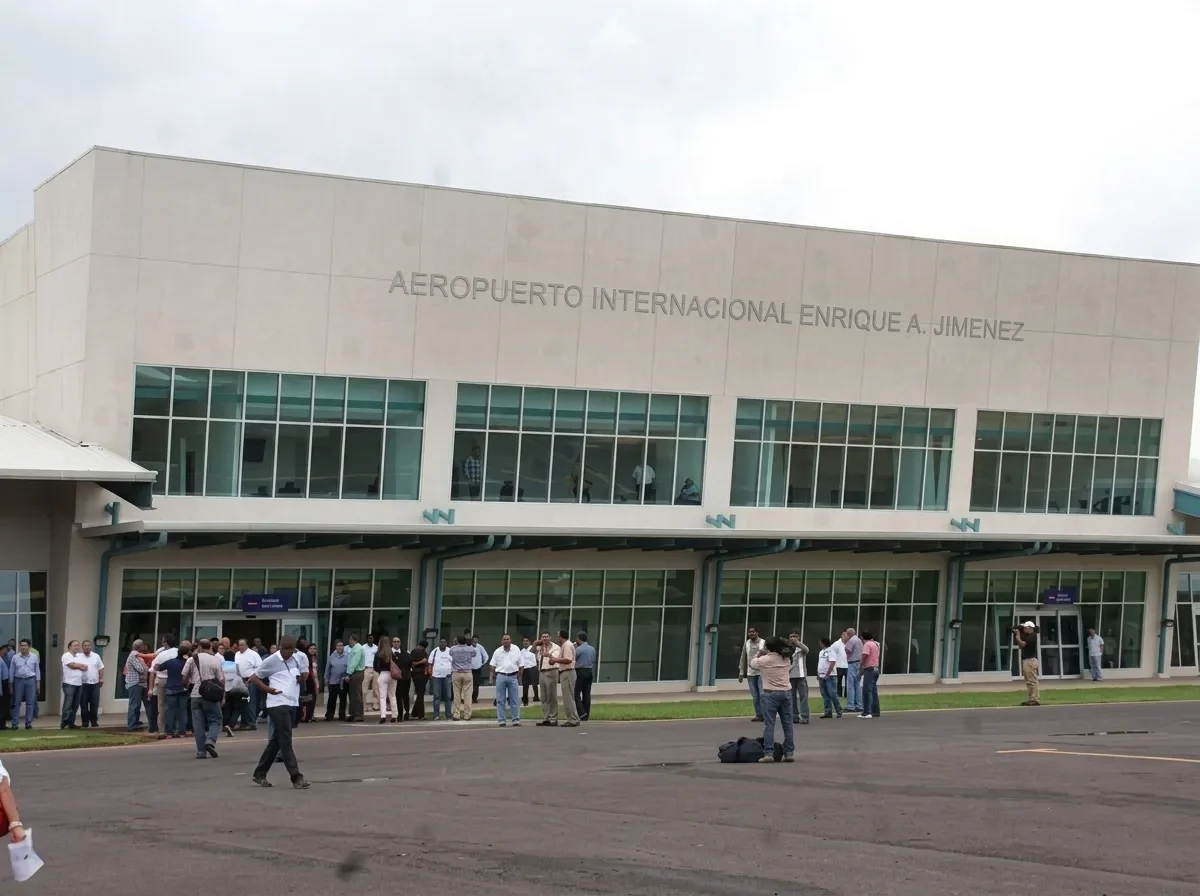
Barely 285 travelers passed through the Enrique Adolfo Jiménez Airport in the first five months of this year, yet its location at the doorstep of one of the hemisphere’s busiest free trade zones has business leaders pushing for a dramatic overhaul. Representatives from the Colón Free Zone want to wrest control of the terminal from Panama’s main airport operator and fold it into a sprawling logistics expansion already reshaping hundreds of hectares next door.
A Terminal Stuck in Low Gear
Official data from Tocumen S.A., the state entity that manages Panama’s airport network, reveals just how quiet the Colón airfield has been. Between January and May 2026, the passenger count totaled 285 people while 1,598 aircraft movements were recorded. Almost all of that traffic involved cargo flights, private aviation, and general aviation operations rather than scheduled commercial service. That anemic activity stands in sharp contrast to the trade dynamism radiating from the Colón Free Zone, a duty-free hub that moves billions of dollars in goods each year along the Panama Canal’s Atlantic flank.
The airfield itself sits on land with a storied military past. Long before it became a civilian facility, the runways served as a U.S. air base known as France Field, then later as a strategic regional transport point. The infrastructure still offers sufficient runway length and tarmac space to support heavier cargo aircraft, an asset that currently gets only fractional use. For years Tocumen S.A. has overseen the airport without installing commercial flight rotations, leaving the terminal a largely dormant asset on prime coastal real estate.
Newfield Reclamation Fuels Ambition
The fresh push to transfer the airport to the free zone’s administration emerged during a logistics cabinet meeting held at the port of Cristóbal on July 23. Dovi Eisenman, president of the Colón Free Zone’s Chamber of Commerce, confirmed to reporters two days later that the business community wants direct management authority over the terminal. The rationale hinges on Newfield, a 280-hectare reclaimed land project abutting the airport that the free zone is developing to house additional warehouses, light manufacturing plants, and logistics parks.
“The Colón Free Zone would like to have some form of management and administration of the Enrique Jiménez Airport, because soon the Newfield area will be developed and it is right next to the air terminal, which could generate a great deal of logistics and passenger flow, taking advantage of the cruise port and other attractions” [Translated from Spanish]

Eisenman explained that coupling air cargo operations with the adjacent commercial expansion could turn the area into a multimodal node, linking maritime freight arriving at nearby container ports, merchandise processed inside the free zone, and airborne shipments bound for regional markets. Business leaders also see untapped tourist potential in tying flights to Colón’s cruise ship terminal and the expanding visitor economy along the Caribbean coast.
Rival Visions and Concession Timelines
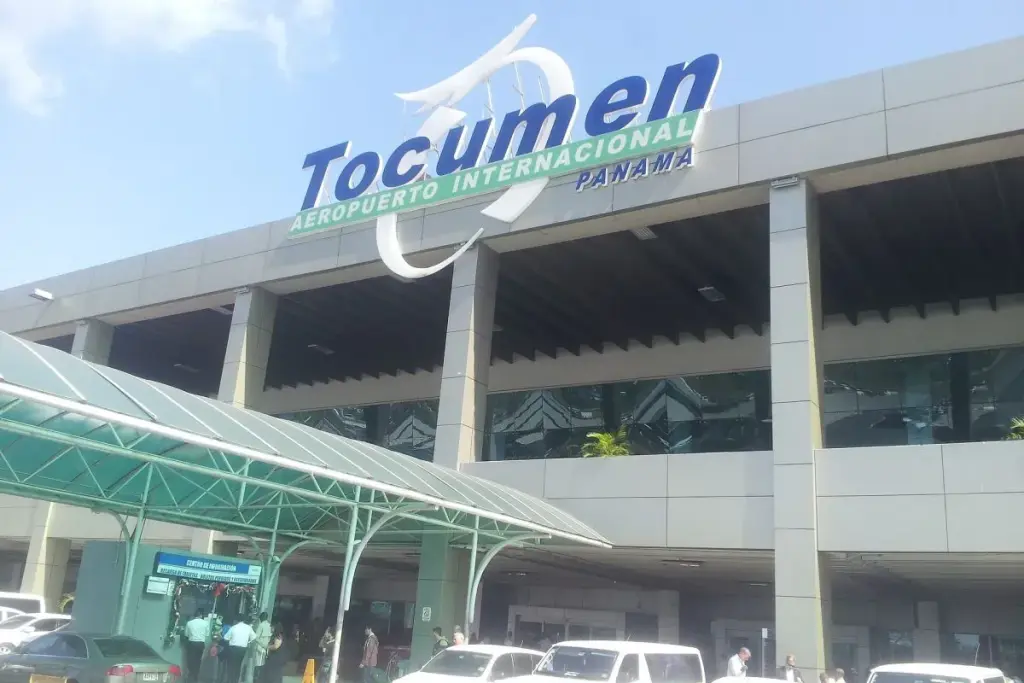
Tocumen S.A. has a separate agenda for the airfield. During the same logistics cabinet session, the airport operator floated the idea of establishing an aeronautical logistics cluster on the site, focused on aircraft repair, maintenance hangars, and ancillary services rather than a full-blown cargo terminal run by the free zone. That plan would keep the facility under Tocumen’s umbrella while nodding to the region’s logistics ambitions.
Meanwhile, the government is preparing to hand over two other regional airports to private operators. Officials indicated that David’s Enrique Malek airport and Río Hato’s Scarlett Martínez field will be concessioned under an operation and maintenance model, a public-private partnership scheme designed to boost productivity without selling off state assets. The target delivery date for both concessions is January 2027. That timeline has free zone executives urging the central government to treat Colón differently, arguing that a simple administrative transfer requires no tender and can be executed far faster than a concession process.
An Administrative Signature, Not a Bidding War
Eisenman emphasized that the proposal does not call for a competitive bidding process, only a political decision by the executive branch. The request lands as Panama’s logistics sector looks to rebound from supply chain disruptions and as the Colón Free Zone seeks to diversify beyond traditional warehouse and re-export operations. Adding an airport to the asset portfolio would give the zone direct control over air freight corridors for high-value electronics, pharmaceuticals, and perishable goods that often pass through the isthmus en route to Latin American and Caribbean markets.
Local entrepreneurs have lined up behind the plan, betting that unified management of land, sea, and now air infrastructure can accelerate cargo turnaround times and attract investment from multinationals seeking nearshoring solutions. For now the quiet runways of Enrique Jiménez await a signal from Panama City, where officials must weigh Tocumen’s maintenance hub concept against the free zone’s bolder integration play. Either path could awaken an airport that today sees more seagulls than passengers.