


The pristine beaches and lush trails of Panama’s protected areas draw thousands of visitors each year. But when an American tourist took a bad step on a rocky path, the response time of local authorities became the difference between a ruined vacation and a manageable mishap.
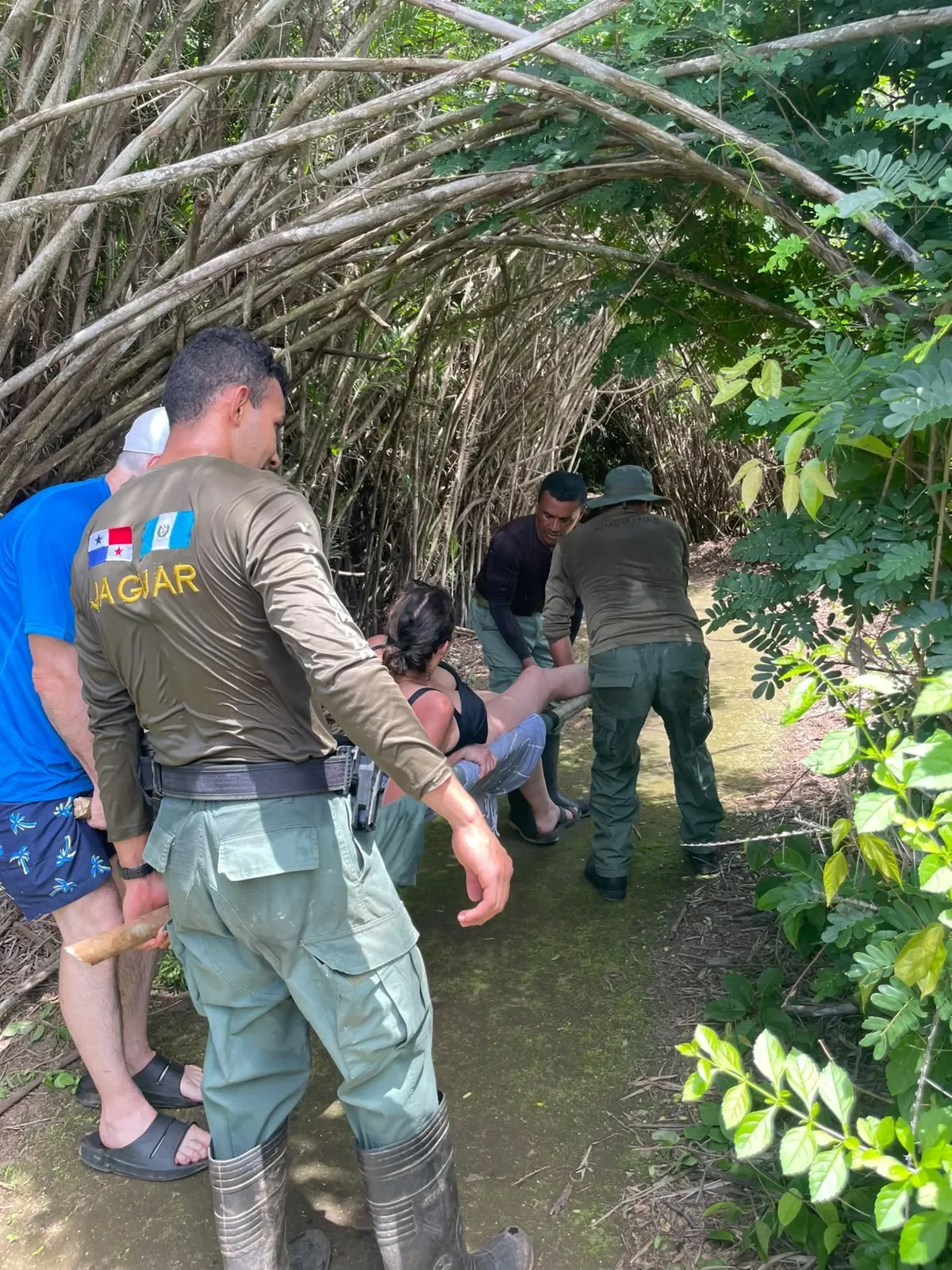
Officers from the Panama environmental police were conducting routine patrols at the Isla Iguana Wildlife Refuge when they encountered a distressed woman near one of the island’s designated walking routes. The tourist, a U.S. citizen whose name has not been released, had stumbled and taken a hard fall directly onto her right knee. The injury left her unable to walk or continue her exploration of the protected zone.
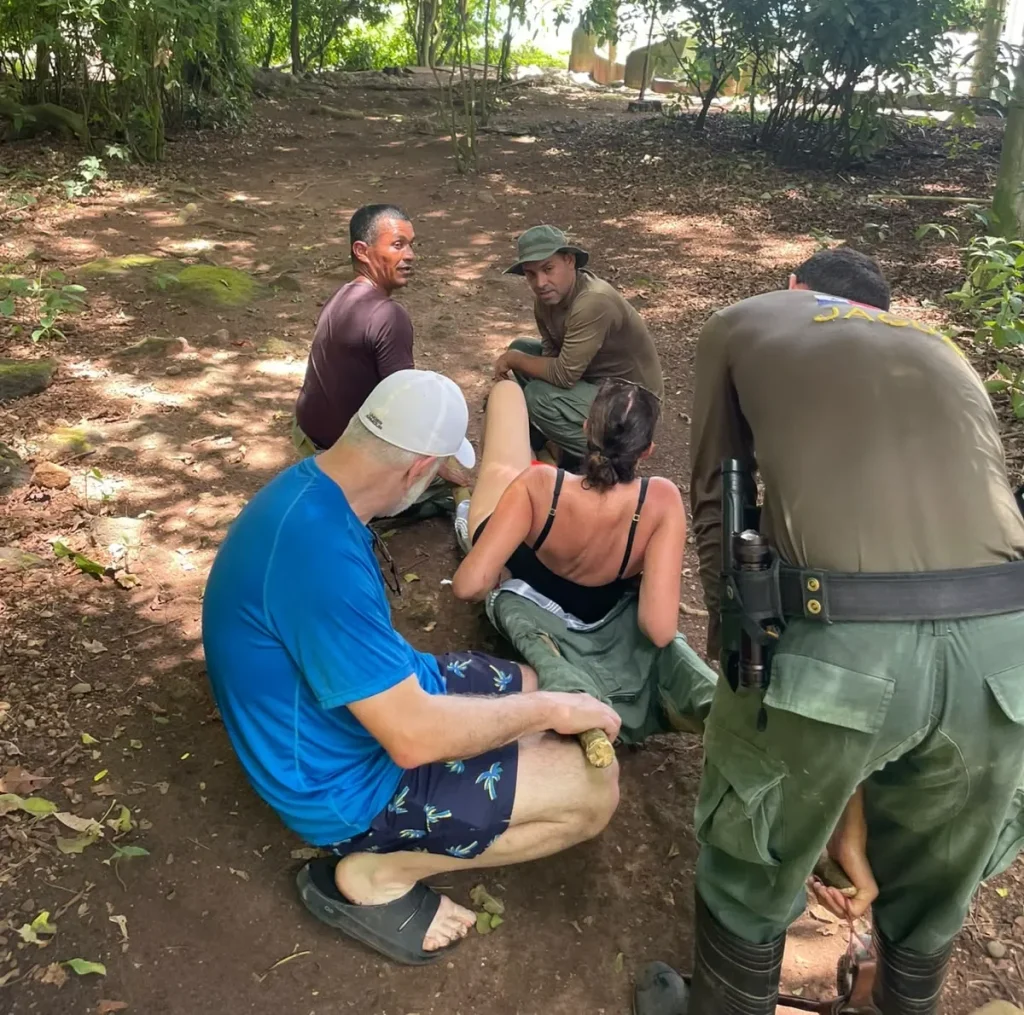
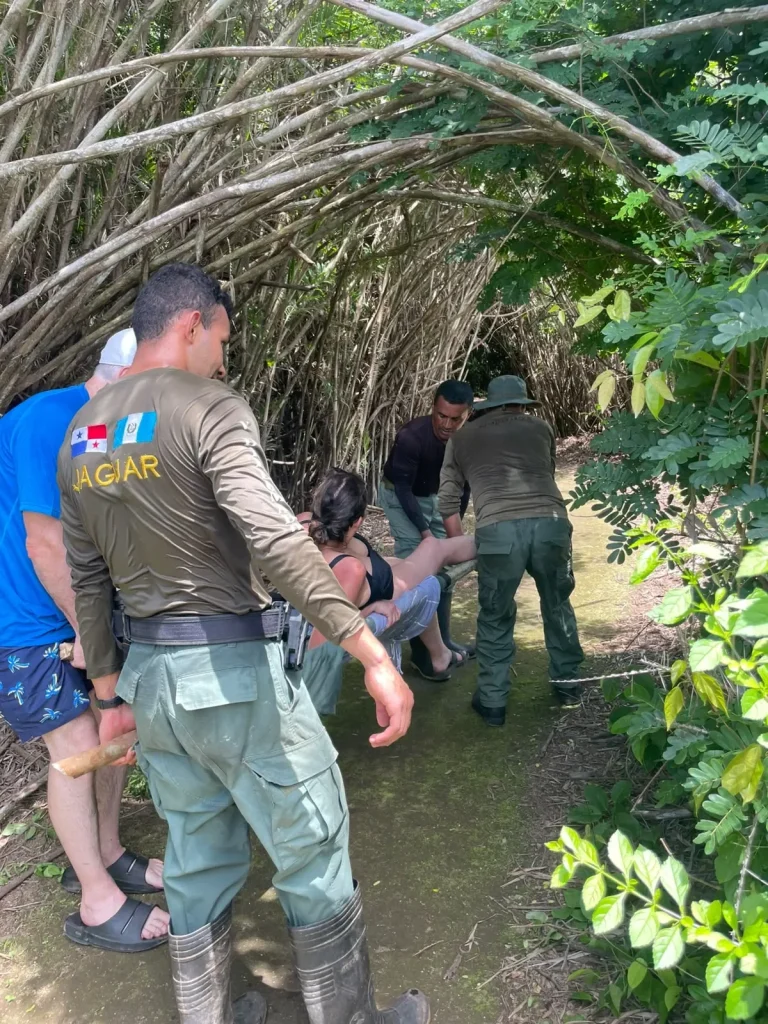
Without hesitation, the patrol team activated the refuge’s emergency response plan. Officers stabilized the woman at the accident site, assessed her condition, and began coordinating a maritime evacuation. Because Isla Iguana sits off the coast of Pedasi in Los Santos province, road access is impossible. The only way to reach advanced medical care is by boat.
A swift official launch transported the injured tourist from the island to the port sector of El Arenal. Waiting medical personnel took over immediately upon her arrival, providing professional evaluation and treatment. The entire operation, from the moment of the fall to the handoff with health workers, unfolded with notable efficiency.
Why Quick Response Matters in Remote Parks
Panama’s protected wildlife areas, including the Isla Iguana Wildlife Refuge, present unique challenges for emergency services. These locations often lack paved roads, reliable cell service, or nearby hospitals. A simple accident can escalate quickly if authorities are not prepared. The environmental police, who typically focus on preventing poaching and illegal fishing, also serve as first responders for the thousands of hikers, swimmers, and birdwatchers who visit these sites annually.
Isla Iguana itself is a small but ecologically rich island known for its coral reefs, nesting seabirds, and sandy beaches. It attracts both international tourists and local visitors seeking a day trip from the Azuero Peninsula. The refuge is managed under strict environmental regulations, meaning that any rescue operation must balance human safety with minimal disruption to the fragile ecosystem.
The incident serves as a reminder that adventure travel carries inherent risks. Even well-maintained trails can hide loose rocks or uneven terrain. For visitors, the presence of trained patrols offers a layer of security that allows them to enjoy Panama’s natural wonders without constant fear. For authorities, each rescue operation provides valuable data that can improve future emergency protocols.
This was not a dramatic life-or-death scenario involving helicopters or cliffside extractions. It was a straightforward, professional response to a common hiking injury. But for the American traveler, the outcome meant the difference between hours of pain on a remote beach and prompt medical attention. The Iguana Island Wildlife Refuge continues to demonstrate that conservation and public safety can work hand in hand.
Panama’s environmental police have handled similar situations in other protected zones, including the Bocas del Toro archipelago and the Darien region. Their dual role as guardians of nature and protectors of people reflects a broader trend in Latin American park management, where enforcement officers increasingly receive training in basic first aid and emergency evacuation techniques.
For now, the American tourist is recovering. The officers have returned to patrol. And the trails of Isla Iguana remain open, waiting for the next wave of explorers who trust that help is never too far away.