


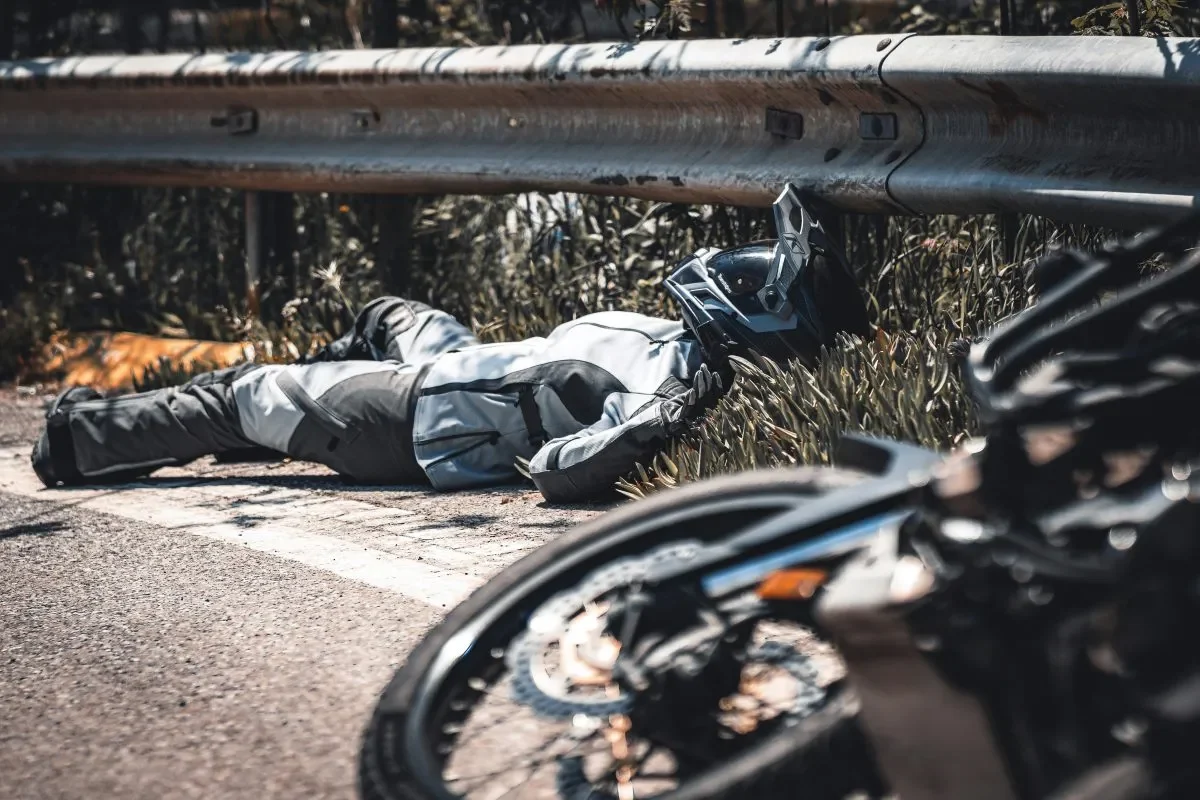
A weekend of bloodshed across Panama left four people dead in under 24 hours, including a 13-year-old boy, highlighting a deeply troubling pattern of youth homicides that continues to challenge authorities and terrify communities. The attacks, concentrated in the metropolitan area and the Caribbean province of Colón, underscored how quickly armed violence can snuff out young lives in neighborhoods already scarred by gang activity and the proliferation of guns.
Youth Homicides and the Vulnerability of Teens
The youngest of the recent victims was only 13 years old. He was intercepted by gunmen on a motorcycle near the main entrance of a minisuper in Santa Librada, a densely populated sector of San Miguelito. Neighbors reported hearing a volley of shots before finding the boy collapsed on the ground. That killing followed an eerily similar attack earlier the same day in Cerro Batea, also in San Miguelito. There, a 16-year-old spent what would be his final moments sitting outside a rotisserie, playing domino with friends, when two assassins on a motorbike pulled up and opened fire. Video of the scene, later shared on social media, showed the teenager apparently relaxed moments before the ambush.
These back-to-back youth homicides are not isolated tragedies. Across Panama, authorities have noted a disturbing rise in the number of minors directly targeted by armed criminals. In many cases, the attackers themselves are young, recruited by street gangs and equipped with easily accessible weapons. The phenomenon has pushed the issue of teenage safety to the top of the public agenda, even as law enforcement grapples with a surge in contract-style killings that often leave little time for intervention.
A Wave of Violence Spanning Panama and Colón
The cycle of death did not end with the two San Miguelito teenagers. In Villa Unida, a community on the northern outskirts of the capital, an 18-year-old was caught in the middle of a shootout. First responders rushed him to the Policlínica de Nuevo San Juan in El Giral, but he arrived without vital signs. Investigators are still piecing together whether the young man was a target or simply an innocent bystander in a turf war between rival groups.
Meanwhile, on the Caribbean coast, a man was found dead in Pilón Centro, Colón province. Those living nearby recalled hearing a rapid succession of gunfire during the night. When the echoes died down, the victim’s body was discovered on the ground, marking the fourth killing in a single day. The geographical spread of the attacks, from the dense neighborhoods of Panama City’s periphery to the provincial city of Colón, points to a security crisis that does not respect municipal boundaries.
The Growing Footprint of Contract Killers
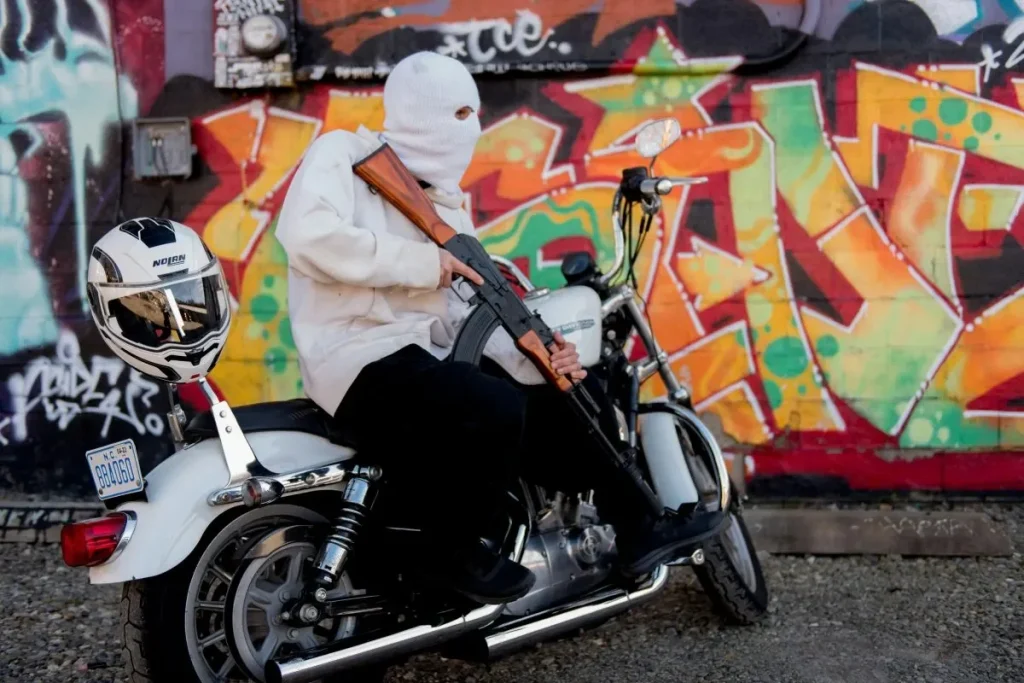
Motorcycles feature prominently in all four incidents, a calling card of the sicario method that has increasingly gripped Panama’s urban areas. Hitmen on two wheels can navigate traffic-choked streets and narrow alleys with ease, striking their targets and disappearing before police can arrive. The Homicide Division of the Public Ministry has confirmed that national contract killers, particularly those operating in the metropolitan region, are more active than ever. This evolution from opportunistic street crime to organized, paid executions reflects deeper fractures in local communities and weak control over illegal firearms.
Youth homicides carried out by hired guns often stem from settling of scores within and between gangs. The victims, many still adolescents, are sometimes lured into criminal networks through promises of money or protection, only to become disposable when rivalries escalate. The use of minors as both perpetrators and targets has created a vicious cycle where the line between victim and offender blurs, and entire neighborhoods live under the constant threat of retaliation.
Residents Demand Security Amid Legislative Proposals
In the hours after the four killings, residents of Santa Librada, Cerro Batea, Chilibre, and Pilón Centro made their voices heard in makeshift community meetings and on local radio. The message was uniform: more police patrols, better street lighting, and swift justice for those who order and carry out the shootings. Families expressed a sense of helplessness, saying that authorities only appear after a body has been counted, rarely before.
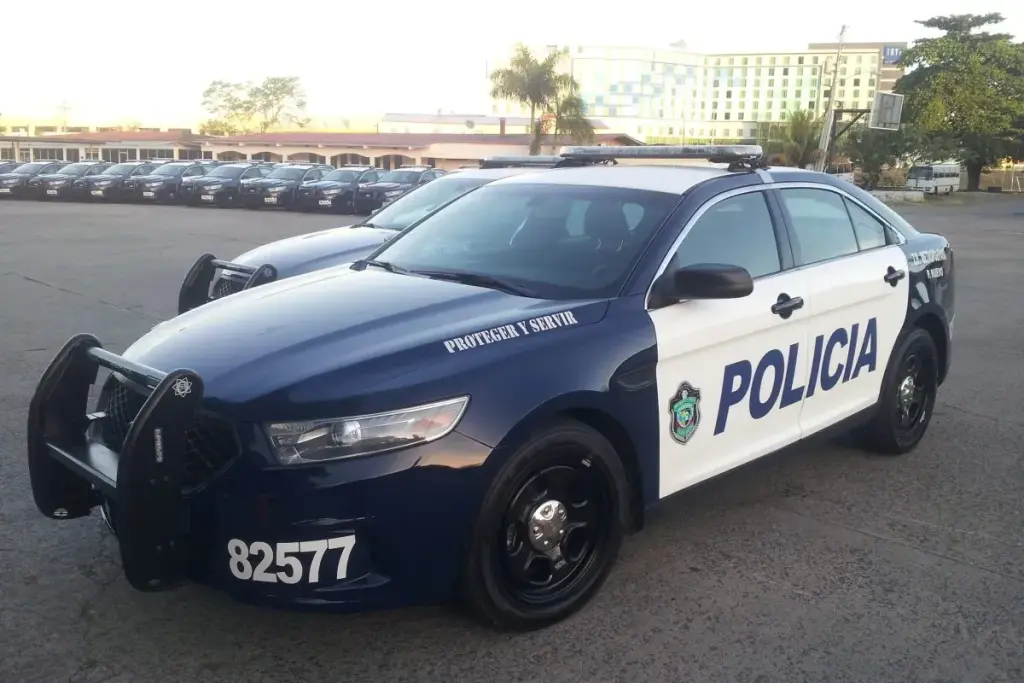
The political response has included renewed discussion of stiffer criminal penalties. Lawmakers have proposed increasing prison sentences for individuals who violate protective measures meant to shield domestic violence victims, part of a broader attempt to tighten the justice system’s response to all forms of violent crime. While such measures address part of the insecurity puzzle, grassroots organizations argue that real progress on youth homicides will require sustained investment in education, employment, and social services for at-risk populations. Without those building blocks, they say, the drumbeat of teenage funerals is unlikely to stop anytime soon.
Ultimately, the four deaths in 24 hours reveal just how fragile the social fabric has become in several Panamanian communities. Behind each statistic is a name, a family, and a future cut short by the pull of a trigger. As investigators gather forensic evidence and interview witnesses, the bigger question looms: whether the country can move past reactive policing and build the kind of prevention networks that keep children alive long enough to become adults.