


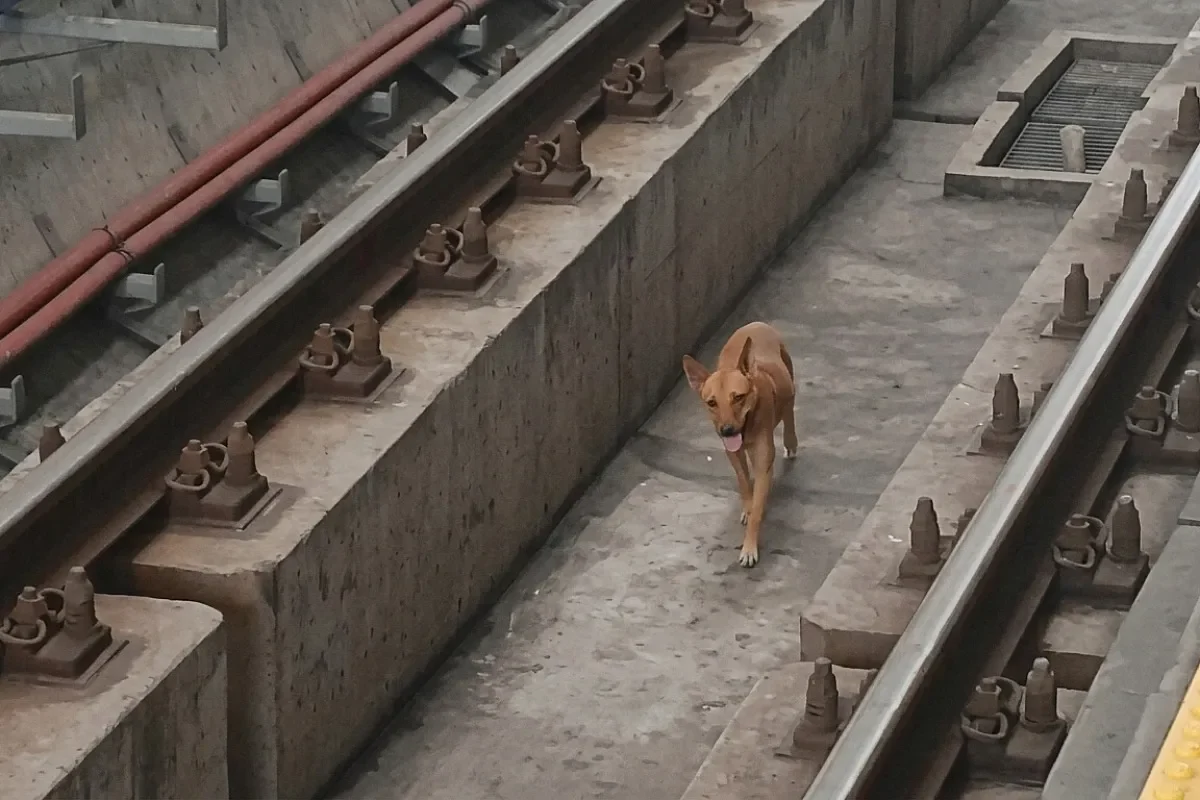
A stray dog on tracks between two northern stations brought Panama City’s Metro Line 1 to a temporary stop on Sunday morning, August 16, 2026. The animal entered the rail corridor near Villa Zaita and San Isidro around 9:45 a.m., forcing train operators to suspend movement while rescue crews worked to remove it safely.
Rescue Operations for Dog on Tracks Near Villa Zaita
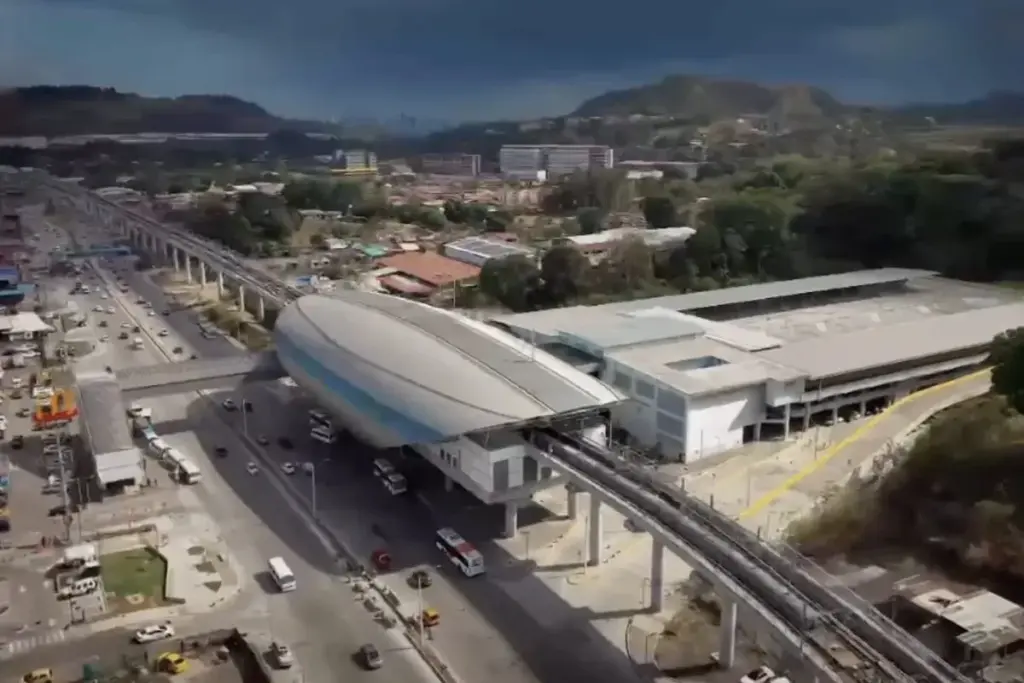
The dog was running back and forth along the rails, making it difficult for Metro personnel to approach. Crews stopped trains in both directions as a precaution while they attempted to bring the animal under control. The incident occurred between Villa Zaita, the northern terminus of Line 1, and San Isidro, one of the line’s newer stations.
According to Metro staff, the rescue did not take long once the dog was cornered in a safe zone. The animal was then removed from the tracks, and workers checked the rail corridor before allowing trains to resume. No train came into contact with the dog, and the operator did not report any damage to infrastructure.
Rail operations at that hour were lighter than a weekday rush, but the line still serves a steady flow of Sunday travelers, including families and workers heading into the city. The dog’s movement between the rails kept crews from using a simple approach, and the rescue required patience from both staff and waiting passengers.
Partial Service Keeps Commuters Moving Through Albrook and San Miguelito
While the rescue unfolded, Metro de Panamá enabled partial service between Albrook and San Miguelito in both directions. That stretch covers the central and eastern portion of Line 1, including major transfer points and the city’s bus terminal at Albrook. Four stations remained out of service during the interruption: Pan de Azúcar, Los Andes, San Isidro, and Villa Zaita.
Hundreds of riders experienced delays, and many chose to leave the platforms and switch to Metro Bus routes to reach their destinations. Sunday morning traffic around the affected northern stations grew heavier as passengers sought alternative ways to continue north toward San Miguelito and beyond. The partial operation helped contain the disruption, but the sudden halt still rippled through the transit network.
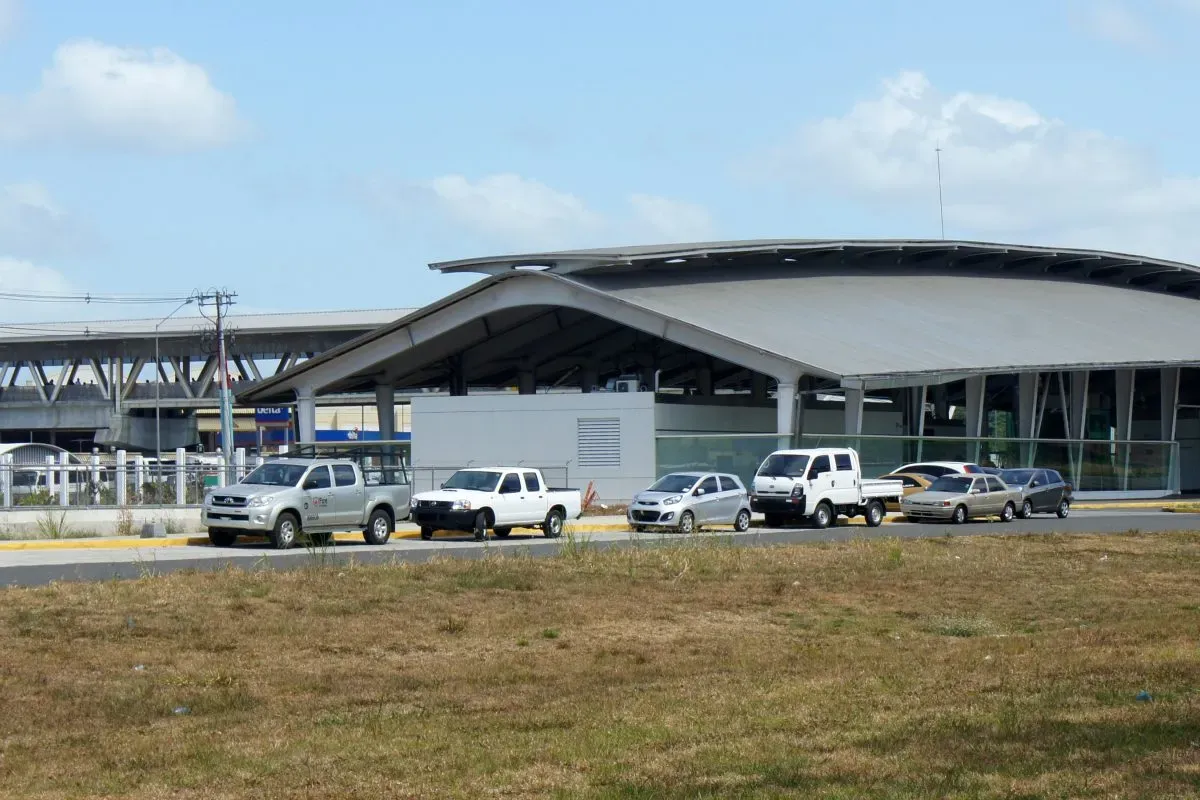
At Albrook, where the Metro connects with the national bus terminal, riders who normally transfer to northern stations faced a gap in service. Metro Bus operators reported an uptick in passenger volume at stops near Pan de Azúcar, Los Andes, San Isidro, and Villa Zaita. The partial arrangement lasted only until the dog was safely removed, but for many commuters it meant a longer journey.
Metro Line 1‘s Role in Panama City’s Daily Transit Network
Panama City’s Metro Line 1 is the backbone of the country’s mass transit system. Since opening in 2014, it has expanded from the Albrook bus terminal to Villa Zaita, serving densely populated districts such as San Miguelito. On a typical weekday, the line moves hundreds of thousands of passengers, and even on a Sunday, a stoppage of just a few minutes can affect large crowds.
The northern extension, which includes Los Andes, San Isidro, and Villa Zaita, brought rail service to communities that previously relied almost entirely on buses and private cars. That expansion has made Line 1 even more critical for residents commuting to central Panama City. Sunday’s incident demonstrated how quickly a single unexpected event can interrupt that vital corridor.
Line 1’s northern terminals serve some of the most populated sectors of the metro area. Villa Zaita sits near the boundary of Panama City and San Miguelito, a district with one of the highest population densities in the country. The 2023 extension brought rail access to tens of thousands of additional residents, reducing travel times that once required multiple bus transfers.
How Urban Rail Systems Respond to Animal Intrusions
Animal intrusions are not uncommon in urban transit networks, especially in areas where rail lines run at grade or near open spaces. Operators typically stop train movement immediately when an animal is spotted on the tracks to avoid collisions and allow safe removal. Panama Metro has fencing and monitoring in many sections, but dogs and other animals occasionally find access points near station areas.
After several minutes, Metro personnel successfully rescued the dog and restored full service across Line 1. The four northern stations reopened, and trains returned to normal schedules. Metro officials said the incident was resolved without further complications, and they reminded the public to report any animals near rail corridors.
Across Latin America, metro systems in cities like Santiago, Mexico City, and Medellín have dealt with similar incidents involving stray dogs. Some transit agencies have built animal shelters near stations or partnered with local rescue groups. Panama Metro has not announced any new measures following Sunday’s event, but the episode could renew conversations about securing access points along the northernmost segment.
Urban rail systems constantly balance efficiency with safety, and Sunday’s rescue showed that even a small animal can trigger a systemwide response. While the delay frustrated some passengers, the outcome protected both the dog and the integrity of the line. The incident also highlighted the need for continued investment in barriers and monitoring around above-ground sections of the Metro, particularly where stations meet surrounding neighborhoods.