


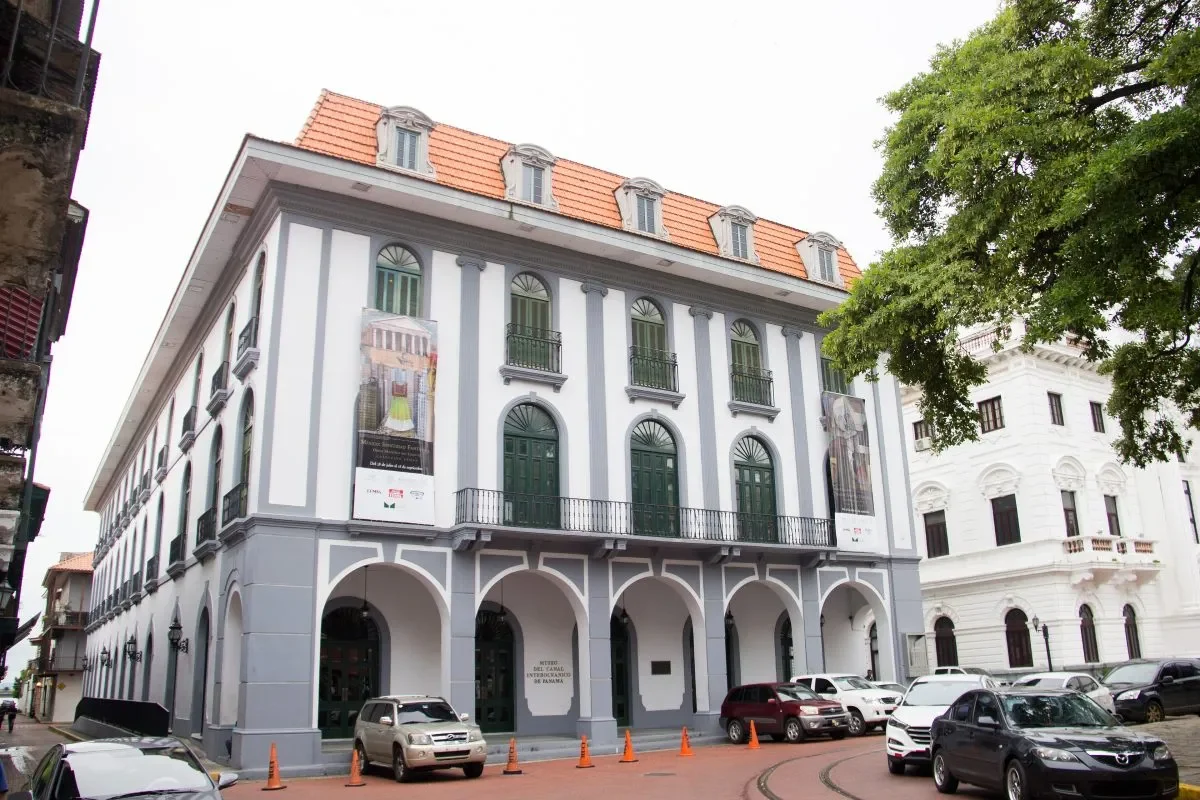
Students from Chiriquí province traveled hours across the country to stand inside the Panama Canal Museum for the first time, gazing at artifacts that tell the story of how a narrow strip of land transformed global trade. They were among the families, tourists, and young learners who filled the museum’s halls during a special open house in Casco Antiguo, held to commemorate the 112th anniversary of the interoceanic waterway’s operations.
Panama Canal Museum Opens Doors to National History
The open house kicked off at 9:00 a.m. and drew a steady stream of Panamanian and international visitors throughout the day. School groups arrived from across the country, eager to explore exhibits that recount the canal’s construction, the people who built it, and the profound transformations it sparked in Panama and around the world. For many young attendees, the visit marked their first encounter with the capital city itself.
One student from Chiriquí shared his impressions while taking in the displays.
“This is the first time I’ve visited the Casco Antiguo museum. It’s very beautiful and all the antiques here are very impressive,” he said [Translated from Spanish].
That sense of discovery rippled through the building as visitors moved from room to room, tracing a narrative that stretches back well before the canal’s first lock gates opened.
A Timeline That Spans Centuries of Isthmus History
The museum’s curatorial approach goes far beyond the engineering marvel most visitors expect. Its eleven permanent and temporary exhibition halls guide guests through the geological emergence of the isthmus, pre-Colombian societies, and the colonial trade routes that once crossed the narrow land bridge. The French canal attempts of the 1880s receive careful attention, as do the American construction era, the Torrijos-Carter Treaties, the full recovery of Panamanian sovereignty in 1999, and the canal’s 2016 expansion.
A museum representative underscored the institution’s broader mission during the event.
“The Panama Canal Museum doesn’t only focus on the Panama Canal, but we cover the history of our isthmus and our country from the time of the isthmus’ emergence, going through different stages, and ending with the expansion of the Panama Canal,” the representative explained [Translated from Spanish].
Technological resources supplement the historical objects throughout the galleries, creating an immersive experience that connects past and present.
Educational Value and Visitor Engagement at the Panama Canal Museum
Between 8,000 and 10,000 people walk through the museum’s doors each year, a figure that reflects both its cultural significance and its role as an educational institution. The open house format allows broader access for those who might not otherwise make the trip, particularly families from interior provinces. Teachers accompanying student groups often use the visit to complement classroom lessons about national identity and economic development.
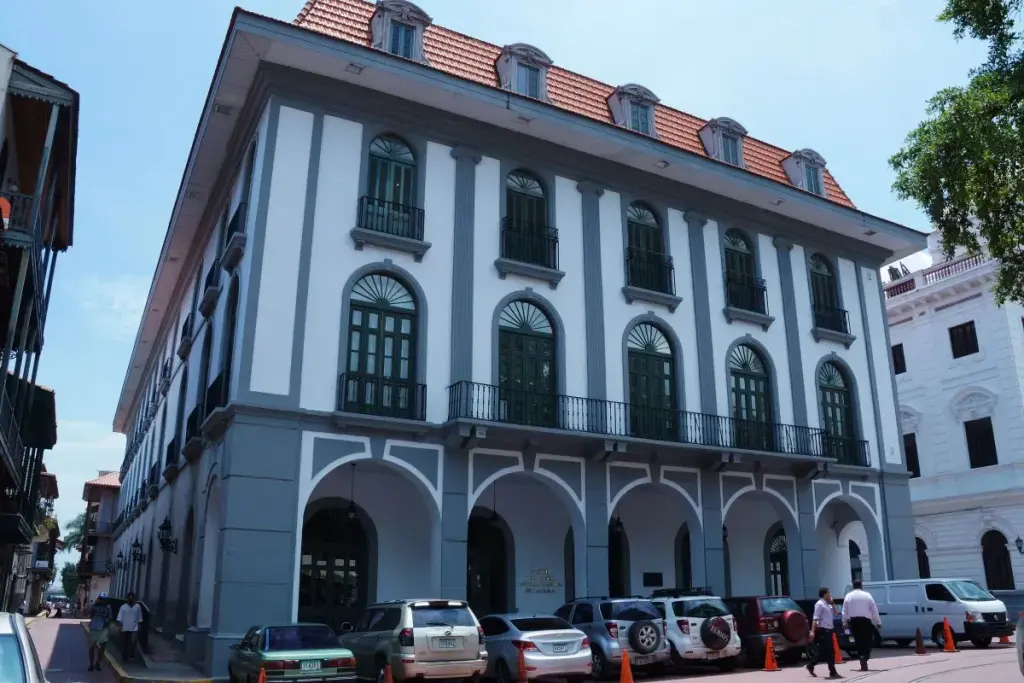
The museum occupies a privileged position in Casco Antiguo, the historic district of Panama City that itself carries UNESCO World Heritage designation. That setting reinforces the layered history on display inside, where colonial architecture frames a story that reaches into the twenty-first century. The nearby waterfront serves as a reminder of the maritime activity that has defined Panama’s economy and international standing for more than a century.
Commemorating 112 Years of Global Trade and National Sovereignty
The Panama Canal officially began operations on August 15, 1914, when the SS Ancon completed the first transit. Since then, more than a million vessels have passed through its locks, connecting Atlantic and Pacific markets while reshaping Panama’s demographic and political landscape. The 112th anniversary arrives at a moment when the waterway continues to adapt to changing shipping patterns and climate pressures on water supply.
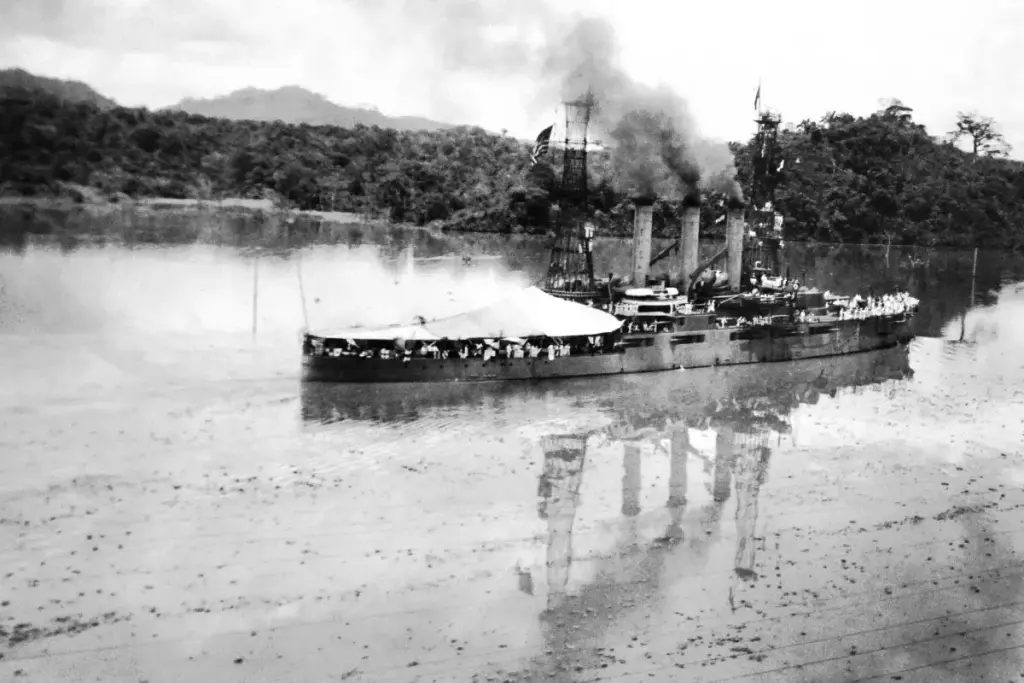
For visitors to the Panama Canal Museum during this anniversary celebration, the experience offered more than a chronological recounting of dates. It provided a tangible link to the laborers, engineers, diplomats, and everyday Panamanians whose combined efforts carved a nation’s identity from the isthmus itself. That connection remains the museum’s strongest draw, bridging generations and geographies under one roof in the old quarter.
Ultimately, the open house served as a reminder that the canal’s legacy extends far beyond ships and locks. It lives in the collective memory of Panamanians who grew up hearing stories of the construction era, in the pride of sovereignty reclaimed, and in the curiosity of students seeing their history up close for the very first time. As the waterway enters its 113th year, institutions like this ensure the story continues to be told with accuracy, depth, and wide-reaching appeal.