


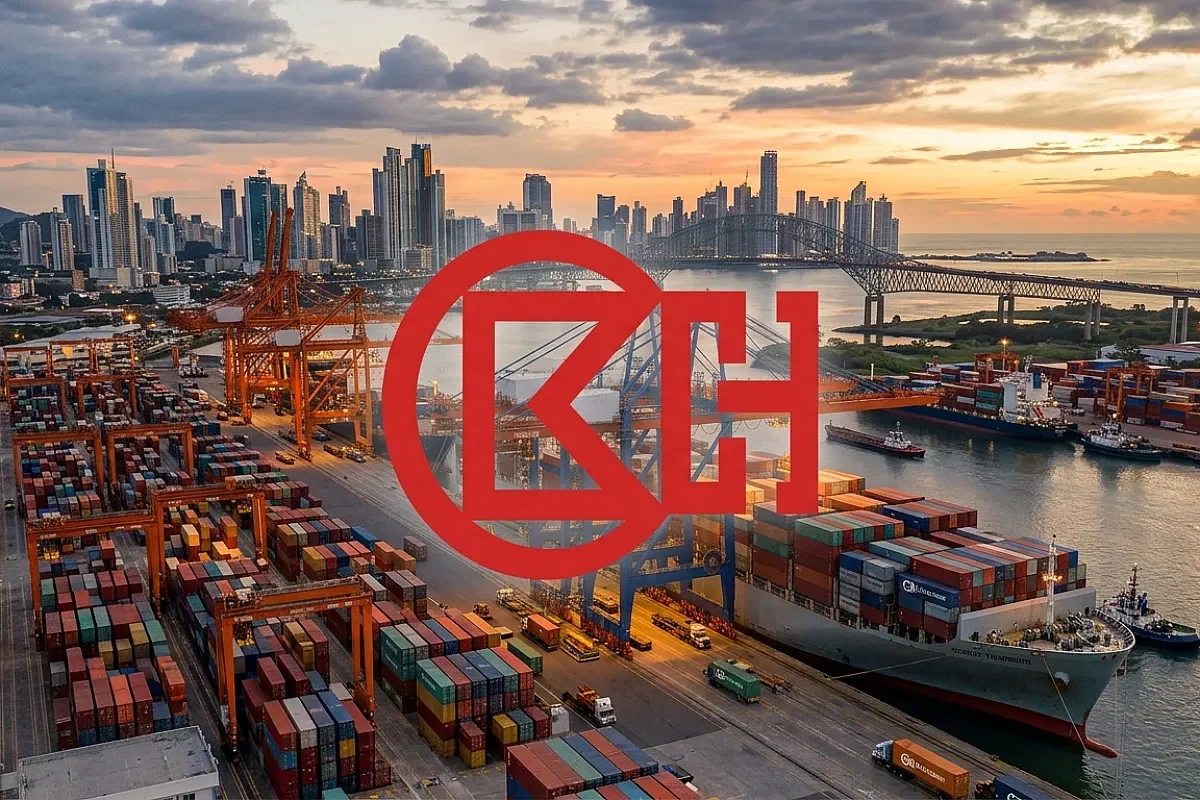
A $1.5 billion port arbitration claim has thrust Panama into a high-stakes legal confrontation with Hong Kong conglomerate CK Hutchison, threatening to redefine the country’s relationship with foreign investors in strategic infrastructure. The company revealed on Wednesday, August 19, 2026, that it had initiated international arbitration proceedings after its subsidiary, Panama Ports Company (PPC), was stripped of operating rights to the Balboa and Cristóbal ports at opposite ends of the Panama Canal.
The filing follows a January Supreme Court ruling that declared PPC’s 1997 concession contract unconstitutional, effectively terminating a key significant port operations in Latin America. CK Hutchison said it notified Panamanian authorities of the investment dispute on February 4, 2026, and pursued a negotiated resolution before resorting to formal arbitration. Those efforts collapsed without an agreement.

1997 Concession Agreement Under Legal Fire
The legal battle traces its origins to 1997, when the administration of Ernesto Pérez Balladares granted Panama Ports Company a long-term concession to operate Balboa on the Pacific coast and Cristóbal on the Atlantic side. For nearly three decades, the arrangement anchored Panama’s port infrastructure, positioning the country as a critical transshipment hub for global maritime trade connecting Asia, the Americas, and Europe.
Comptroller General Anel Flores mounted the first major legal challenge on July 30, 2025, filing an unconstitutionality lawsuit before the Supreme Court alongside a separate demand for nullification of the 1997 contract. Flores based the actions on findings from a comprehensive audit that, according to his office, uncovered practices detrimental to Panama’s national interests. The comptroller’s intervention signaled a decisive shift in how Panamanian authorities viewed the decades-old concession.
Constitutional Violations and Sovereignty Concerns
Attorney General Luis Carlos Gómez reinforced the challenge with a fiscal opinion in February 2025, asserting that the contract between the State and PPC violates 15 separate articles of the Constitution. His analysis identified multiple structural problems, including the improper transfer of rights that belong exclusively to the State, with consequences for social welfare, public interest, and fair market competition. The attorney general also flagged provisions allowing the company to exploit areas beyond the original concession boundaries.
Perhaps the most contentious provision concerned government decision-making authority. The contract allegedly required Panama to consult PPC and obtain prior approval before granting any future concessions on State property. Legal scholars and constitutional experts argued this arrangement effectively subordinated Panama’s sovereign authority over its own territory to a private corporate entity. The Supreme Court’s full bench agreed, ruling on January 29 that the concession violated articles 1 and 2 of the Constitution, which establish Panama’s sovereignty and territorial integrity.
Port Arbitration Proceedings and Investment Claims
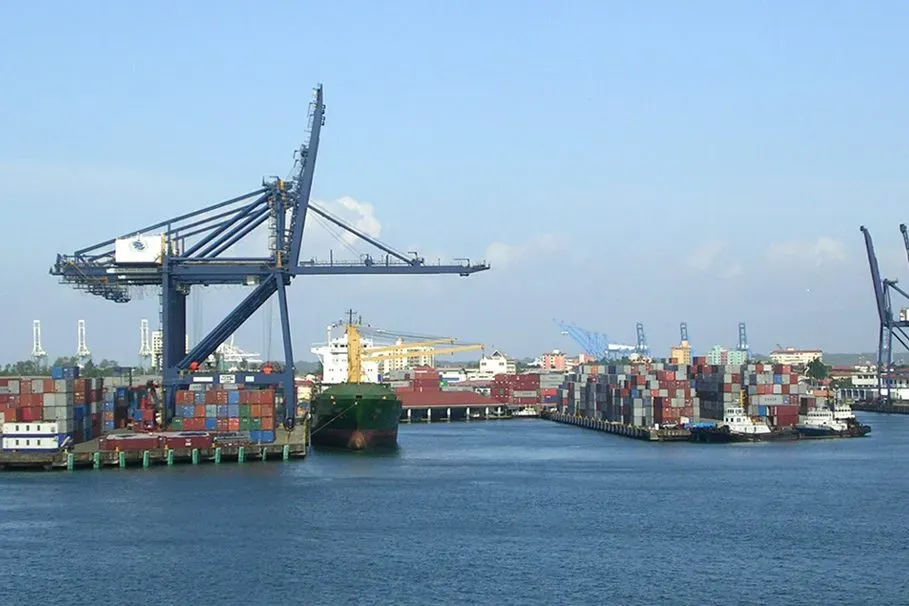
The international port arbitration initiated by CK Hutchison represents just one dimension of a broader legal offensive. A separate claim filed by Panama Ports Company seeks an additional $2 billion in damages, bringing the combined exposure for Panama to $3.5 billion across two independent proceedings. The Hong Kong conglomerate has framed the situation as a breach of an investment protection treaty, arguing that Panama’s actions since early 2025 amounted to a coordinated campaign against foreign capital in the port sector.
“The company maintains that Panama’s treatment of its port investments constitutes a breach of an investment protection treaty” [Translated from Spanish]
Legal analysts familiar with investment arbitration note that treaty claims often hinge on whether government actions crossed the line from legitimate regulation into expropriation without compensation. Panama’s Supreme Court ruling, while grounded in constitutional law, has exposed the country to exactly this kind of international scrutiny. The government has not publicly detailed its defense strategy, but officials are expected to argue that the 1997 contract was fundamentally defective from its inception.
Regional Investment Climate and Economic Repercussions
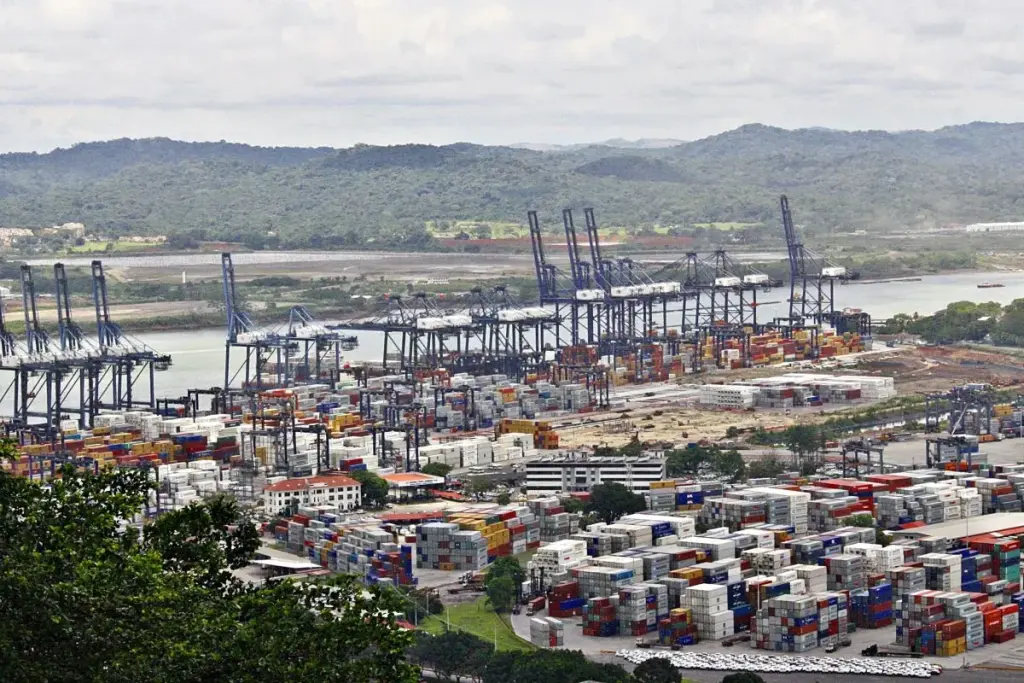
The port arbitration carries implications that extend well beyond the courtroom. Balboa and Cristóbal rank among the busiest container terminals in the Americas, handling millions of containers annually as vessels transit the Panama Canal. Any prolonged disruption to their operations could ripple through global supply chains already strained by geopolitical tensions and shifting trade patterns. The outcome will also inform how multinational corporations assess Panama’s reliability as an investment destination.
Across Latin America, disputes over infrastructure concessions have become increasingly common as governments assert greater control over strategic assets while investors demand treaty protections. Panama now finds itself at the center of this tension, balancing its constitutional prerogatives against commitments made under international investment agreements. Arbitration panels have awarded substantial damages in similar cases, but sovereign states retain meaningful defenses rooted in public policy and constitutional order.
Ultimately, the $1.5 billion port arbitration filed by CK Hutchison stands as a pivotal test for Panama’s legal system, its investment climate, and its vision for managing critical maritime infrastructure. What began as a routine concession in the post-Canal-transfer era has evolved into a full-blown international legal confrontation. The tribunal’s eventual ruling will shape not just Panama’s port sector but also the broader framework for foreign investment across the region for years to come.