


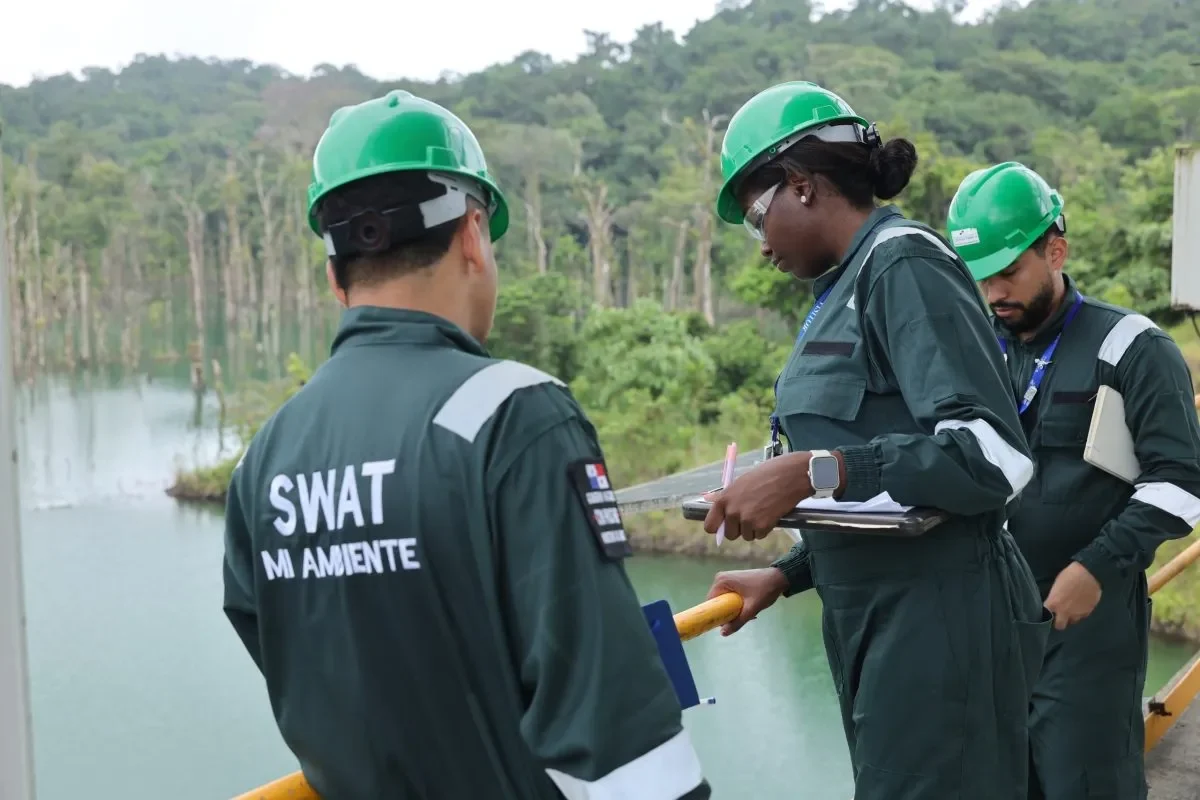
At the shuttered Cobre Panama copper mine in Donoso, Colón province, a drone sweeps over a tailings pond while a microbiologist collects water samples downstream. These scenes capture the daily reality of Panama mine monitoring more than two years after the site stopped producing. Since 2024, a multidisciplinary team of more than a dozen scientists from the Ministry of Environment, known as MiAMBIENTE, has maintained a permanent watchdog presence at the project, inspecting everything from soil chemistry to the health of nearby rivers.
The mine, once among Central America’s largest copper operations, closed in late 2023 after Panama’s Supreme Court declared its concession contract unconstitutional. The ruling followed months of nationwide protests over the project’s environmental and social footprint. But closure did not end the state’s obligations. The Ministry of Environment built a specialized inspection unit called the Directorate of Environmental Performance Verification, or DIVEDA, which now operates full time at the site.
Panama Mine Monitoring at the Donoso Site
The DIVEDA team represents a broad cross section of Panamanian scientific expertise. A director specializing in ecology and water resource management leads the group. An environmental engineer and diver coordinates oversight of large-scale works. The roster also includes a nuclear chemical engineer, a civil geotechnical engineer, a geological engineer, a forest engineer, a microbiologist, a bioindicator biologist who dives, two biologists, two chemists, a lawyer, an environmental auditor, a water resources engineer and a sociologist.
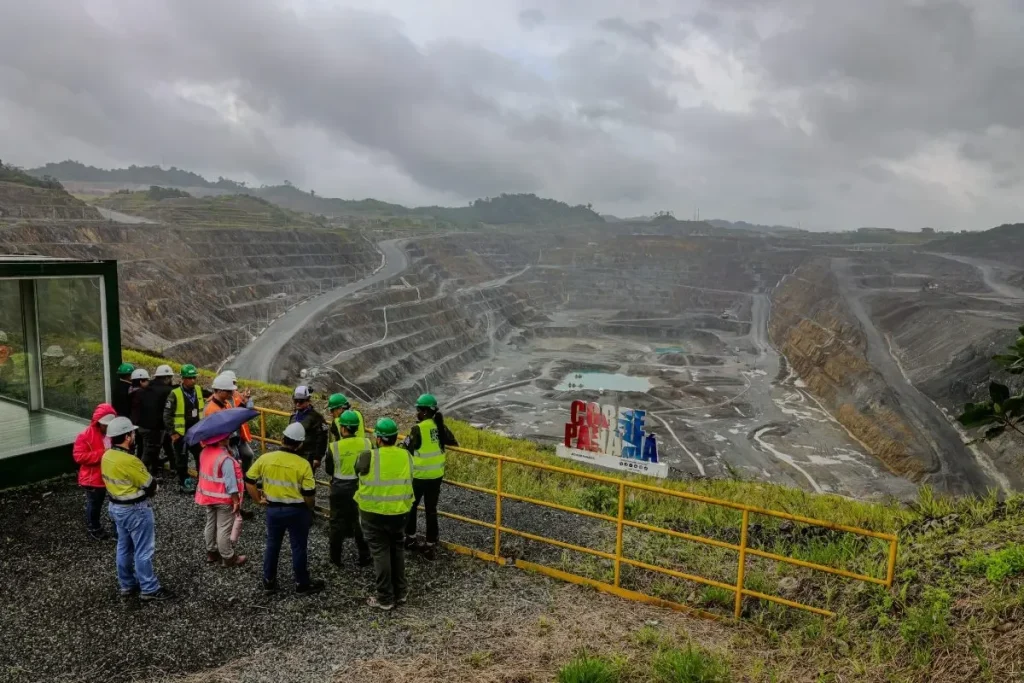
Armed with drones, modern measurement equipment and their own laboratories in Canelos and Curundú, these specialists evaluate water quality, soil conditions, air emissions and aquatic life around the project. They also verify that the company complies with the Safe Management Plan approved by the state after the closure. This week the team is on the ground again, continuing a rhythm of inspections that has not stopped since 2024.
Juan Carlos Navarro, Panama’s Minister of Environment, said the state cannot simply walk away because the mine stopped producing.
“It is not enough for the mine to be closed. Our obligation is to be there, with science and with rigor, verifying every commitment and demanding that whatever is needed be corrected.” [Translated from Spanish]
Audit Shortcomings Drive Corrective Demands
Since 2024, the ministry has produced more than a dozen technical inspection and environmental monitoring reports. These documents are public and can be consulted on the MiAMBIENTE public reports page. That level of transparency marks a notable shift in how Panama handles the environmental legacy of closed industrial projects.
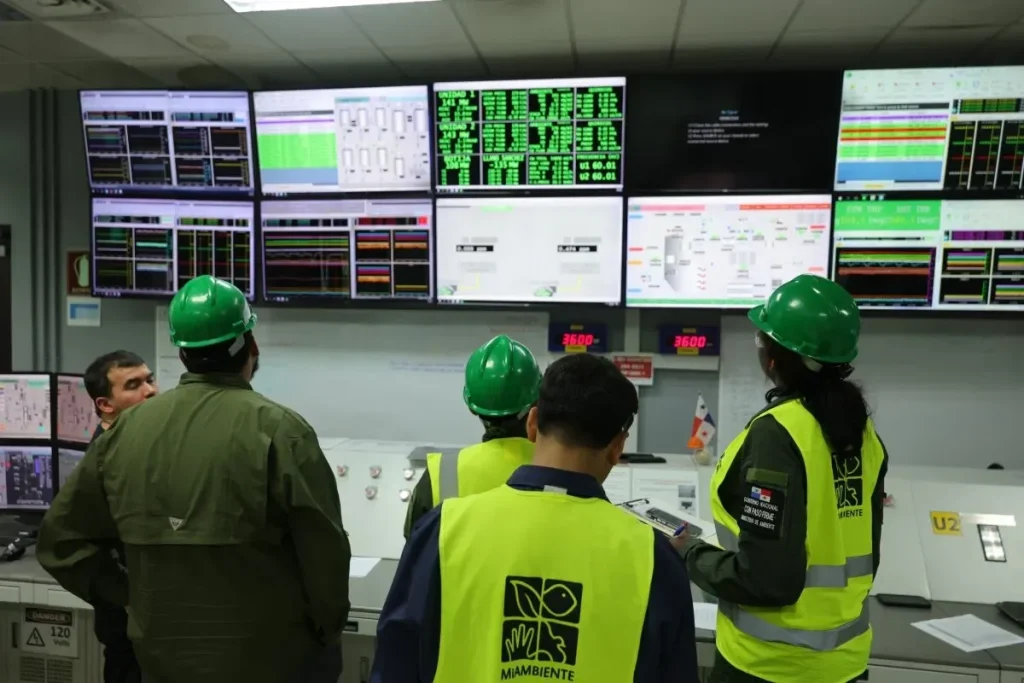
The audit identified findings the company is obliged to correct in reforestation, ecological restoration and environmental management. For each finding, the ministry tracks progress in the field, demands the corresponding fixes and verifies that compliance actually happens. This is not passive observation. The team’s work feeds directly into legal and administrative pressure on the company to repair environmental damage.
Officials familiar with the process say the audit gave Panama a precise list of failures that cannot be ignored. Field inspections then become a way to measure whether promises turn into action. The repeated presence of scientists at the mine also creates a deterrent effect, making it harder for obligations to slip through the cracks.
Interministerial Oversight Shapes State Strategy
Panama mine monitoring operates within a larger institutional framework. President José Raúl Mulino designated an Interministerial Commission in early June 2026 to analyze the audit results and the technical, economic and environmental reality of the project. The commission is led by the Minister of Commerce and Industries and includes the ministers of Environment and Economy.
This structure gives the scientific work a broader state mandate. It links environmental enforcement with economic and trade considerations, ensuring that decisions about the mine’s future rest on hard data rather than political expediency. The commission’s role is to look at the full picture, from reforestation failures to water quality data, before recommending any path forward.
The minister stressed that the state’s commitment has no expiration date while environmental problems remain.
“As long as there is a pending environmental obligation at the Donoso mine, the Panamanian state will be present, with its own science and permanently, until it is corrected.” [Translated from Spanish]
A Technical Reach That Includes Communities
DIVEDA’s roadmap covers a sweeping list of environmental components. The team monitors integral waste management, port-related operations and activities, mineral processing and handling, biodiversity and protected areas, water management and quality, physical and chemical stability of installations, and soil management. Each area has dedicated specialists who understand the specific risks of a closed copper mine.
The inclusion of social scientists is particularly notable. A sociologist tracks social aspects and relations with surrounding communities, capturing direct perceptions, identifying impacts on local socioeconomic dynamics and documenting environmental concerns. This qualitative data complements laboratory results and field inspections, giving the ministry a fuller picture of what closure has meant for people living near the mine.
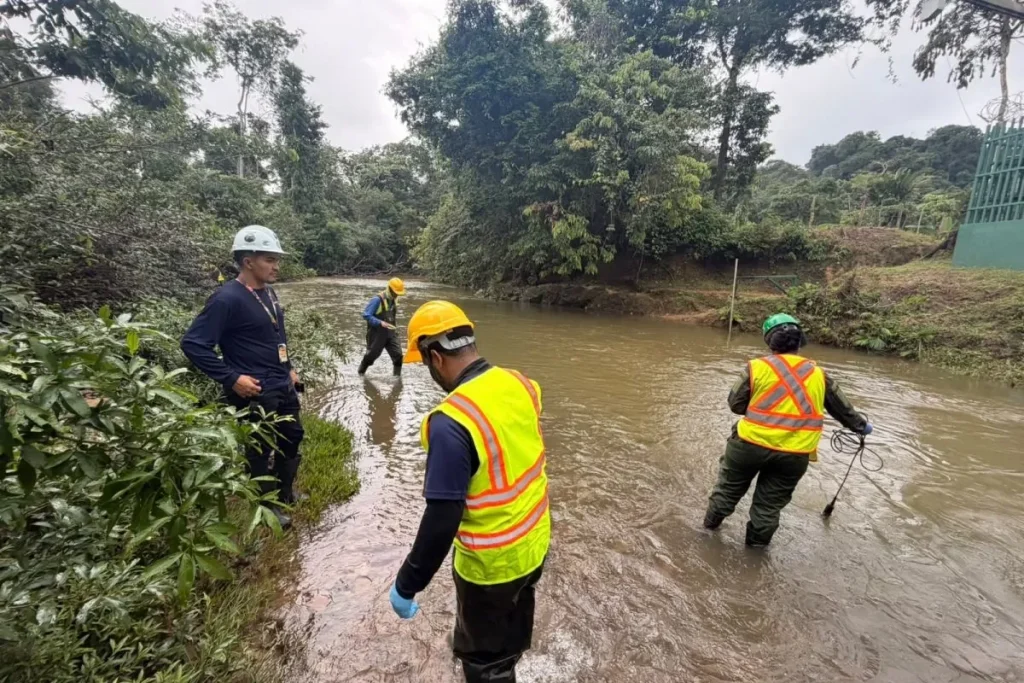
Microbiologists and bioindicator specialists test for microbial water quality, detect contamination, evaluate wastewater treatment plant failures and monitor acid drainage. Biologists who are also divers assess ecological health through macroinvertebrates and other indicator organisms, establishing the condition of rivers and streams around the mine. Samples collected in the field go to the Canelos and Curundú laboratories, where chemists and biologists analyze parameters of environmental quality.
The lawyers on the team track obligations and legal files, ensuring that every inspection has a clear administrative trail. Environmental auditors evaluate overall compliance with management instruments. This combination of hard science, social observation and legal follow-up means that no blind spots remain in the monitoring system.
Ultimately, Panama mine monitoring has evolved into a permanent scientific and legal presence. It combines aerial surveillance, laboratory analysis, field inspection and community engagement under one institutional umbrella. For the communities of Donoso and the watersheds downstream, that presence sends a clear message: closure does not equal abandonment. The state has committed to staying on the ground until every environmental obligation is satisfied, and the public can track progress through ministry reports.