



Every winter, thousands of North Americans board flights to Panama with spreadsheets tucked into their carry-ons, convinced they’ll find a tropical paradise where their retirement savings stretch twice as far lowering their Cost of Living. The promise has fueled countless blog posts, YouTube channels, and expat forums for years. But a detailed comparison of actual living expenses between Panama City, Columbus, Ohio, and Calgary, Alberta tells a far more nuanced story about the true Panama cost living equation in 2026.
The numbers challenge the long-held assumption that everything south of the border automatically costs half as much. Housing, groceries, medical care, and fuel, the four pillars of any retiree’s budget, each reveal their own complicated reality. Some savings remain genuine. Others have quietly evaporated as Panama’s economy has matured and its urban real estate market has caught up with regional peers.

Monthly Cost Comparison: Panama City vs. Columbus vs. Calgary
| Expense | Panama City | Columbus Ohio | Calgary Canada |
|---|---|---|---|
| 2-Bedroom Rent | $1,000–$1,600 per month |
$1,430 per month |
$1,368 USD equivalent |
| Groceries | $500–$650 couple / month |
$700–$850 couple / month |
$500–$607 USD equivalent |
| Routine Doctor Visit | $50–$75 private visit |
~$86 illustrative visit |
Covered* public system |
| Monthly Health Coverage | ~$310–$970 local private plans, couple ages 60–74 |
$406+ Medicare Part B, couple age 65+ |
Public* supplemental plans extra |
| Gasoline | $1.29/L USD per litre |
$1.21/L USD per litre |
$1.34/L USD equivalent |
| Illustrative Driving | 1,000 mi. per month |
1,000 mi. per month |
1,000 mi. per month |
| Est. Gas / Month | $163 30 mpg vehicle |
$152 30 mpg vehicle |
$169 30 mpg vehicle |
| Low-End Monthly Total | $1,973 USD / month |
$2,688 USD / month |
$2,037 USD / month |
How we calculated the total: The low-end monthly total includes rent, groceries, the lowest illustrated monthly health-coverage cost and estimated gasoline. Routine doctor visits are excluded because they are not necessarily monthly expenses. Gasoline assumes 1,000 miles of driving per month in a vehicle averaging 30 mpg, or approximately 126 litres of fuel. Calgary figures have been converted from Canadian dollars to U.S. dollars for direct comparison.
Sources & methodology: Figures are illustrative and intended to compare major household expenses rather than represent a complete household budget. Panama private health-insurance premiums vary substantially by age, insurer, deductible and coverage. U.S. health coverage uses Medicare Part B as a baseline for a retired couple age 65+, and does not include Medigap, Part D or other supplemental costs. Alberta provides publicly funded physician and hospital services to eligible residents; optional supplemental insurance is not included in the total.
Health insurance sources: Blue Cross & Blue Shield of Panama, MAPFRE Panama, U.S. Centers for Medicare & Medicaid Services.
Source: Blue Cross & Blue Shield of Panama, MAPFRE Panama, U.S. Centers for Medicare & Medicaid Services
How Housing Costs Reshape Panama’s Cost of Living Narrative
Ask most retirees what draws them to Panama and housing affordability usually tops the list. The dream of an ocean-view apartment for a fraction of North American prices persists, even as the actual market tells a different story. A two-bedroom apartment in Columbus, Ohio, according to the U.S. Department of Housing and Urban Development’s 2026 Fair Market Rent data, runs about $1,430 per month. That figure represents a moderately priced rental in a safe, established neighborhood, not a luxury building or a bargain basement unit.

Calgary’s purpose-built rental market, tracked by the Canada Mortgage and Housing Corporation, shows average monthly rents around C$1,914 for a comparable two-bedroom unit. Converted to U.S. dollars, that lands close to $1,350. Meanwhile, a comfortable middle-market apartment in an established Panama City neighborhood typically costs between $1,000 and $1,600 per month, with a reasonable working estimate of $1,300. The much-touted housing savings amount to roughly $130 per month compared with Columbus, and virtually nothing compared with Calgary.
Premium neighborhoods tell an even more striking story. Apartments along Avenida Balboa, in Punta Pacifica, or Costa del Este routinely command $1,400 to $2,500 per month or more. A retiree who wants modern amenities, ocean views, and proximity to other expats will find Panama City pricing that rivals or exceeds many North American markets. The real bargains exist in older buildings, secondary cities like David or Chitré, and communities outside the capital’s most desirable districts.
Grocery Bills Reveal a Tale of Two Shopping Strategies
Food costs in Panama depend almost entirely on how willing a retiree is to abandon familiar brands and shopping habits. The U.S. Department of Agriculture’s Thrifty Food Plan suggests a retired couple in Columbus needs approximately $500 to $550 monthly for a nutritious, home-prepared diet. A more comfortable grocery budget, with brand names and prepared foods, pushes that figure to $700 or $850 per month.
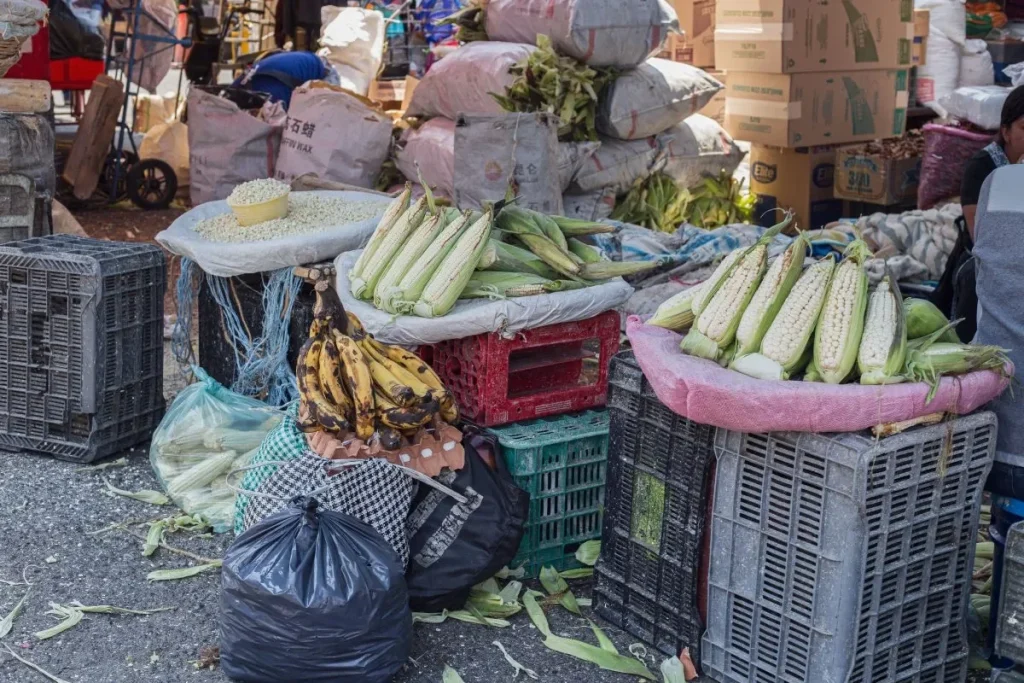
Calgary couples face similar ranges, with basic grocery spending around C$620 to C$640 per month based on Canadian household expenditure data. A more relaxed budget reaches C$700 to C$850 monthly. Panama’s official food basket, designed for monitoring price changes among essential goods, doesn’t capture how most North American retirees actually shop. A couple who embraces local markets and Panamanian products might spend just $400 to $500 per month. But a household that insists on imported cheese, familiar cereal brands, and premium cuts of meat will likely spend $500 to $650 or more.
The grocery savings exist, but they’re conditional. Retirees who adapt their cooking and shopping habits can cut their food bill by 20 to 40 percent compared with Ohio. Those who don’t adapt will find the savings far less dramatic than the expat marketing materials suggest.
Medical Insurance and the Hidden Cost Advantage
Healthcare remains one area where Panama genuinely delivers on its affordability promise, though the comparison requires careful attention to what each system covers. American retirees on Medicare cannot use that coverage outside the United States, meaning they must either purchase private Panamanian insurance or pay out of pocket. Private health insurance for a retired couple in Panama typically costs significantly less than comparable coverage in the U.S. individual market, and routine medical visits, prescription medications, and dental care often come at a fraction of North American prices.

Panama’s private hospitals in the capital, many affiliated with U.S. institutions, offer care that meets international standards at prices that routinely surprise American patients. A specialist consultation that might cost $200 to $400 in Columbus often runs $50 to $100 in Panama City. Prescription drugs that strain American budgets frequently sell for 30 to 60 percent less in Panamanian pharmacies. For retirees without employer-sponsored coverage, these differences can offset higher-than-expected housing costs.
Canadian retirees face a different calculus. Canada’s public healthcare system covers citizens and permanent residents regardless of where they live, but only for services received in Canada. Snowbirds and expats who spend significant time in Panama typically purchase private insurance or rely on Panama’s relatively affordable out-of-pocket pricing. The convenience and speed of Panama’s private system, with minimal wait times for specialists and procedures, appeals to many Canadians frustrated by domestic queues.
Fuel Prices and the Transportation Factor in Panama
Gasoline in Panama has historically been cheaper than in the United States and dramatically cheaper than in Canada, where taxes push pump prices among the highest in North America. A gallon of regular fuel in Columbus might cost around $3.20 in early 2026, while Calgary drivers pay the equivalent of $4.50 or more after converting Canadian dollars and liters. Panama’s regulated fuel prices typically land closer to $3.00 per gallon, sometimes less.
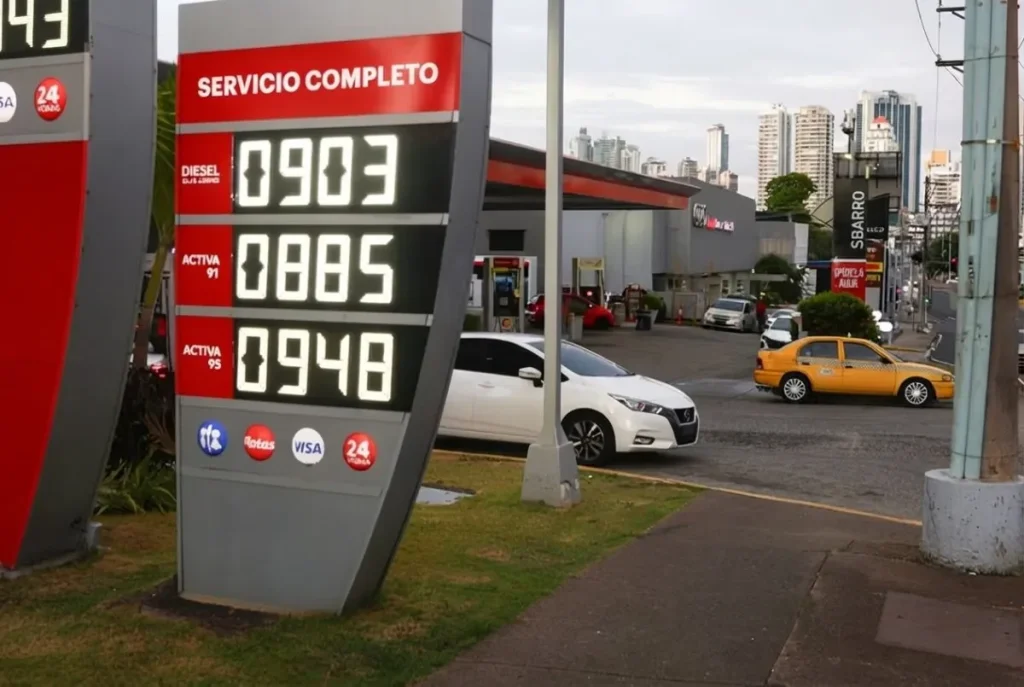
But fuel savings matter most for retirees who plan to drive extensively. Panama City’s traffic congestion has worsened considerably over the past decade, and many expats find they drive less than expected. Those who live in walkable neighborhoods or rely on the expanding Metro system may spend so little on transportation that the per-gallon price difference barely registers. Retirees in Chiriquí province or other regions who own vehicles and travel frequently will notice the savings more.
The broader transportation picture includes vehicle import duties, which can make buying a car in Panama surprisingly expensive. Many expats choose to bring vehicles from the United States or purchase used cars locally, navigating a system that doesn’t always deliver the bargains found at the pump.
What the Numbers Mean for Prospective Expats
The comparison between Panama City, Columbus, and Calgary strips away the marketing gloss and reveals a more complex retirement equation. A couple who rents a modest apartment, shops at local markets, and embraces Panamanian healthcare can indeed live comfortably on less than they would spend in a moderately priced American or Canadian city. The savings might amount to 15 or 25 percent of their total budget, a meaningful sum over a 20-year retirement.
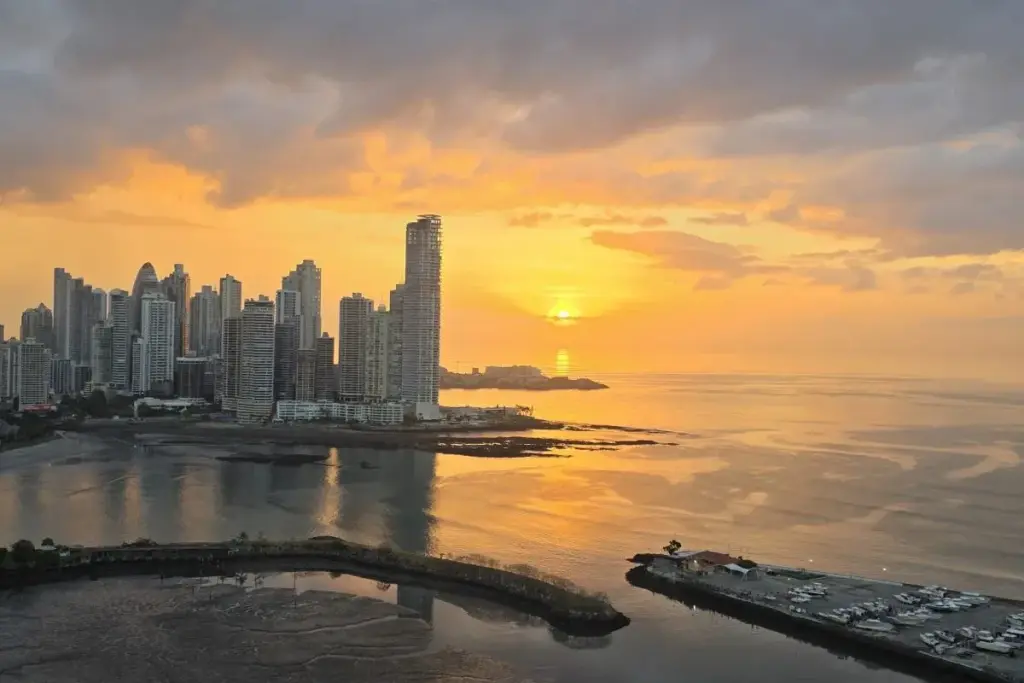
But a couple determined to replicate their North American lifestyle, with a modern high-rise apartment, imported groceries, and frequent dining out, may find Panama City costs nearly as much as Columbus or Calgary. The trade-offs involve not just money but expectations. Panama rewards flexibility and punishes rigidity in ways that aren’t always apparent from afar.
Secondary markets offer the most compelling value proposition. Cities like David, Santiago, and Chitré, along with select communities in Panama Oeste, deliver housing costs well below the capital’s premium districts while still providing access to healthcare, shopping, and expat communities. The retiree who prioritizes savings over ocean views and urban amenities will find Panama’s original bargain still intact, just not where the glossy brochures suggest.

The enduring truth about the Panama cost living equation is that it remains a genuine advantage for adaptable retirees who understand where the savings actually live. They’re not in the luxury towers of Punta Pacifica or the imported food aisles of Riba Smith. They’re in the local markets, the older neighborhoods, and the secondary cities where Panama’s affordability story still holds up under scrutiny. For everyone else, the spreadsheet tells a different tale, one where paradise comes with a price tag far closer to home than expecte