


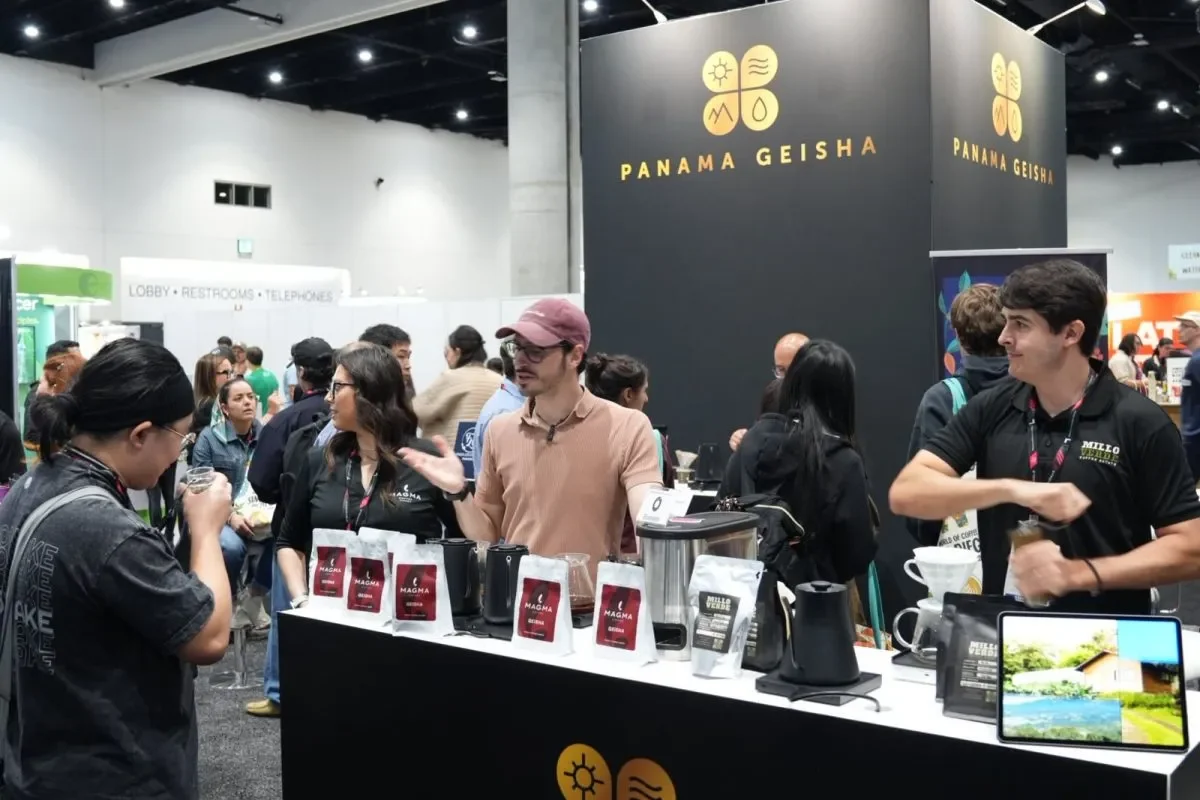
Panama City will host the first edition of Panamá Coffee Weeks from October 15 to 31, a two-week showcase designed to elevate coffee tourism Panama and spotlight the country’s prized Geisha variety ahead of the World of Coffee Panamá. More than 62 retail locations will offer tastings of over 35 specialty coffee varieties, according to organizers.
The initiative targets both residents and international visitors, positioning the event as a gateway to the larger World of Coffee summit. That global gathering will mark the first time the Specialty Coffee Association brings its flagship event to Latin America and to a producing country.
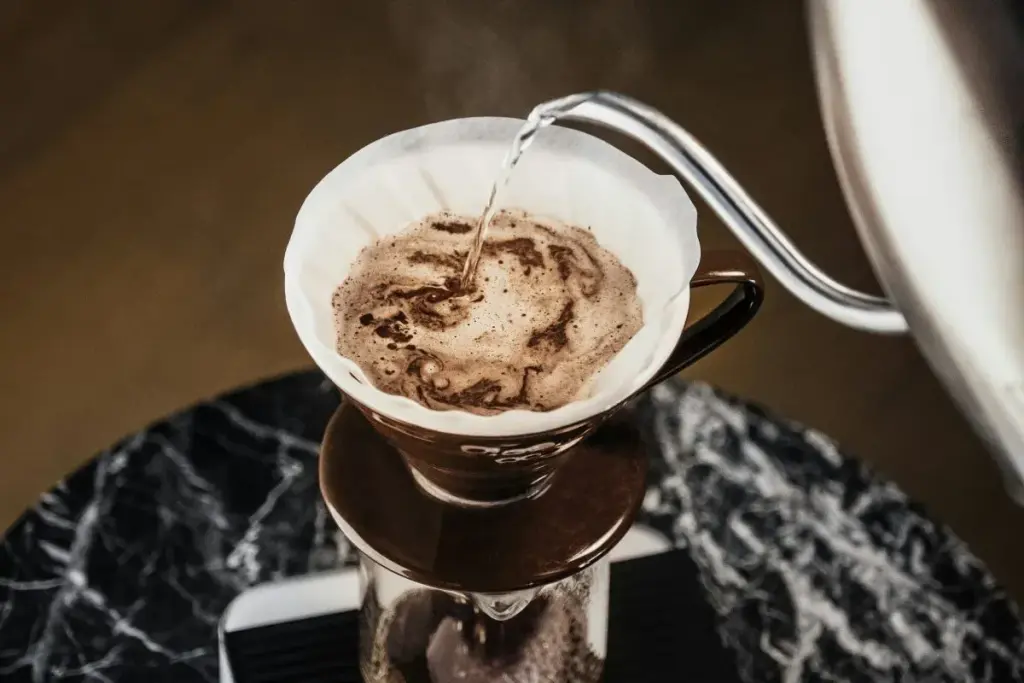
Geisha Quality Drives Panama Coffee Market Momentum
Panama’s coffee sector has built its reputation on the Geisha variety, a bean that consistently commands record prices at international auctions. The varietal, originally from Ethiopia, found ideal growing conditions in Panama’s highlands, particularly in the Boquete and Volcán regions. Auction prices for top lots have exceeded $2,000 per pound in recent years, a figure unmatched by most other origins.
That pricing power reflects scarcity and cup quality. Judges at global competitions routinely score Panamanian Geisha above 90 points, with floral jasmine notes, bergamot, and stone fruit dominating the profile. The country’s producers have leveraged this to build a luxury market positioning that now anchors coffee tourism Panama as a distinct travel niche.
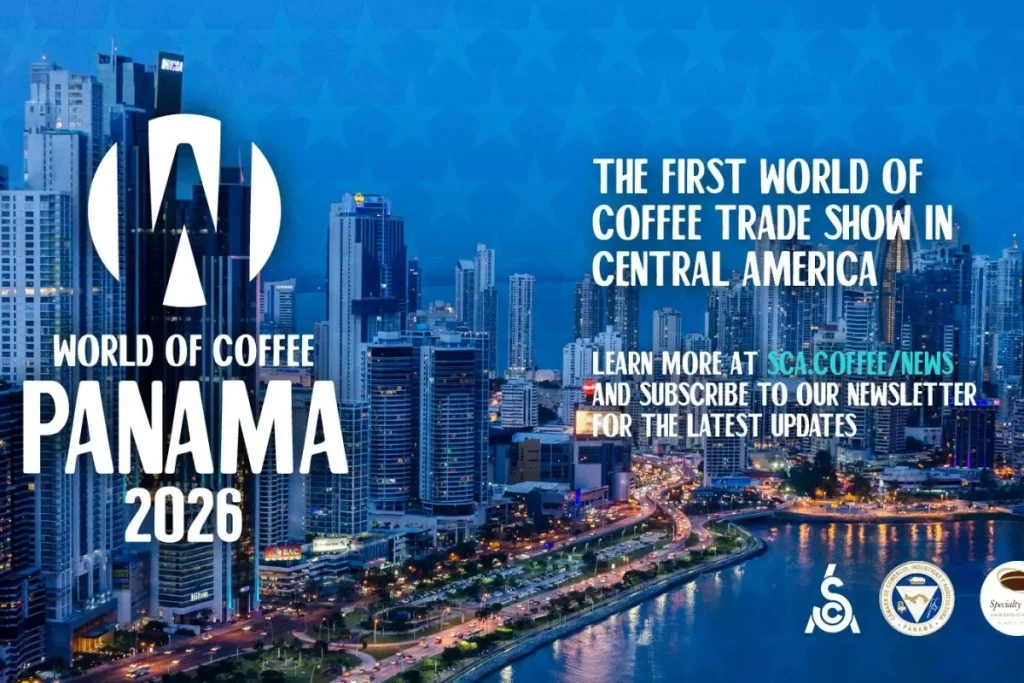
World of Coffee Panamá Sets Regional Precedent
The World of Coffee Panamá will convene industry professionals, roasters, and buyers from across the globe. Organizers said the event allows Panama to present its full supply chain, from farms to export logistics, to an audience that rarely visits origin countries in Latin America.
Authorities expect the combination of Coffee Weeks and the main summit to drive foot traffic to cafes, cupping labs, and farm tours. That aligns with broader tourism strategies that pair gastronomy with agricultural heritage, a model already proven in wine regions across Chile and Argentina.

Retail Participation and Consumer Access
The 62 participating points of sale include specialty cafes, hotels, and roasteries spread across Panama City and highland towns. Each location will feature curated menus highlighting different processing methods, including washed, natural, and anaerobic fermentations that have gained traction among specialty buyers.
Organizers framed the initiative as both a promotional push and an educational effort. Local consumers unfamiliar with the breadth of Panamanian coffee will have direct access to producers and baristas trained to explain regional differences. International visitors arriving before the main summit can use the two weeks to map out farm visits and tasting routes.
The event underscores Panama’s strategic bet that coffee can drive year-round tourism rather than seasonal harvest peaks. With Geisha as the anchor product, the country aims to convert one-time auction headlines into sustained visitor interest.