


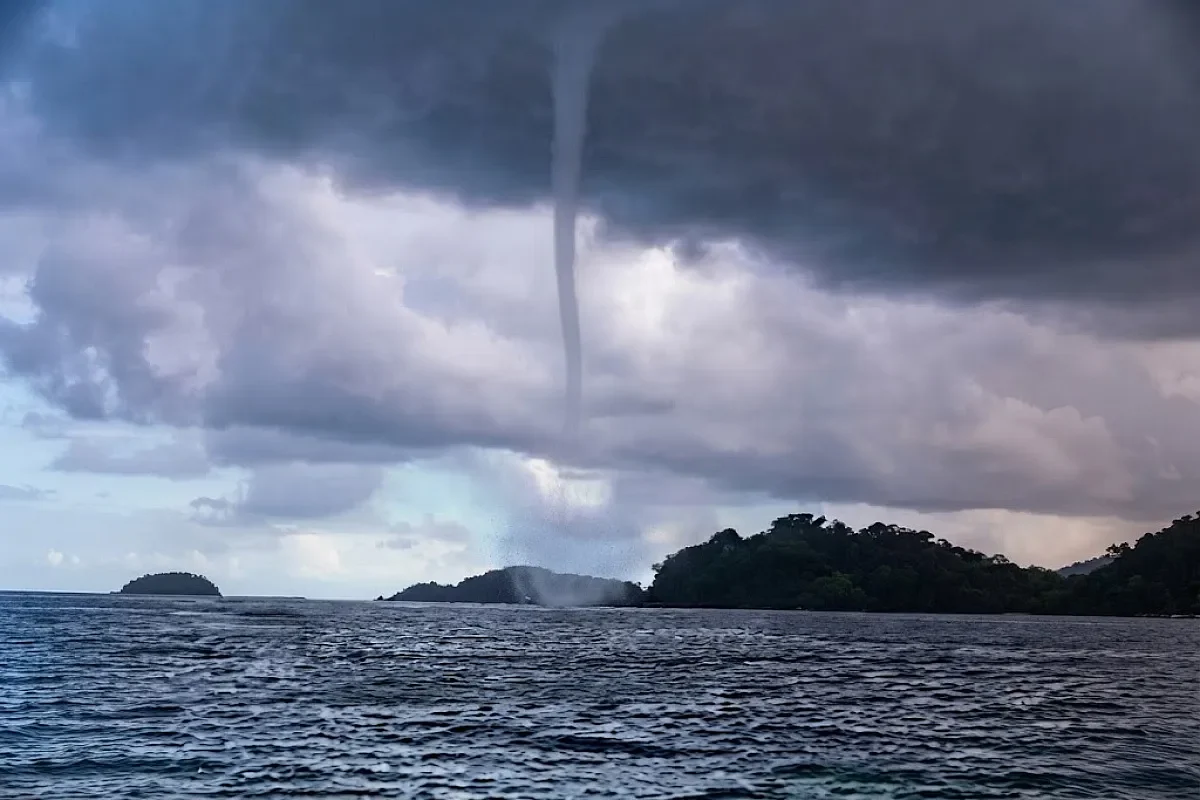
A waterspout formation was recorded by passengers aboard a vessel heading toward Isla Grande in Colón province. The atmospheric event, which can pose serious risks to boaters and coastal residents, was observed over open water and serves as a reminder of the dangers associated with these marine tornadoes.
Officials emphasize that anyone who sees a waterspout formation should immediately seek shelter on land or steer away at a 90-degree angle if in a vessel. Attempting to approach one for photographs or video is extremely dangerous and can be fatal.
What Defines a Waterspout Formation
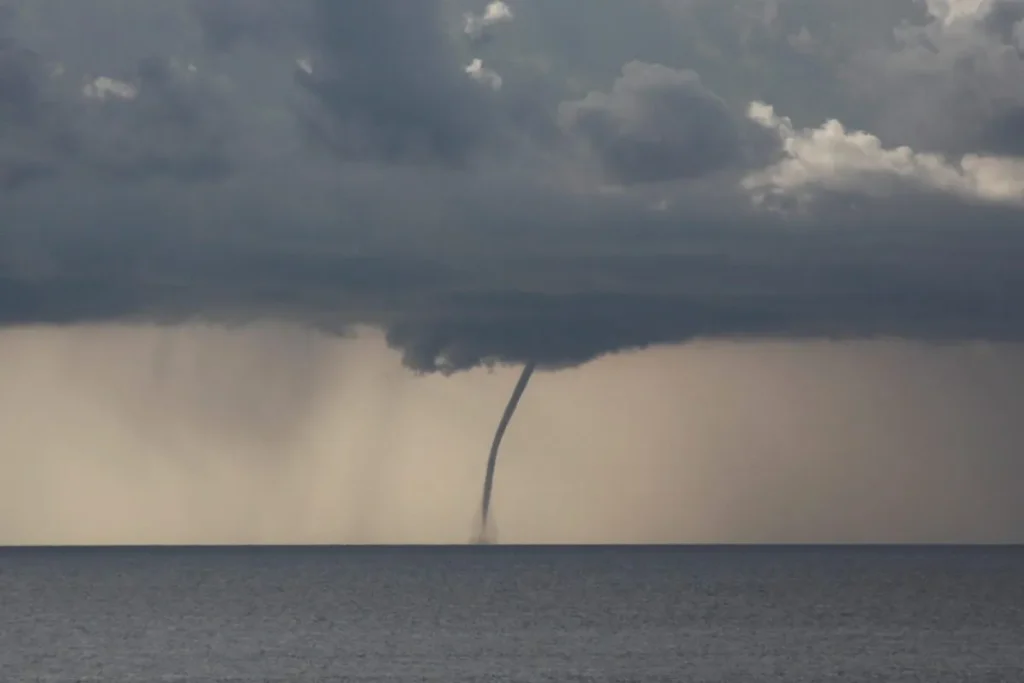
Meteorologists describe a waterspout formation as an intense vortex or whirlwind that develops over a body of water. These phenomena can measure up to 200 meters in diameter and rise as high as 1,000 meters above the surface. Most waterspouts last between 15 and 20 minutes before dissipating.
Two categories exist. Fair-weather waterspouts form in relatively calm conditions and typically remain over water. Tornadic waterspouts, by contrast, are actual tornadoes that either form over water or move from land to water. Both types can generate wind speeds capable of capsizing small craft and injuring people.
Potential for Injury and Property Damage
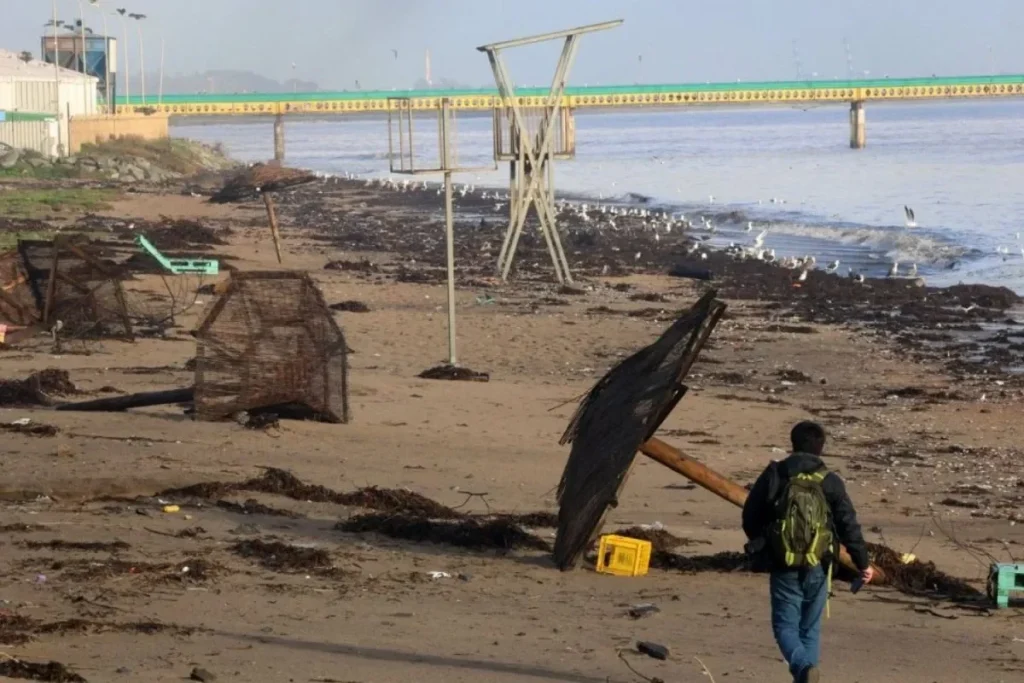
The destructive potential of a waterspout formation should not be underestimated. Wind speeds inside even a moderate waterspout can exceed 80 kilometers per hour, while tornadic variants may produce winds above 160 kilometers per hour. Boats caught in the path can be overturned or damaged by flying debris.
Swimmers and beachgoers face additional risks. A waterspout moving toward shore can transition into a tornado over land, bringing sudden and violent wind shifts. Coastal structures, docks, and small vessels are all vulnerable. Panama’s Caribbean coast, including Colón, experiences conditions favorable to these events during certain seasons.
Safety Protocol When a Waterspout Appears
Maritime authorities advise that the correct response to a waterspout sighting is immediate evasion. Vessel operators should not attempt to outrun the phenomenon in a straight line. Instead, they should change course perpendicular to its path and seek the nearest safe harbor.
For those on land, the guidance is equally direct. Move indoors to a sturdy building and stay away from windows. Do not attempt to observe the waterspout from beaches, piers, or open areas. The curiosity of watching one approach is not worth the risk of being struck by debris or caught in sudden gusts.
Weather monitoring remains the best preventive measure. Mariners should check forecasts before departure and remain alert to changing sky conditions, particularly rotating cloud bases or sudden darkening over the water.