


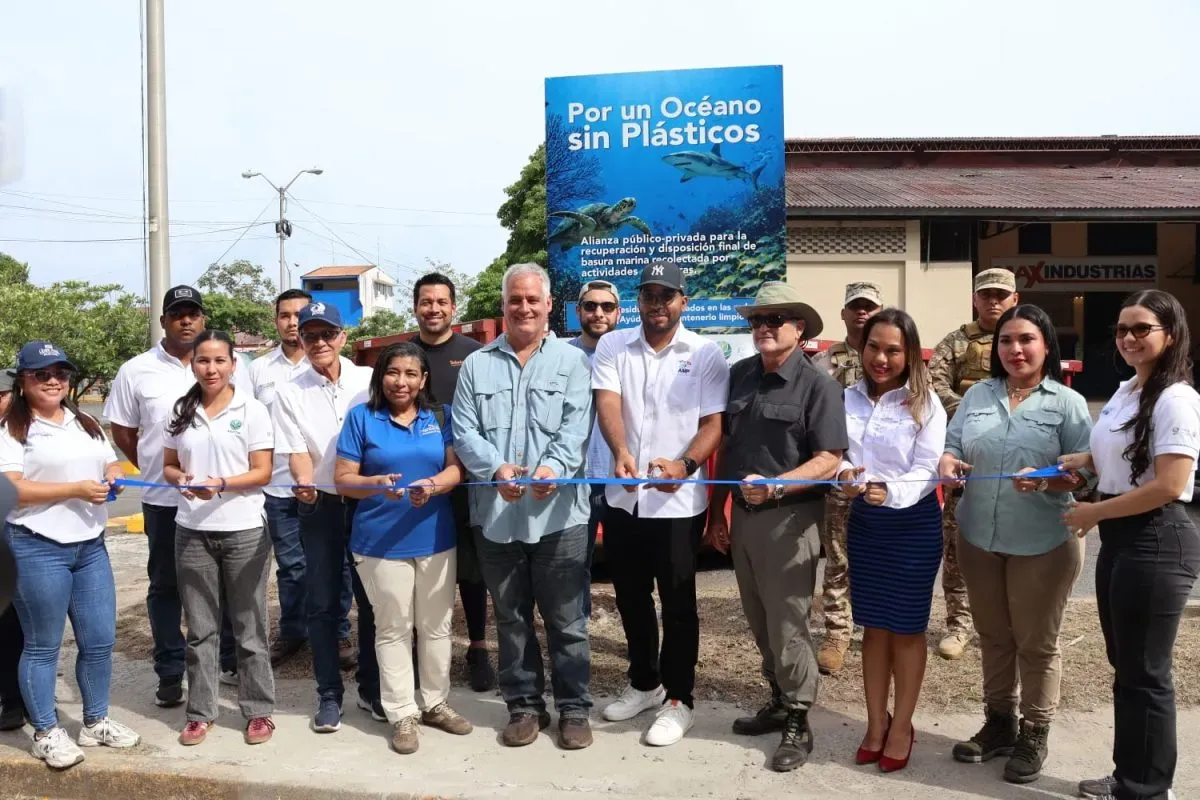
Panama’s Ministry of Environment has joined forces with the fishing industry and private companies to launch a new marine cleanup program. The initiative, called “Fish Your Trash,” launched on May 23, 2026, at Vacamonte Port in Panama Oeste. Its goal is simple. Recover plastic waste from the ocean before it destroys critical ecosystems.
The program targets the growing problem of marine pollution along Panama’s coastlines. Fishing vessels will now collect plastic debris during their regular operations. They will bring this waste back to Vacamonte Port for proper disposal. This prevents plastics from damaging mangroves, coastal areas, and fishing zones.
How the Fishing Fleet Will Collect Ocean Plastic
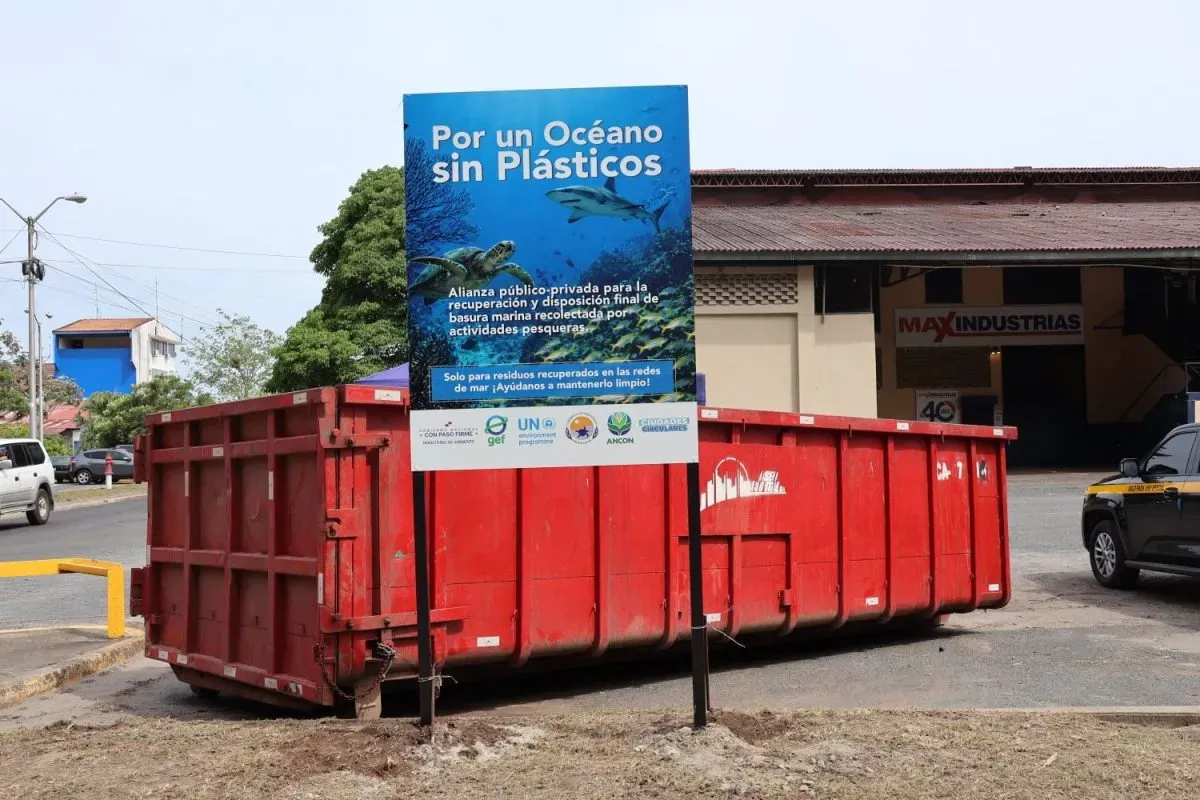
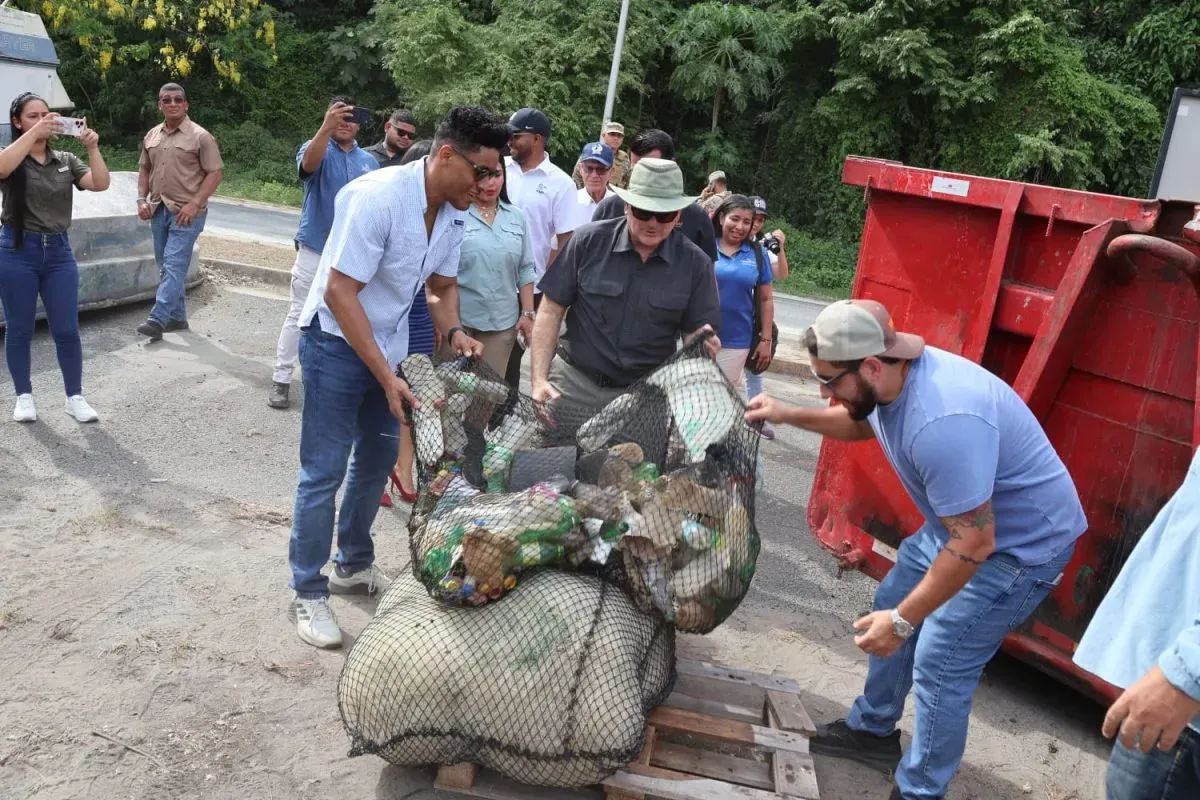
Shrimp boats will play the central role in this recovery effort. Crews will gather plastic waste during their fishing trips. They will store it onboard and deliver it to port upon return. A 16-yard container has been installed at Vacamonte Port specifically for this purpose. The company Aseo Capital will handle monthly collection, recycling, and final disposal for six months.
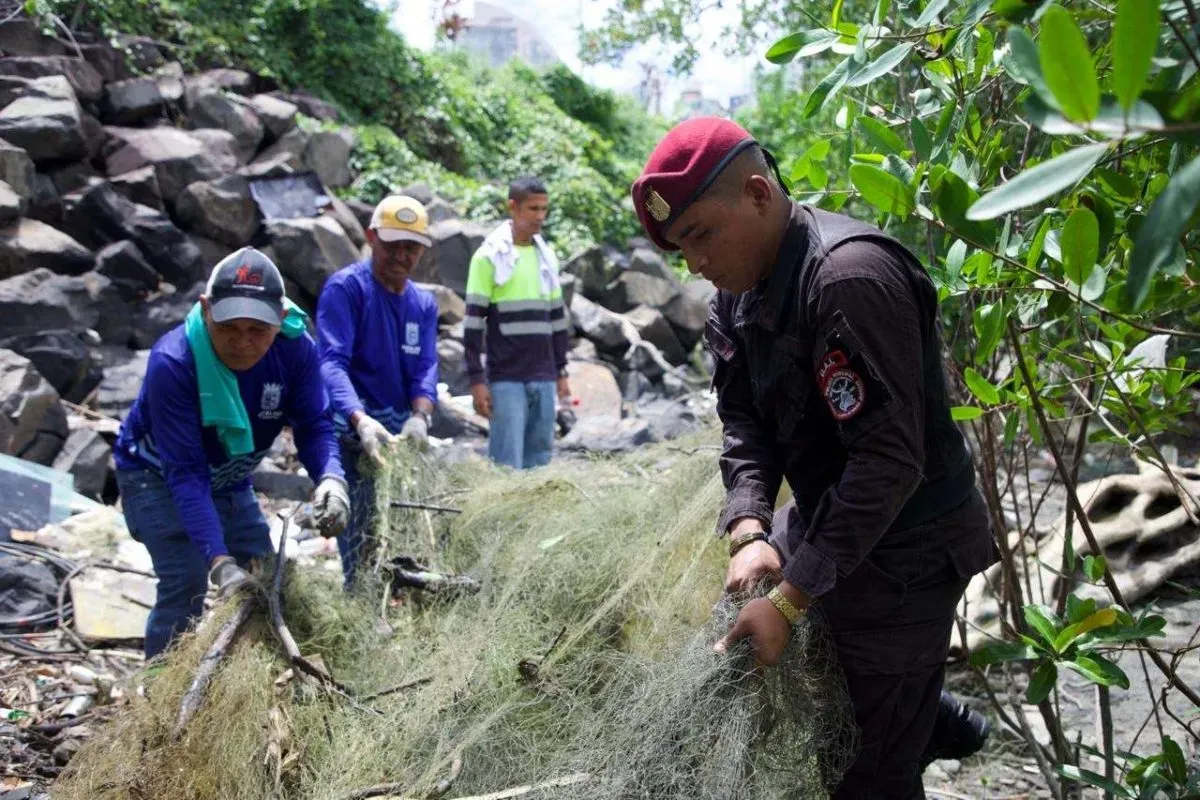
The program does more than just remove trash from water. It directly targets Ghost nets, which are abandoned fishing nets that continue trapping marine life. These nets kill thousands of animals each year. Removing them protects fish populations and the broader marine food web.
Official Statements from Panama’s Environment Minister
“Environmental protection cannot depend solely on the government. It requires co-responsibility, will, and participation from all sectors. This initiative from fishermen, business owners, authorities, environmental groups, and citizens is an example of how public-private collaboration can translate into concrete results for our marine ecosystems,” said Environment Minister Juan Carlos Navarro. [Translated from Spanish]
“Caring for our ocean is not an option, it is a national priority. From the Ministry of Environment we assume the commitment to accompany this initiative so that it is positive, orderly, and sustainable over time. Each piece of waste we manage to remove from the sea represents one less threat to biodiversity, an opportunity to improve environmental management, and a clear signal that Panama can move toward a more circular and sustainable economy,” Navarro added. [Translated from Spanish]
Training Programs and Community Engagement
The initiative includes a strong educational component. Training sessions will target ship captains, fishing industry workers, and nearby communities. These workshops teach proper waste management techniques. They also build awareness about ocean conservation. The goal is to create lasting behavioral change among people who depend on the sea for their livelihoods.
Data collection forms another critical part of the program. Officials will track what types of plastic are recovered and where. This information helps shape future public policies. Better data means smarter regulations for ocean protection.
Public-Private Partnership Structure
Multiple organizations are working together on this project. The Ministry of Environment leads the effort alongside the Panama Maritime Authority and the company Sea Deli. Funding comes from the GEF Circular Cities beyond Plastic project, which is executed by the National Association for Nature Conservation, known as ANCON.
Minister Navarro thanked the Maritime Authority, the Aquatic Resources Authority, Sea Deli, fishing companies, seafood processors, fishermen’s associations, ANCON, citizens, and business leaders for their support. He emphasized that this broad coalition is essential for success.
The program represents a practical step toward circular economy principles. Instead of plastic reaching the ocean and breaking into microplastics, it gets captured and recycled. This keeps materials in use rather than polluting the environment.
Panama faces significant challenges with marine debris. The country has extensive coastlines on both the Caribbean Sea and the Pacific Ocean. Waste from land-based sources often enters waterways and accumulates at sea. This initiative directly addresses that flow of pollution.
Fishermen see the problem firsthand every day. They encounter floating plastic, Ghost nets, and other debris while working. By making them part of the solution, the program taps into local knowledge and motivation. These workers have strong incentives to keep their fishing grounds clean and productive.
The six-month pilot phase will test the collection system’s effectiveness. If successful, officials may expand the program to other ports across Panama. The container at Vacamonte Port serves as a model that could be replicated elsewhere.
Marine plastic pollution affects tourism, fishing, and public health. It also harms wildlife that ingest or become entangled in debris. Sea turtles, dolphins, seabirds, and fish all suffer from plastic contamination. Removing this waste benefits both nature and the economy.
Panama has positioned itself as a regional leader on environmental issues. This initiative builds on existing efforts to protect marine ecosystems. The combination of government support, private sector involvement, and community participation creates a strong foundation for lasting change.