


Panama’s National Commission for the Prevention and Control of HIV (CONAVIH) has officially resumed its sessions after a hiatus lasting more than a year. The commission, which operates under the Ministry of Health (Minsa), reconvened on June 2, 2026, to address a national landscape where over 22,000 people are receiving antiretroviral treatment. Health officials confirmed that a significant portion of patients are still being diagnosed with advanced stages of the disease.
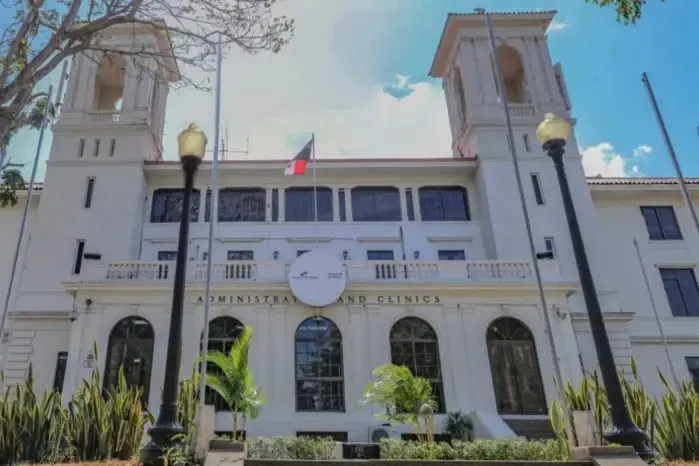
The last meeting of CONAVIH took place on April 8, 2025. The reactivation comes at a critical moment for public health in the country. Authorities are now pushing to accelerate the national response to meet the UNAIDS 2030 goal to end AIDS as a public health threat. The meeting was led by Health Minister Fernando Boyd Galindo.
Multisectoral Strategy Takes Center Stage
During the June 2 session, the commission focused heavily on implementing the Multisectoral Strategic Plan for the Comprehensive Response to HIV and other sexually transmitted infections (STIs) for the period 2025-2029. This document will serve as the roadmap for national efforts in the coming years.
Minister Boyd Galindo emphasized the importance of this renewed collaboration. He stated that the plan would guide the country’s actions and help fulfill the goal of ending AIDS by 2030. [Translated from Spanish]
“Today we highlight the implementation of the Multisectoral Strategic Plan for the Comprehensive Response to HIV and other STIs 2025-2029. This plan will guide the country’s actions in the coming years and contribute to meeting the goal of ending AIDS as a public health threat by 2030,” said Boyd Galindo, who presides over CONAVIH. [Translated from Spanish]
Carlos Chávez, head of the HIV/AIDS Section at Minsa, provided further details on the plan’s priorities. He explained that the strategy focuses on strengthening prevention, promoting timely diagnosis, and ensuring access to treatment. It also emphasizes the sustainability of the national response and the promotion of human rights, specifically targeting the reduction of stigma and discrimination. Chávez confirmed that work has already begun on the 2026-2027 operational plan to accelerate these actions.
Governance and the Role of Civil Society
Established in 2008, CONAVIH brings together a wide range of stakeholders. These include public institutions, civil society organizations, private sector representatives, indigenous authorities, and international agencies. The commission’s main purpose is to coordinate the national response to HIV and other STIs.
Natasha Dormoi, coordinator for Aids Healthcare Foundation (AHF Panama), offered an external perspective. Her organization works on HIV prevention and care in the country but is not part of CONAVIH. She noted that the reactivation is particularly relevant because the commission is a key governance mechanism for the national HIV response.
“Its value lies in bringing together government institutions, civil society, international organizations, academia, and the private sector at the same table. They analyze challenges, coordinate actions, and build consensus around prevention, care, and the protection of the rights of people affected by HIV,” Dormoi stated. [Translated from Spanish]
Dormoi warned that the country continues to face serious challenges. Late diagnosis remains a major problem. There are also significant gaps in access to services for certain populations and in specific territories. Stigma and discrimination persist as well. She stressed that an active and strengthened multisectoral space like CONAVIH is essential for a coordinated, evidence-based national response that is centered on people.
Current HIV Data Presents a Mixed Picture
The resumption of CONAVIH sessions coincides with a complex epidemiological scenario. Official data shows that 22,518 people are currently receiving antiretroviral therapy (ART) in Panama. Of these, 17,155 are men and 5,363 are women. This means that 76% of patients in treatment are male.
The numbers also highlight a heavy reliance on the public health system. Out of all patients receiving ART, 14,585 do not have social security. That figure represents 64.8% of the total. The remaining 7,933 patients are insured. The majority of those without coverage from the Social Security Fund (CSS) receive care at Minsa facilities. Specifically, 14,549 patients are treated by Minsa, while only 36 receive treatment at CSS centers.
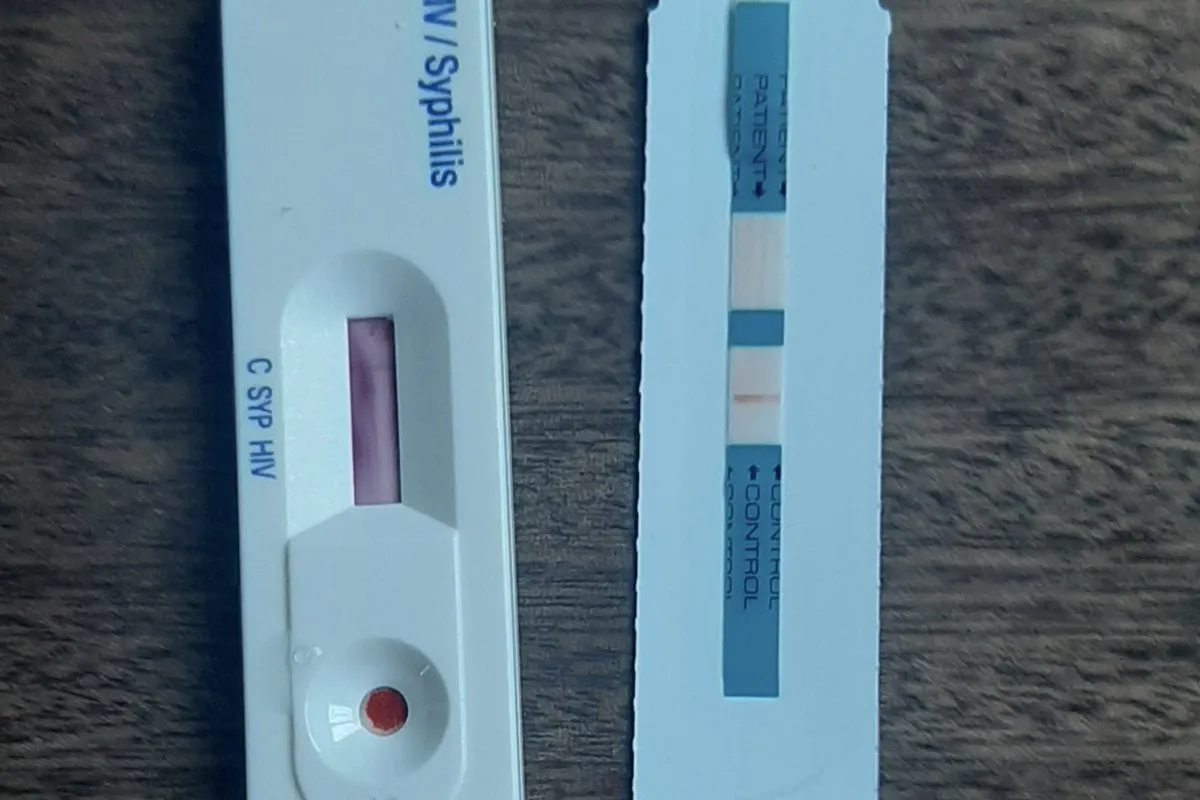
During 2025, Panama conducted 333,609 HIV tests. From those tests, 1,750 came back positive. This gives the country a national positivity rate of 0.5%. However, a more troubling indicator involves the stage of infection at diagnosis. A full 44.4% of patients who had their CD4 levels measured presented with advanced disease. This is defined as a count lower than 200 cells per cubic millimeter. This finding suggests that a large portion of people are still being diagnosed late, when the risk of complications is much higher.
Addressing Late Diagnosis and Access Barriers
Health officials acknowledge that delayed detection reflects deep structural barriers. It also highlights ongoing stigma, a lack of knowledge about the disease, and limited availability of community-based testing. Difficulties in accessing specialists further compound the problem.
The current data underscores the urgent need for improved testing strategies. The fact that nearly half of evaluated patients have advanced disease at diagnosis is a clear signal. The National Commission for the Prevention and Control of HIV (CONAVIH) Panama will need to address these gaps directly. Improving antiretroviral treatment coverage in Panama remains a top priority, especially for the most vulnerable populations.
The commission’s renewed activity provides a platform to tackle these issues. The focus will be on the 2025-2029 strategic plan. Officials are now working to translate the high-level strategy into concrete actions on the ground. The goal is clear: to close the gaps in diagnosis and care and to ensure that Panama can meet its international commitments to end the HIV epidemic.