


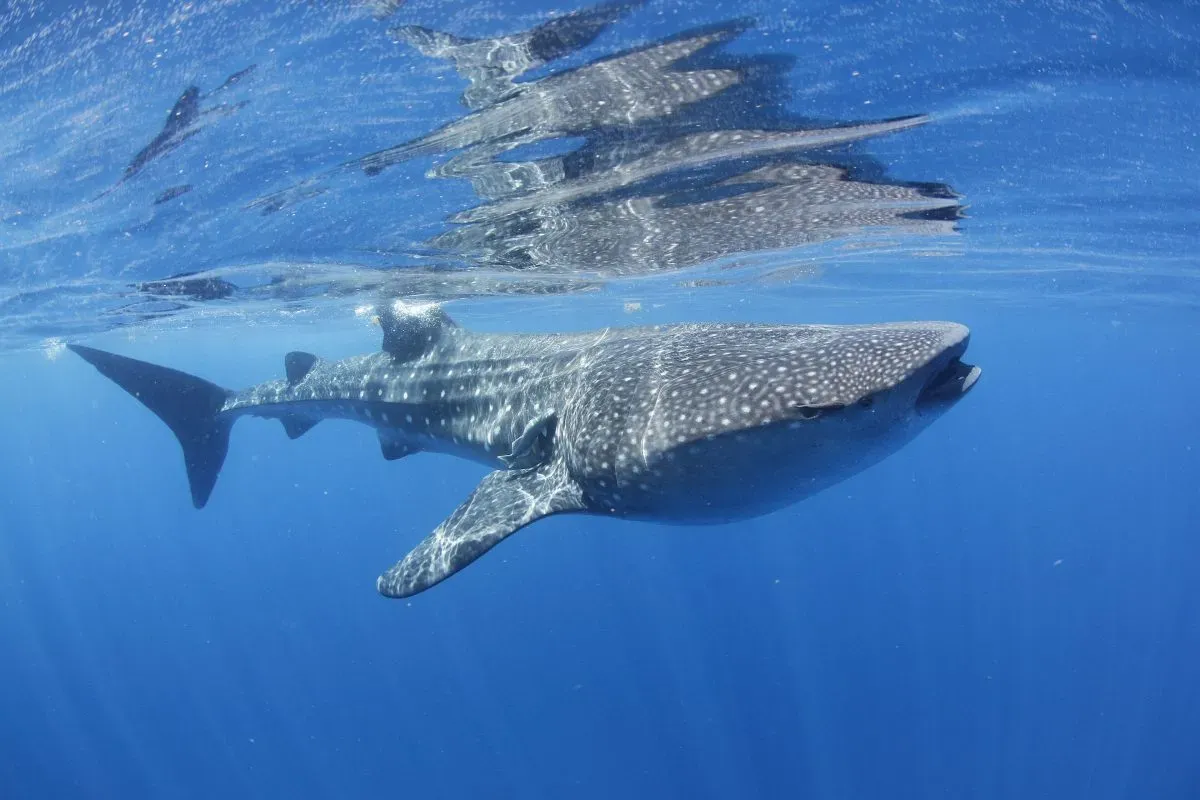
Panama’s environmental authorities are managing a significant marine wildlife event on the Pacific coast. A massive whale shark has washed ashore at Playa Veracruz in the district of Arraiján, Panama Oeste province. The Panama Ministry of Environment, known locally as MiAMBIENTE, confirmed the stranding on June 9, 2026.
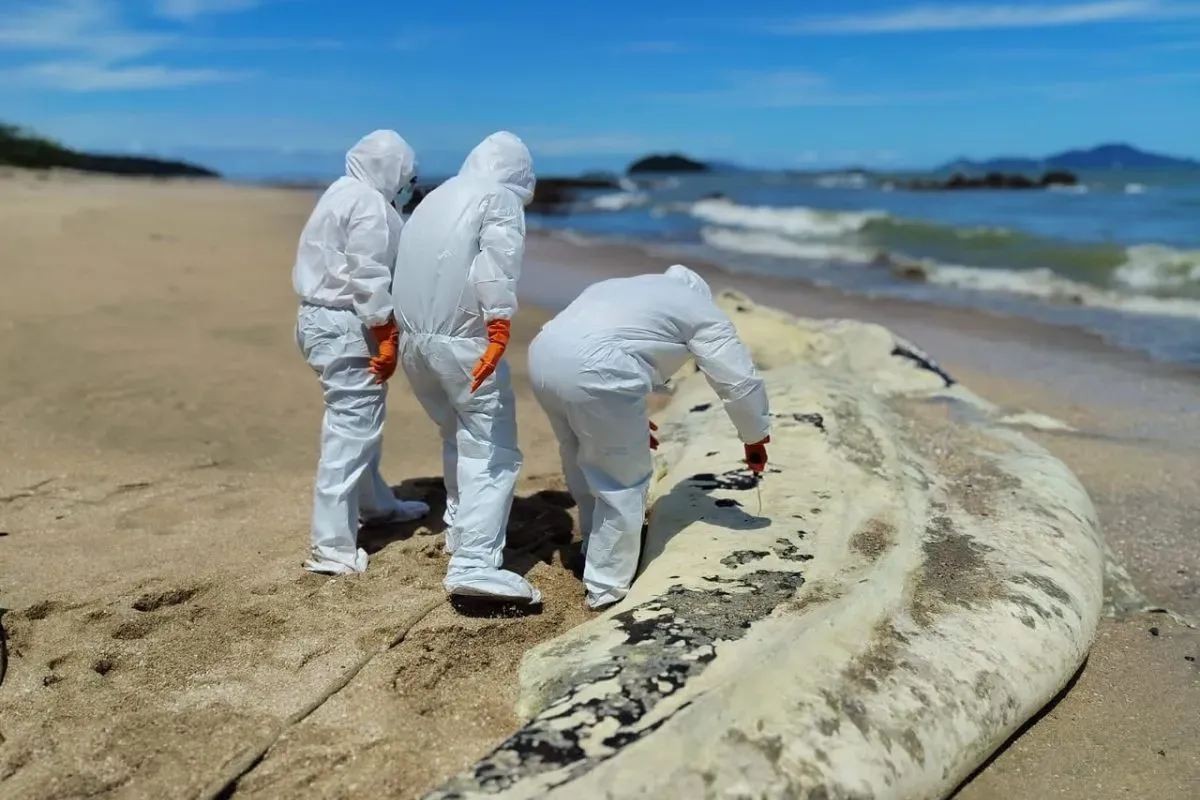
Preliminary assessments from specialists indicate the specimen is a female. She measures approximately nine meters in length. The whale shark, scientifically named Rhincodon typus, holds the title of the world’s largest fish. These gentle giants play a crucial role in marine ecosystem health. At the time of inspection, the animal was already in an advanced state of decomposition.
Coordinated Response and Safety Measures
Officials have implemented immediate preventive actions at the site. A guide line was placed to secure the body. This prevents the carcass from being moved by tidal shifts while response teams work. The operation involves multiple agencies working in concert.
The regional directorate of MiAMBIENTE in Panama Oeste leads the effort. They coordinate with the national Directorate of Coasts and Seas, the Maritime University of Panama, the National Aeronaval Service (SENAN), and the National Police. The Municipality of Arraiján and local community members have also joined the response. Support came from the HPH Consortium, the contractor building Panama Metro Line 3. They provided a backhoe for the necessary field operations.
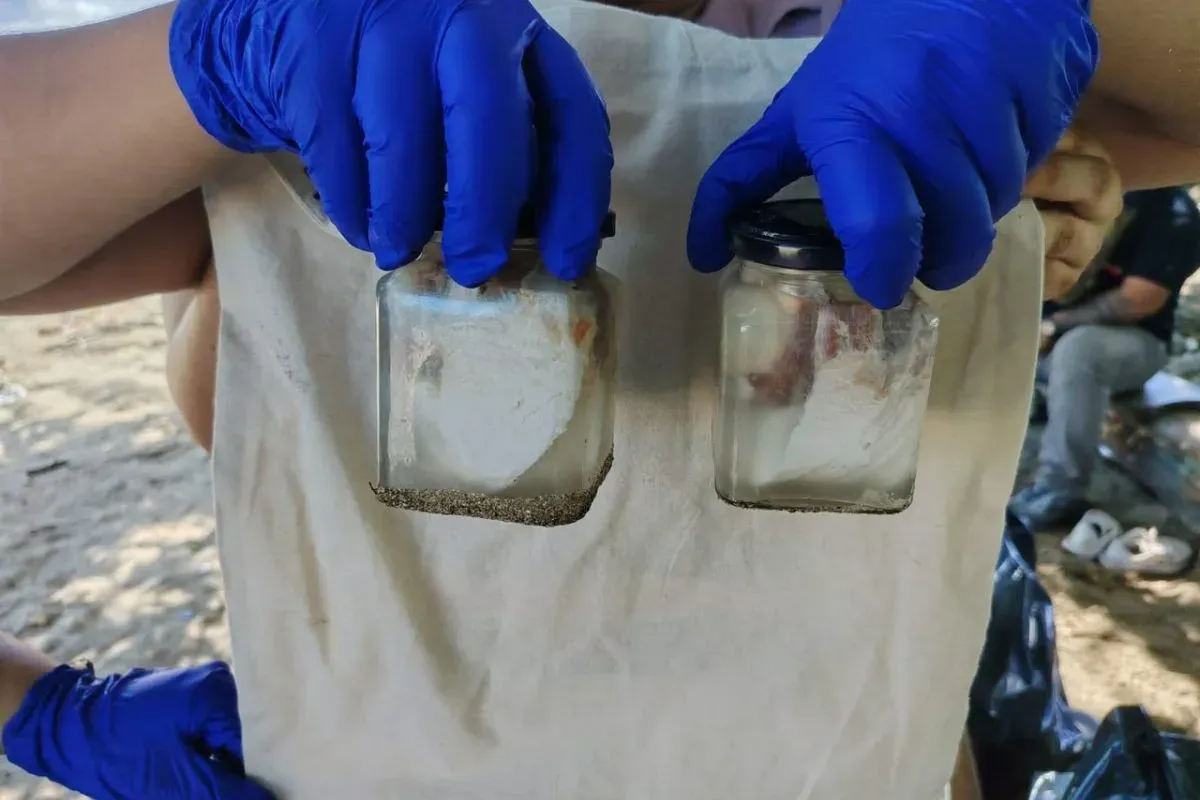
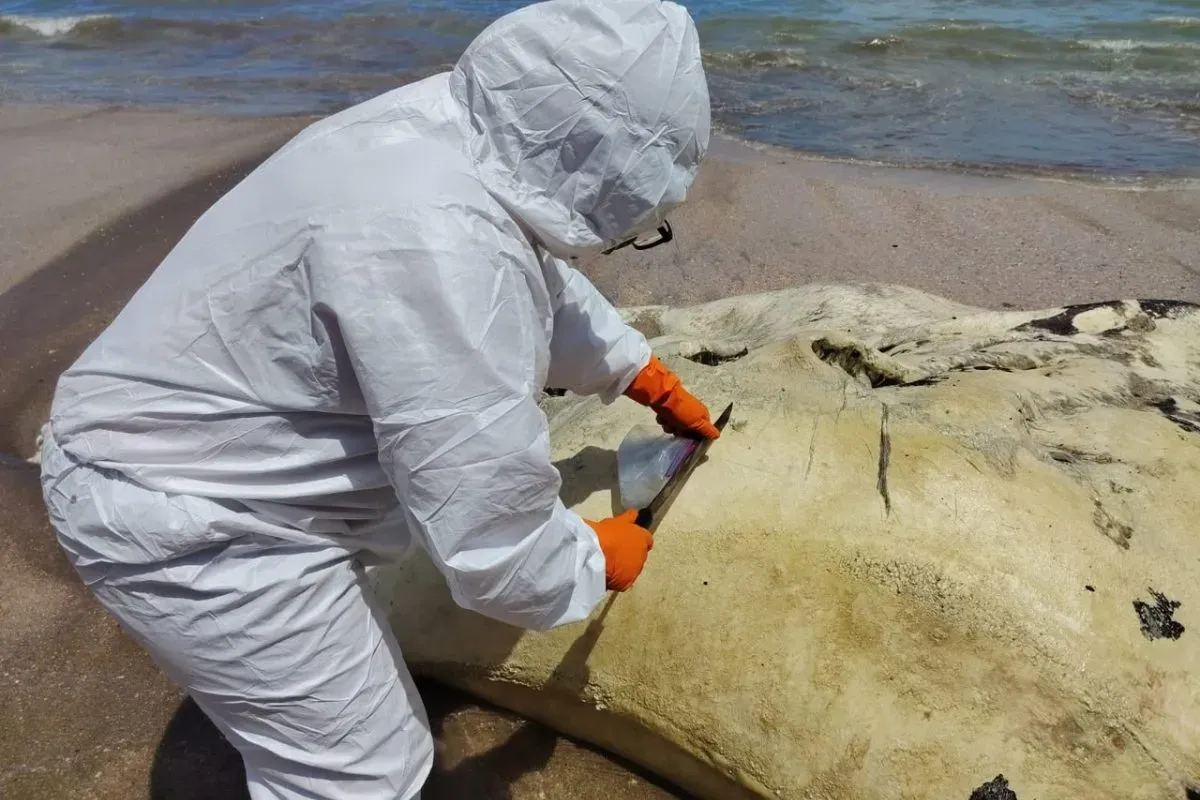
Specialists have begun collecting tissue samples from the whale shark as part of established protocols. These samples will undergo detailed laboratory analysis. The investigations aim to determine the potential causes of death for this massive marine animal.
The Ministry has issued clear guidance for the public. People should avoid direct contact with the animal. All preventive measures must remain in place while investigations continue. Citizens who encounter similar situations should report them immediately. Reports can be made through official social media channels or the 311 citizen attention line.
Public Health and Environmental Protocols
MiAMBIENTE emphasizes the importance of following established procedures. Once an animal’s death is confirmed, proper final disposition must occur. This protects public health. It also reduces potential risks for nearby communities. The protocol ensures safe handling of the remains while preserving scientific value.
The stranding response demonstrates Panama’s capacity for inter-institutional cooperation. Environmental authorities are working to understand what caused this whale shark’s death. The species is classified as endangered globally. Every stranding event provides valuable data for marine conservation efforts.
This incident occurs on a beach near the capital region. Veracruz sits within the Bay of Panama, a rich marine environment. The area hosts diverse aquatic life including sea turtles, dolphins, and migratory fish species. Whale sharks are occasional visitors to Panamanian waters, particularly during plankton blooms.
Scientists will analyze the collected tissue samples over the coming weeks. Results may take time to process. The findings could reveal important information about ocean health in the region. Officials have not yet speculated on the cause of death publicly. They are waiting for laboratory confirmation before releasing conclusions.
The Ministry of Environment maintains a permanent monitoring system for marine wildlife along Panama’s extensive coastlines. This stranding response follows standard operating procedures developed over years of managing such events. The coordinated effort between government agencies, academic institutions, and private sector partners shows the country’s commitment to environmental stewardship.