


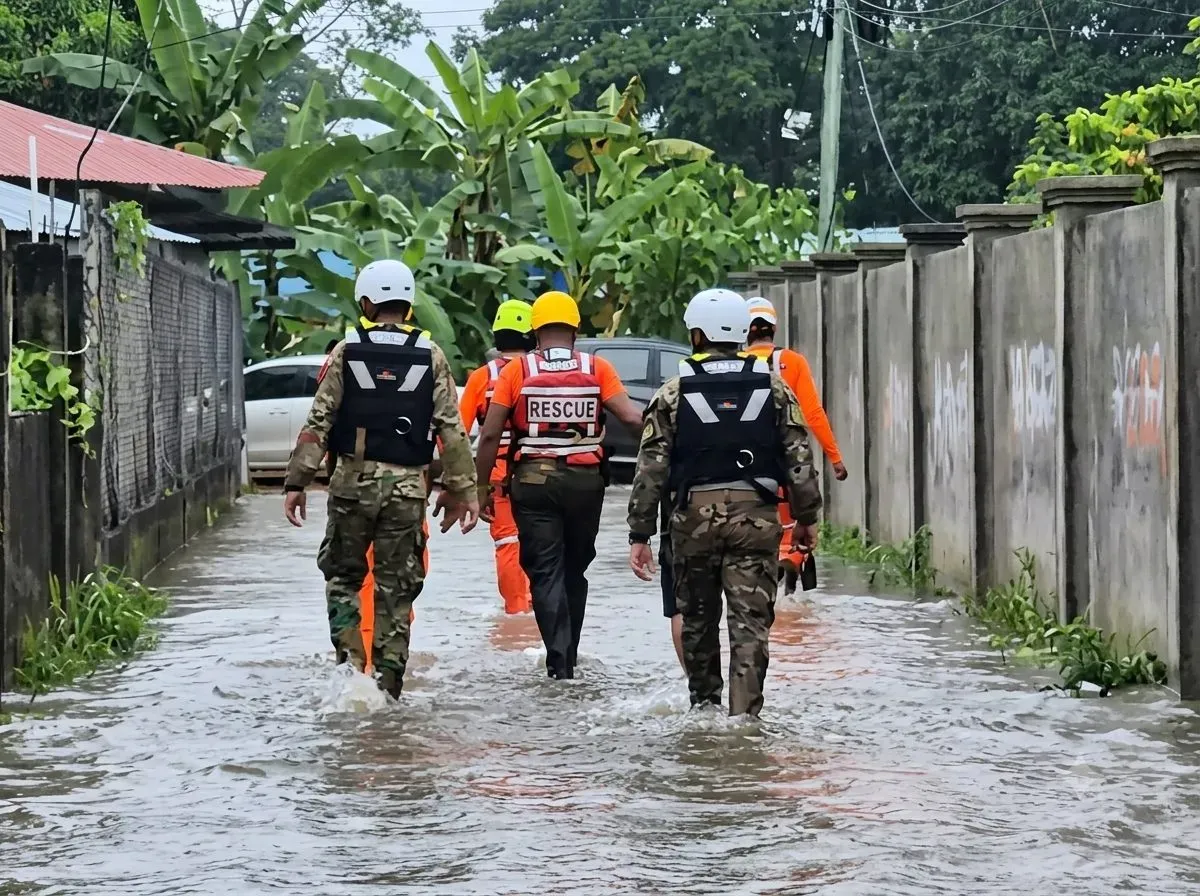
Nearly 500 children huddle in emergency shelters across Bocas del Toro after torrential rains submerged entire communities. Medical teams report rising cases of vomiting and diarrhea among the youngest survivors. Officials say the situation remains precarious as more storms threaten the region.
The province’s Emergency Operations Center confirmed that approximately 1,800 people have been affected by the flooding. Of those, 800 individuals are currently staying in five temporary shelters. These facilities are located in Teobroma, Cuatro de Abril, Puente Blanco, Finca 4, and the Unión Boca Toreña community center. The numbers paint a stark picture of a region struggling to cope with nature’s fury.
Medical Teams on the Front Lines
Health workers face a dual challenge: treating flood-related injuries while preventing disease outbreaks in crowded shelters. Dr. Daryl Padmore, regional director of the Panama Ministry of Health, confirmed that medical personnel are stationed at every shelter. “We are coordinating with the Social Security Fund to maintain a response team in all shelters to care for affected people,” Padmore said. [Translated from Spanish]
Beyond the gastrointestinal illnesses affecting children, doctors have treated patients with lacerations, trauma, and other injuries caused by the floodwaters. Those requiring specialized care have been transferred to the Mena Hospital in Changuinola or the health center in Finca 30. The Ministry has also deployed mental health teams to provide psychological support, particularly for the family of a young girl who died during this emergency.
Humanitarian Aid Arrives
A lifeline is coming. Officials announced that five shipping containers loaded with humanitarian supplies are expected to arrive this Monday. The aid will be distributed to affected families across multiple locations in the province. This delivery represents a coordinated disaster response effort involving local and national agencies.
The flooding has tested the region’s infrastructure and emergency preparedness. Bocas del Toro, known for its Caribbean coastline and rainforests, faces unique challenges during extreme weather events. Its geography, with rivers flowing from mountainous terrain to the sea, makes low-lying communities particularly vulnerable to flash flooding.
Weather Patterns Remain Unpredictable
Governor Marcela Madrid provided a cautious update on conditions. While rains have diminished in some areas and river levels have dropped, the danger has not passed. “We maintain permanent vigilance because rains persist in mountainous areas and atmospheric conditions could generate new precipitation,” Madrid explained. [Translated from Spanish]
Emergency teams continue to patrol vulnerable communities, assessing damage and reinforcing safety recommendations. The governor urged residents to stay alert to official warnings and follow guidance from emergency agencies. The message is clear: this crisis is not over.
The flooding in Bocas del Toro highlights broader questions about climate resilience in Panama’s coastal provinces. Heavy rainfall events have become more frequent and intense in recent years, straining resources and testing response systems. Local authorities now face the dual task of immediate relief and long-term planning for future disasters. For the hundreds of families in shelters, the immediate priority remains safety, medical care, and the hope that the waters will not rise again.