


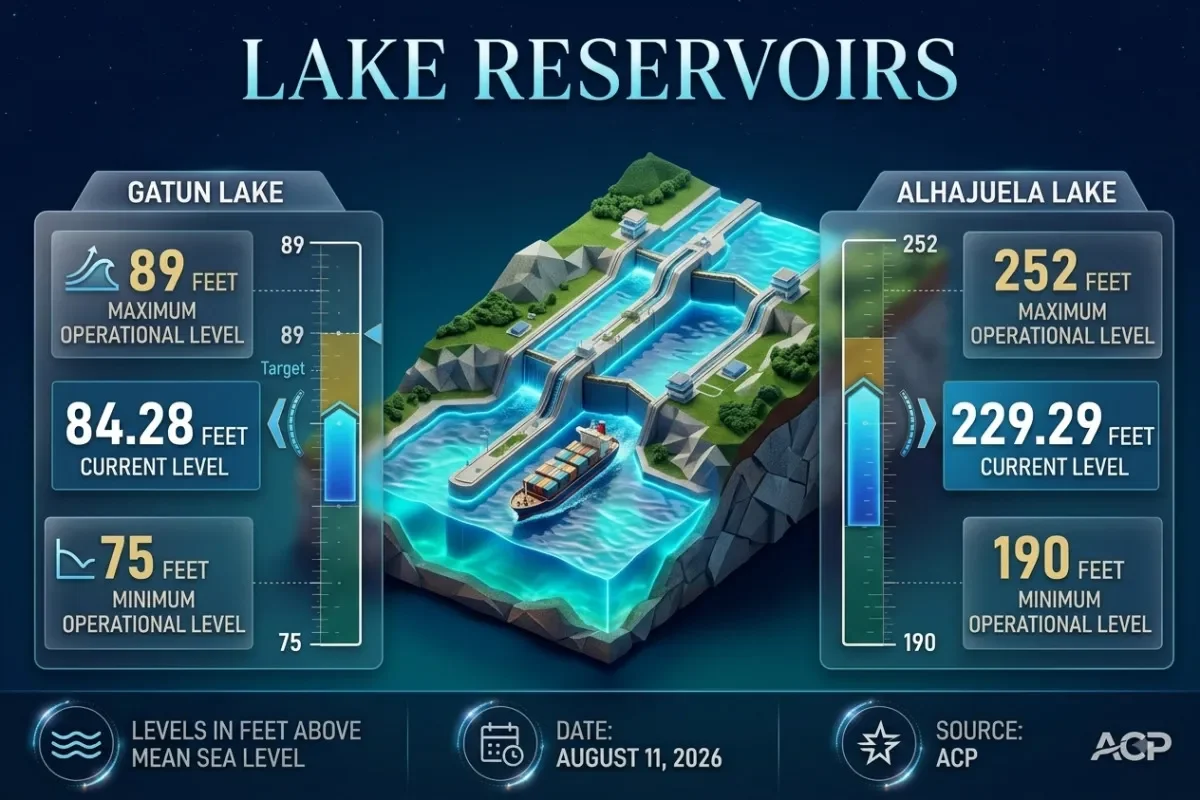
As climate forecasts predict diminished rainfall through 2027, Panamanians can now monitor Panama reservoir levels through a weekly public update that tracks the two vital lakes feeding the Panama Canal and urban water supplies. The initiative comes from a major national television network that, citing its environmental responsibility, will publish the data every Tuesday to help the public understand the pressure on freshwater sources as the country braces for extended dry conditions fueled by a powerful El Niño event.
Monitoring Panama Reservoir Levels for Public Awareness
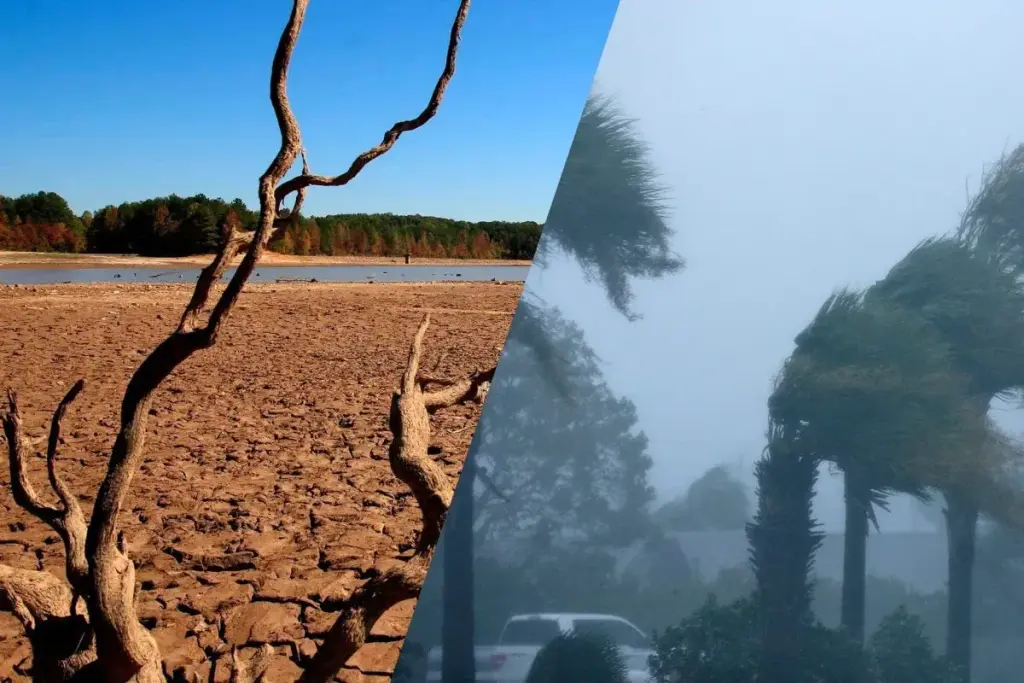
Announcing the new weekly segment, the broadcasting group made clear that the decision responds directly to forecasts showing a sustained drop in precipitation linked to the lingering El Niño phenomenon. Network executives framed the effort as part of a broader corporate environmental pillar, aiming to keep the issue in plain sight at a time when many families and businesses rely on predictable water cycles.
‘With this information, we seek to raise awareness of the importance of responsible water use and allow Panamanians to follow an environmental reality that is becoming increasingly complicated.’ [Translated from Spanish]
The data, drawn from the Panama Canal Authority’s real-time monitoring systems, shows the latest readings as of Tuesday afternoon. By making these figures a fixed part of the weekly news cycle, the network hopes to create a habit of accountability. Viewers and readers no longer need to dig through technical reports; they will see the reservoirs’ health alongside other essential news, reinforcing the link between daily consumption and the larger hydrological picture.

Gatún and Alhajuela: The Twin Lifelines of the Canal and Cities
Panama’s water security rests heavily on two artificial lakes. Gatún Lake, the sprawling 425-square-kilometer reservoir built during the original canal construction, feeds the lock chambers on both the Atlantic and Pacific sides. Alhajuela Lake, created later by Madden Dam, acts as a regulatory buffer, storing water and releasing it into Gatún as needed. Together, they don’t just float the transoceanic shipping route, they supply drinking water to the treatment plants serving Colón, Panama Oeste, and the capital city.
On Tuesday, August 11, the recorded Panama reservoir levels told a reasonably reassuring short-term story. Gatún stood at 84.28 feet, a safe 9.28 feet above its minimum operational threshold of 75 feet. Alhajuela reached 229.29 feet, towering 39.29 feet above its 190-foot minimum. Over the previous month, Gatún had hovered with only slight fluctuations around 84 feet, while Alhajuela climbed steadily from 224 feet in early August to its current mark. For now, the numbers provide breathing room, but the broader trend that prompted this transparency effort has already alarmed hydrologists and shippers alike.
El Niño’s Projected Impact and Historical Drought Stress
Even a quick glance at recent history explains why Panama reservoir levels carry such urgency. The 2023-2024 dry season turned catastrophic when Gatún’s depth plummeted toward record lows, forcing the Canal Authority to slash daily transits from the normal 36 ships to as few as 24. Each Neopanamax lockage consumes roughly 51 million gallons of fresh water, a staggering volume that normally gets replenished by the rainforests of the canal watershed. When the rains faltered, cargo backlogs stretched across continents, and some carriers paid millions of dollars to jump the queue.
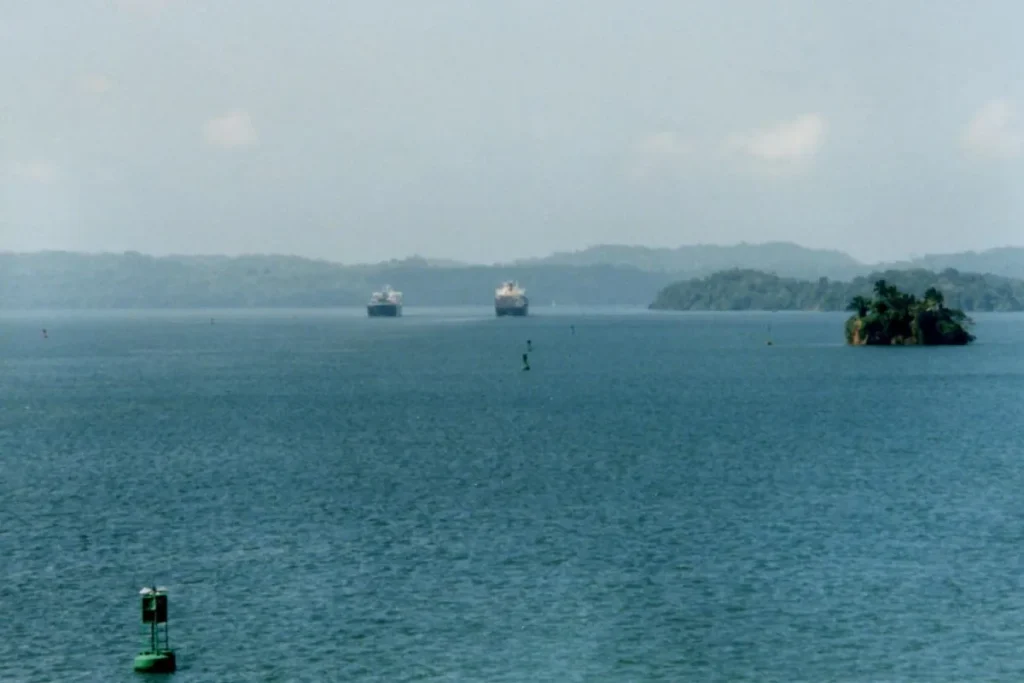
The present forecast, extending to 2027, signals that relief will not come quickly. El Niño tends to suppress precipitation in Central America, and the current cycle, one of the strongest on record, has already left its mark. The canal authority has been experimenting with water-saving measures, including cross-filling lock chambers and suspension of daytime transit restrictions during severe drought. Still, the long-range outlook means that even healthy reservoir readings today can vanish within months if the wet season disappoints. Weekly public tracking, So, becomes a kind of early warning system for the entire economy.
A Call for Responsible Water Use Across Panama
Behind the numbers lies a direct appeal to the millions of people who depend on the same liquid asset. The drinking water that flows into homes in Panama City, Colón, and across Panama Oeste originates in these reservoirs; an environmental crunch inside the canal zone quickly turns into a household crisis. Authorities and the network alike stress that each citizen can help slow the depletion by fixing leaks, using low-flow fixtures, and reporting waste. The message is that conservation isn’t just a corporate or governmental duty, it belongs to every tap, shower, and garden hose in the country.
Anyone curious to follow the data in greater detail can access the Canal Authority’s online dashboard, which refreshes with real-time readings. That tool, combined with the new weekly bulletins, gives Panama a robust picture of its most critical natural resource. With El Niño’s shadow stretching far into the future, the simple act of checking Panama reservoir levels may become as routine as glancing at a weather forecast, nudging the society toward a more resilient relationship with water.
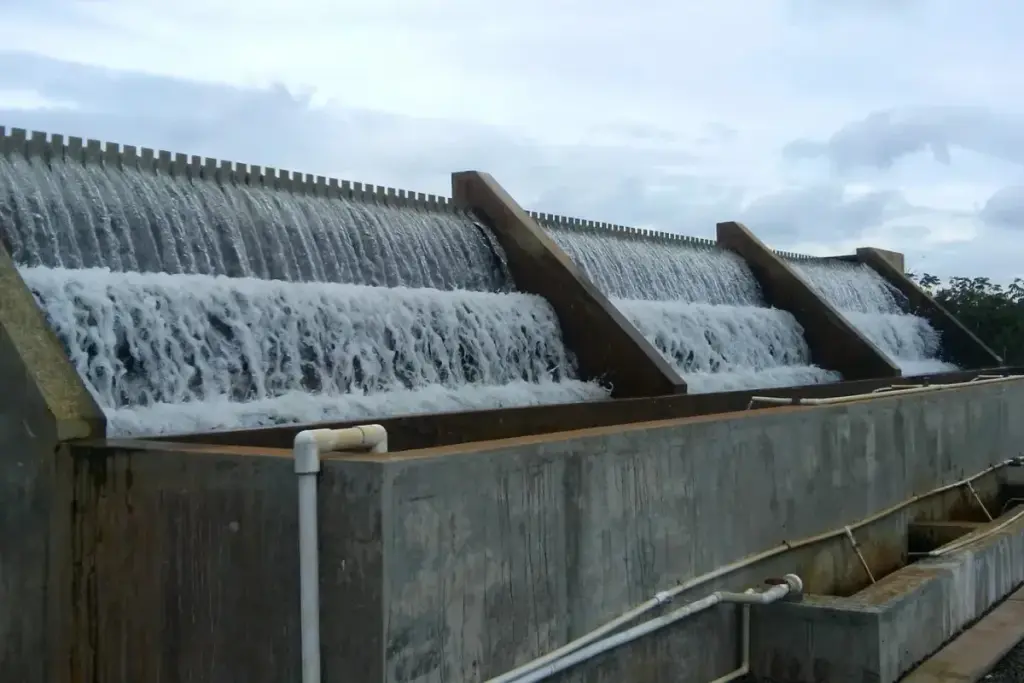
In the end, a television network’s decision to turn lake gauges into a weekly ritual mirrors a broader truth: the canal’s future, and the region’s prosperity, floats on decisions made today. The data will keep flowing, every Tuesday, offering a clear-eyed look at whether the country can navigate the dry years ahead without running its reserves dangerously low.