


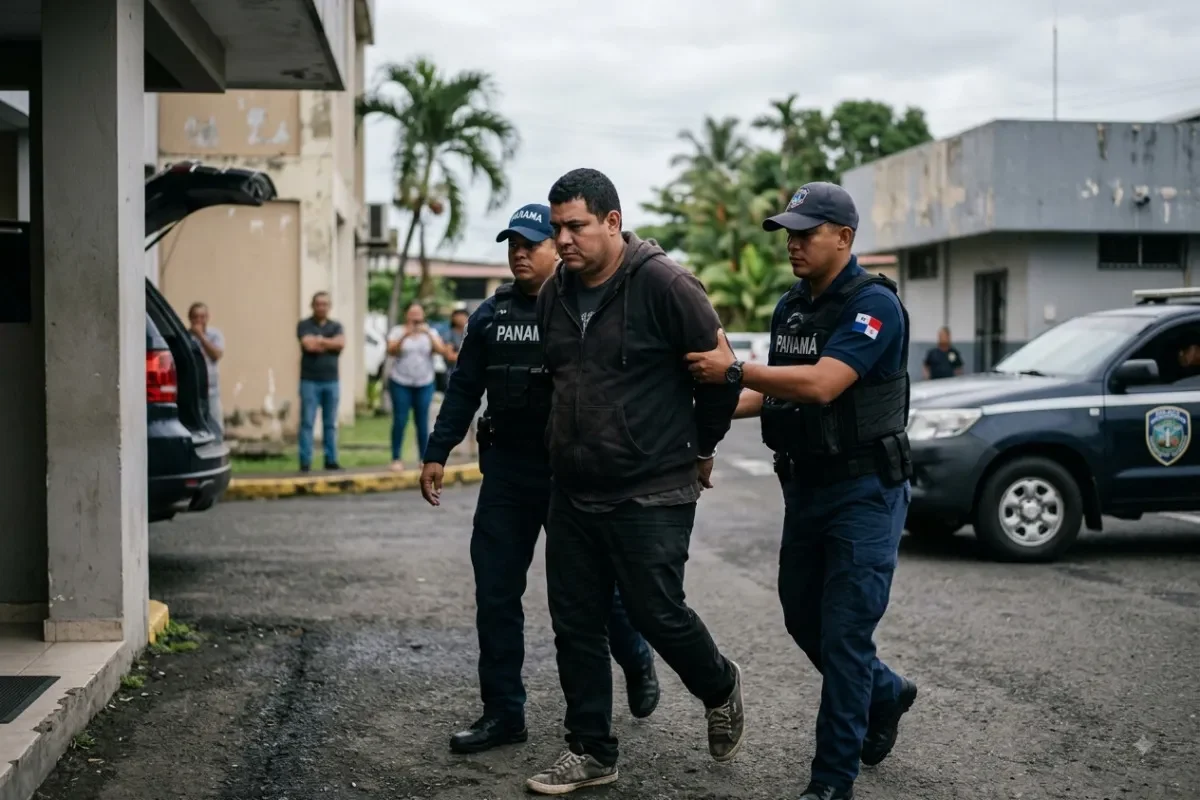
A second suspected war recruitment agent was ordered held in provisional detention Tuesday as Panamanian authorities expanded their criminal investigation into citizens being sent to fight in the Russia-Ukraine war. The man was arrested during a coordinated operation by the Second Specialized Prosecutor’s Office against Organized Crime and the National Police. He was then presented before a judge at the accusatory criminal system in Plaza Ágora, where prosecutors charged him with the presumed crime of human trafficking.
Panama Expands War Recruitment Agent Investigation
The Public Ministry now manages six open investigations linked to the recruitment of Panamanians for combat abroad. Investigators suspect that more than 20 people were enlisted through a network that promised military contracts, relocation support, and steady payments. The second arrest indicates that the investigation has moved beyond the recruits themselves and is now targeting organizers and intermediaries.
Court documents describe the role of a war recruitment agent as someone who identifies potential fighters, arranges travel documents, and connects them with military units or private contractors. Prosecutors have not released the suspect’s name, but they confirmed that Tuesday’s apprehension was part of a larger police operation. The involvement of the Second Specialized Prosecutor’s Office against Organized Crime underscores the complexity of the case, as this unit typically handles transnational criminal networks.
The first person imputed in the investigation was already facing judicial proceedings, and this second detention suggests authorities are working to dismantle the entire chain of recruitment. Each of the six open investigations may correspond to different routes, victims, or recruiters. Legal experts say human trafficking charges in Panama carry serious consequences, especially when victims are transported across international borders under false promises.
Seven Citizens Return Home With Consular Support
Seven Panamanians returned to the country last week with assistance from the Foreign Ministry. Five of them came from Russia and two from Ukraine. Their arrival followed weeks of diplomatic coordination and gave families some relief after relatives reported loved ones trapped in the conflict zone or unable to return on their own.
The repatriated citizens are likely to become key witnesses in the unfolding investigation. Prosecutors said they are coordinating with the Foreign Ministry to review each family’s case, trace how recruitment contacts began, and identify the people who arranged travel. Testimony from those who returned could help authorities understand how the network operated, what recruits were promised, and whether coercion or deception was used.
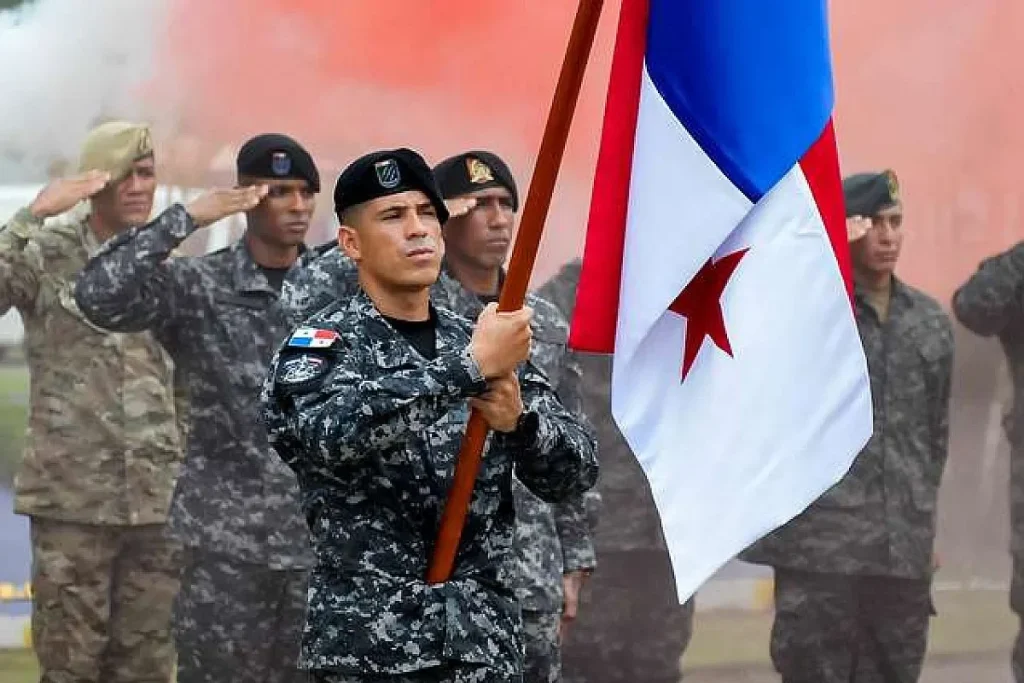
Panama has no standing army, a status established after the country abolished its military in 1990. That makes the presence of Panamanian nationals in a foreign war particularly striking. Citizens who take up arms for another state without authorization may face legal exposure at home, while the Panamanian government has a duty to protect them from trafficking and exploitation.

Human Trafficking Charges and Judicial Process
The formal accusation against the second suspect focuses on human trafficking rather than mercenary activity. Prosecutors allege that people were recruited under conditions that may have included deception, coercion, or exploitation. The court must now determine whether the evidence justifies continued detention during the investigation.
Under Panama’s accusatory criminal system, a judge evaluates the strength of the charges, the defendant’s ties to the community, and the risk of flight before imposing provisional detention. The hearing at Plaza Ágora allowed both prosecutors and defense lawyers to present their positions. The judge ultimately ordered the suspect held while the Public Ministry continues building its case.
Investigators are reportedly reviewing travel records, communications, and financial transactions to map out the recruitment network. The six open files point to an organized operation rather than isolated incidents. Some recruits may have signed contracts believing they would receive non-combat roles or support jobs, only to face front-line deployment once they arrived.
Foreign Ministry Coordination and Broader Implications
The Public Ministry continues to work with the Foreign Ministry to track cases reported by families. That coordination is critical because some Panamanians may still be in Russia, Ukraine, or neighboring countries. Consular officials have been involved in verifying identities and assisting citizens who reached out for help from abroad.
Across Latin America, several governments have reported similar recruitment attempts tied to the Russia-Ukraine war. Recruiters often lure people with promises of high pay,