


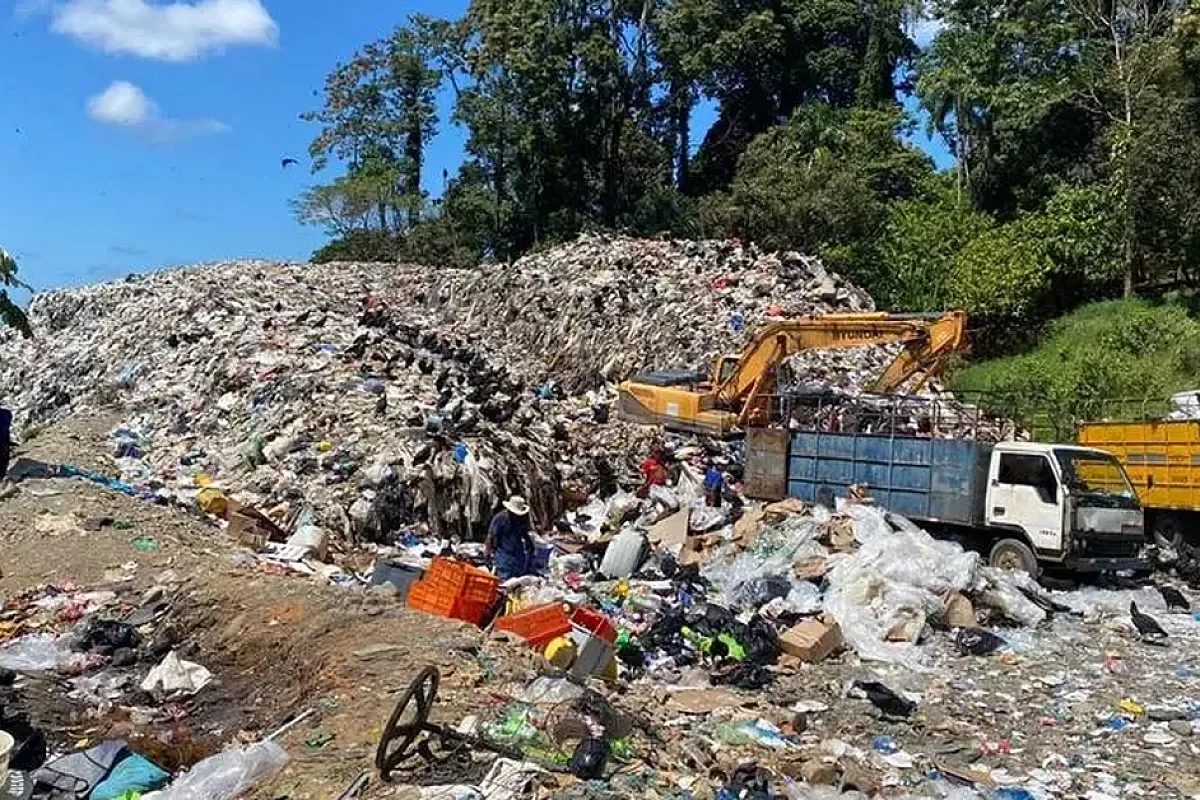
A growing waste accumulation across Chiriquí Grande has pushed Bocas del Toro sanitation to a critical point, with residents and business owners warning that public health and local waterways now face immediate risk. The crisis stems from the municipal landfill’s closure due to contamination problems, leaving garbage piled in several areas of the district while authorities scramble to identify an alternative disposal site.
Officials from Panama’s Ministry of Environment confirmed that two technical inspectors are currently evaluating land near Punta Robalo, property identified by Petroterminal, as a possible location for a new landfill. The inspection comes as urgent pressure mounts to prevent further environmental damage.
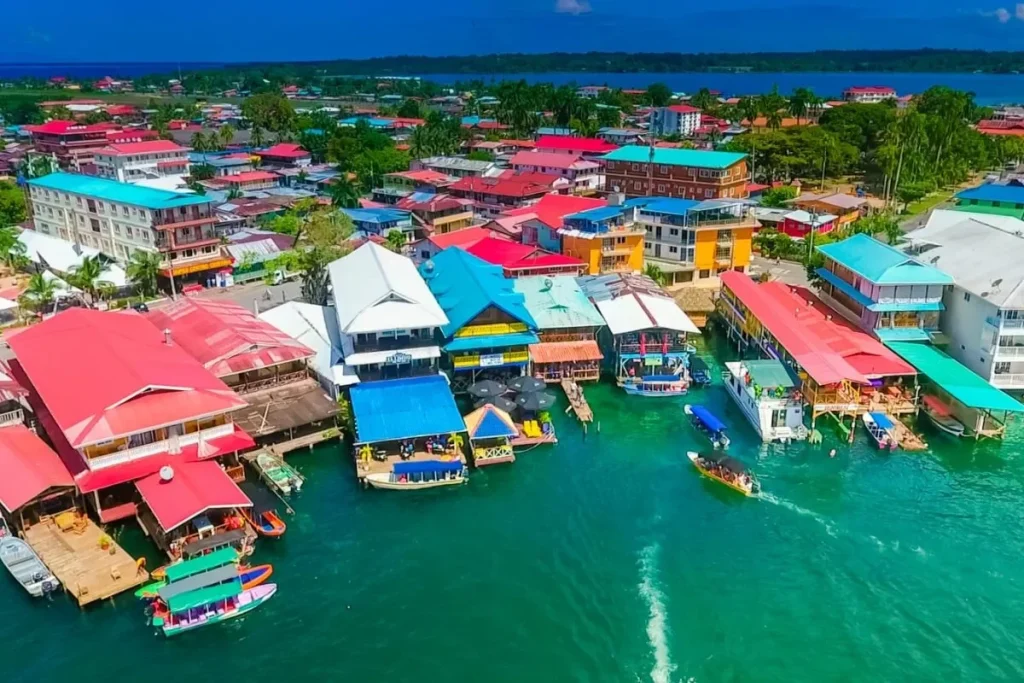
Health Risks From Bocas del Toro Sanitation Breakdown
The unchecked waste buildup creates serious disease vectors for communities in Chiriquí Grande. Rotting organic matter attracts rodents, flies, and other pests that can transmit illnesses including leptospirosis, dengue, and gastrointestinal infections. Children and elderly residents face the highest vulnerability, particularly in neighborhoods where garbage piles sit near homes and small businesses.
Business owner Clara Palacio described the situation bluntly.
“We are worried, no one is collecting. It is important to take the right measures. The municipality has already been communicating that they will not be collecting and we don’t see the measures that have been taken” [Translated from Spanish]
Without regular collection, household waste accumulates in open air, creating breeding grounds for mosquitoes that spread vector-borne diseases. Standing water trapped in discarded containers compounds the risk during rainy periods, which are frequent in the Bocas del Toro province.
Water Contamination and Environmental Damage
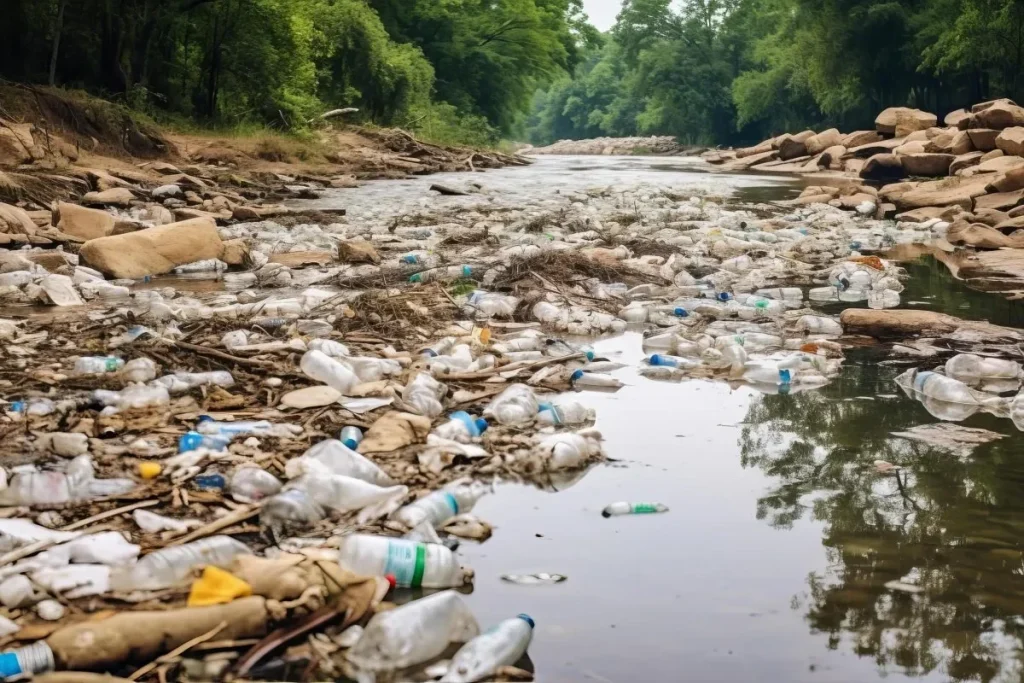
Ministry of Environment regional director Mileyka Gonzales said a field inspection one week ago confirmed that waste had already affected local water currents. The contamination threatens both drinking water sources and marine ecosystems that many families depend on for fishing and small-scale tourism income.
The old landfill itself had reached critical saturation levels and experienced several fires, according to Gonzales. Those fires release toxic smoke containing particulate matter and potentially dioxins from burning plastics, creating respiratory hazards for nearby communities. Runoff from the saturated site carries leachate into streams and eventually reaches coastal waters, harming coral reefs and fish populations.
🗑️Chiriquí Grande enfrenta un serio problema por la acumulación de basura tras el cierre del vertedero municipal. MiAmbiente reportó saturación, incendios y afectaciones en corrientes de agua. Técnicos inspeccionan terrenos en Punta Robalo 🌐https://t.co/ND70H6CokB #RetenChiriquí https://t.co/9w9RF7qGnd
— Reten_Chiriqui (@RetenChiriqui) October 5, 2026
Authorities have held meetings with the Municipality of Changuinola to study waste management models that could be adapted for Chiriquí Grande. The goal is to establish a reference system between municipalities that prevents future sanitation breakdowns.
Community Response and Urgent Alternatives
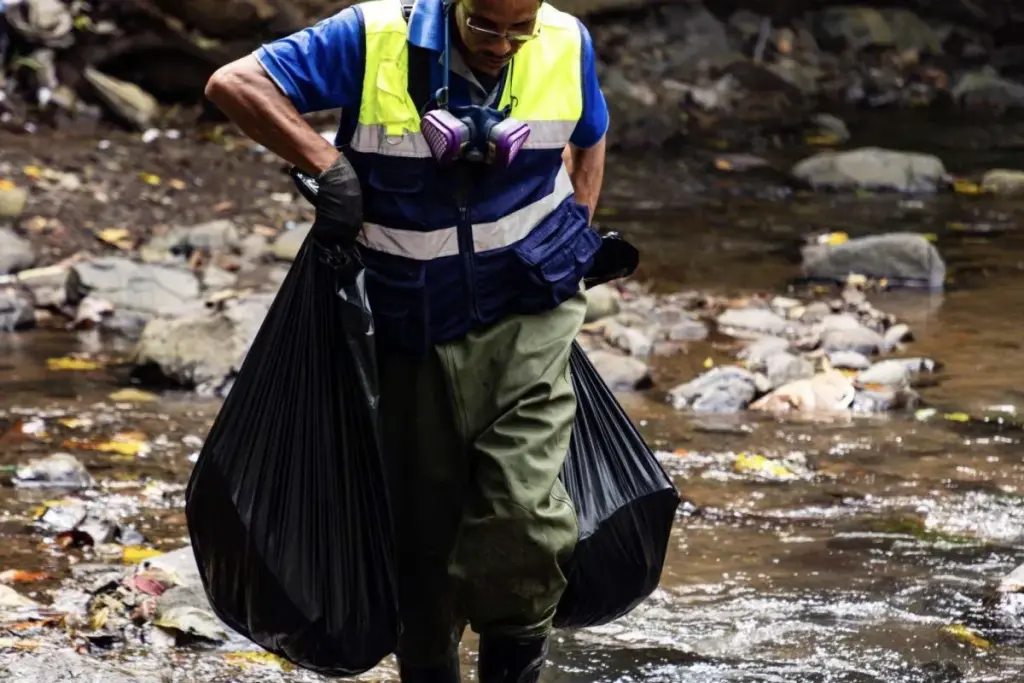
Local residents are pushing for immediate action, including public education campaigns focused on proper waste classification at the household level. Reducing the volume of mixed waste through separation could ease pressure on whatever new disposal site is selected. But traders and families say they need functional collection routes restored first.
The proposed Punta Robalo site remains under technical review, with no timeline announced for when a new landfill might open. Until then, garbage continues to accumulate across the district, intensifying both the public health emergency and the contamination of surrounding ecosystems.