


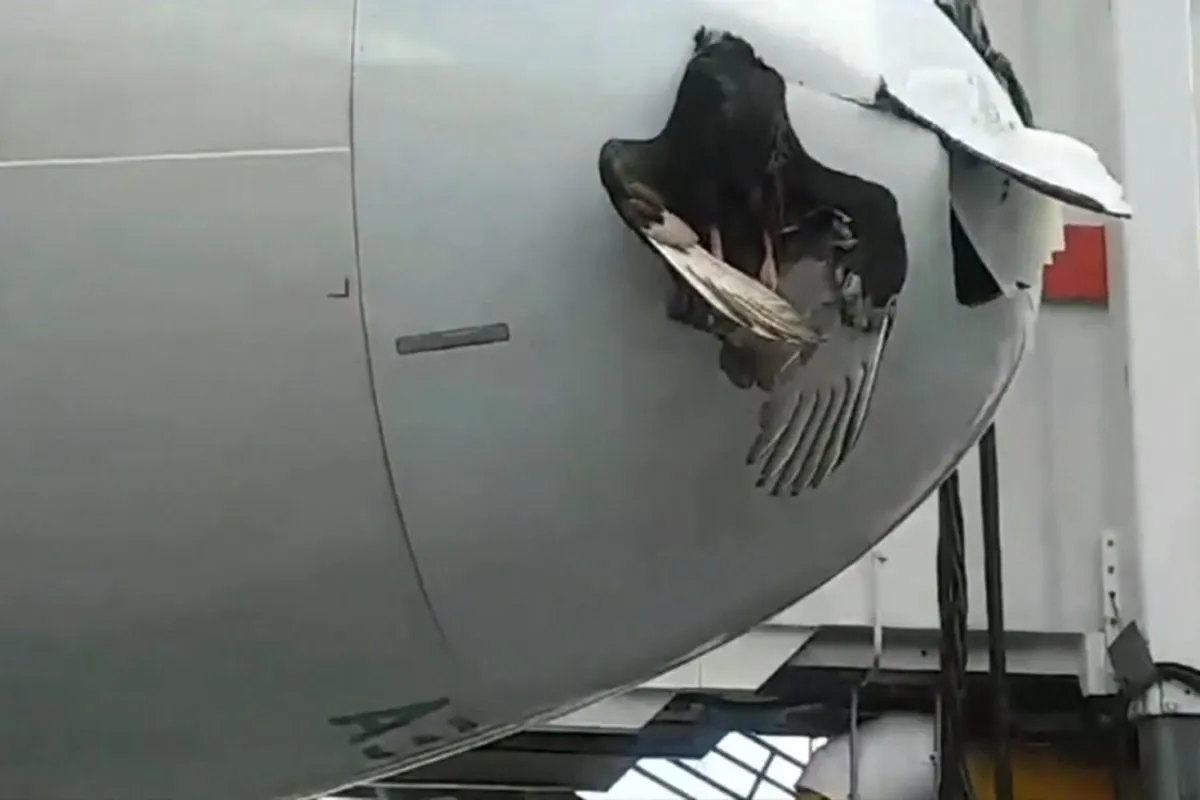
The Panamanian Union of Commercial Aviators (UNPAC) has formally requested that Tocumen International Airport reinforce its prevention protocols against aircraft bird strikes ahead of the seasonal migration surge. The union submitted an official notice to airport administrators on Wednesday, calling for immediate coordination across wildlife management, operations, and maintenance teams.
The request targets increased monitoring near runways and taxiways, where bird activity poses the greatest operational hazard. UNPAC emphasized that migratory season is a predictable condition, making early action both necessary and feasible to protect aircraft, passengers, and airport personnel.
Wildlife Management and Operational Safety Measures
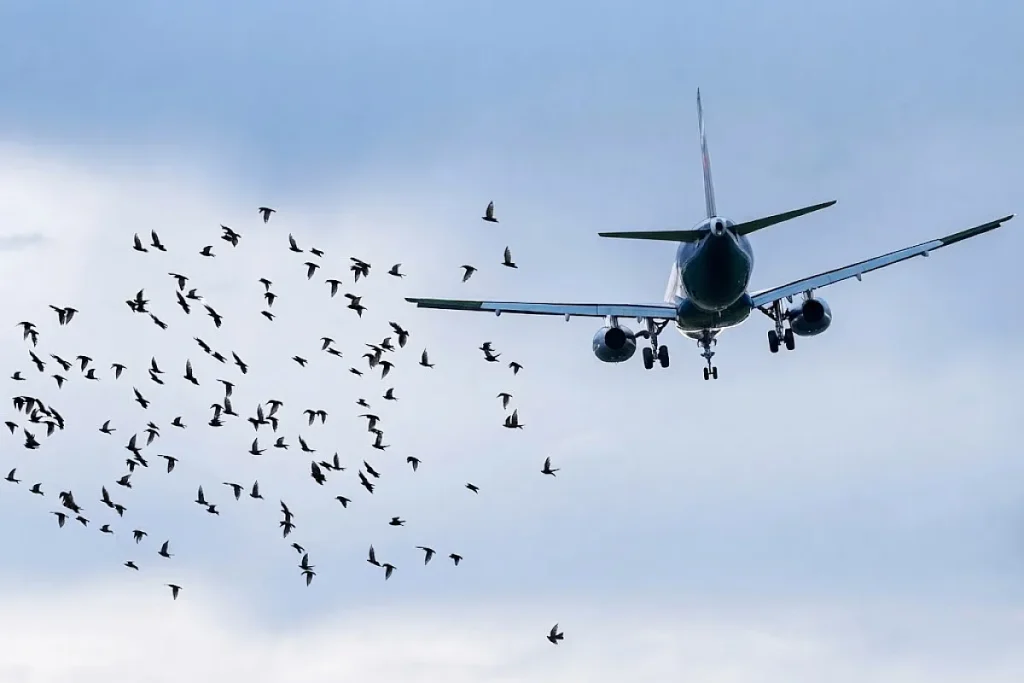
UNPAC urged the airport to strengthen its Fauna Management and Avian Hazard Control programs, particularly in high-risk movement areas. The union called for round-the-clock availability of trained personnel, vehicles, and specialized equipment to respond to wildlife threats. Regular vegetation control and prompt correction of drainage issues, standing water, and puddles were also flagged as critical to deterring bird congregations.
The pilots’ organization highlighted that accumulated water and overgrown grass attract insects, rodents, and scavenger birds, all of which increase the likelihood of dangerous encounters with aircraft. Cleaning protocols must also be expanded to remove cut grass, garbage, and organic waste from operational zones.

Interdepartmental Coordination and Reporting Requirements
The formal request stresses permanent coordination between Fauna Management, Operations, Maintenance, and Operational Safety departments. UNPAC asked that the Operational Safety Management System and the Runway Safety Team receive continuous updates on any significant shift in avian hazard levels or newly adopted countermeasures.
Without sustained interdepartmental communication, the union argued, response times lag and preventable incidents become more probable. The pilots reiterated their willingness to collaborate with Tocumen’s administration, offering commercial aviation expertise to refine risk reduction strategies.
Migratory Season Heightens Aircraft Bird Strikes Risk
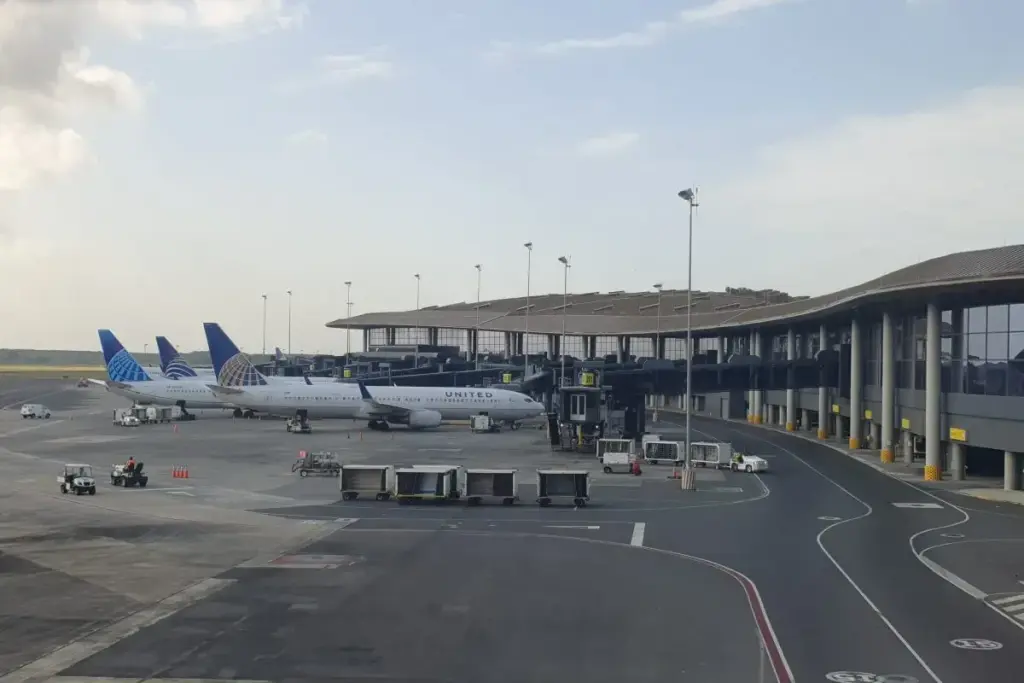
Bird migration patterns in Central America peak between September and November, drawing large flocks through Panama’s airspace. Tocumen, as the region’s primary hub, handles hundreds of daily movements, amplifying exposure to wildlife hazards. The union’s request arrives as regional airports report rising bird-incidents during transit periods.
UNPAC’s proactive stance reflects broader industry concerns over aviation safety in tropical climates, where year-round biodiversity demands constant vigilance. The union stressed that coordinated, sustained action remains the most effective defense against material damage and operational disruptions caused by bird impacts.