


Panama’s criminal underworld is now controlled by eight major criminal structures. The Panama National Police confirmed this week that 121 gang groups currently operate across the country. That number marks a decrease from 180 groups identified in 2024.
But officials warn the drop doesn’t signal victory. The gangs have evolved into more fragmented and specialized networks. Many now connect directly with international drug trafficking organizations.
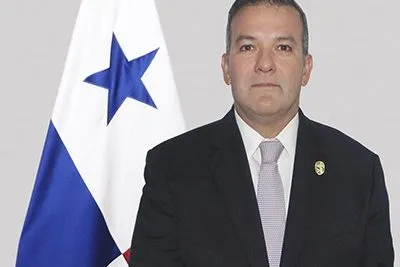
Panama National Police Director Jaime Fernández explained the shift during an exclusive interview. “We no longer speak only of gangs but of gang groups that work for larger operators,” Fernández said. [Translated from Spanish]
The transformation reflects broader trends in organized crime in Panama. Local street gangs have moved beyond territorial disputes. They now function as subcontractors for transnational cartels.
Eight Structures Behind 121 Criminal Groups
The police investigation identified eight dominant criminal currents. These operate as superior structures controlling smaller cells. The highest concentration remains in Panama City, San Miguelito and Colon province.
But authorities noted growth in Panama Oeste, Chiriqui and coastal areas. These regions serve as key drug trafficking routes toward international markets.
Bagdad ranks as one of the most violent organizations. It operates across Panama district, San Miguelito, Colon and Panama Oeste. Police link the group directly to drug transportation and cartel operations. Its main leader Jorge Ruben Camargo Clarke remains detained in the United States.
RG 4Life operates from Colon province. The group engages in extortion, robberies, kidnappings and homicides. Its sectors include Altos de los Lagos, Cristobal Este, Rio Alejandro and Nueva Providencia. Leader Juan Vicente Blandford White is incarcerated at Punta Coco prison on Isla del Rey.
“This group has been one of the main causes of the highest number of homicides committed in Colon so far this year,” said National Police Director Jaime Fernández. [Translated from Spanish]
Roca emerged from RG 4Life’s fragmentation. Police describe it as one of Colon’s most violent structures. It maintains presence in San Miguelito where authorities count 35 active gangs. The group controls drug routes, micro-trafficking and carries out contract killings.
Killa operates mainly in Sabanitas within Colon province. The organization has fractured into smaller cells. It maintains an active war with RG 4Life. According to Fernández, the group’s founder and main leader currently resides in Europe.
Mafia Filipina works in metropolitan areas especially Pedregal. Police link it to drug trafficking, drug thefts and contract killings. It coordinates operations with the HP gang which maintains territorial control in that zone.
HP or Manzana Cero controls operations in eastern Panama. Its territory covers Felipillo, Pacora, Chepo and sections of Guna Yala. Leader Carlos Roberto Aguilar remains a fugitive with an Interpol red notice. The group actively collaborates with Colombia’s Clan del Golfo.
Sinaloa operates primarily in San Miguelito sectors including Samaria, Veranillo, Belisario Porras and Amelia Denis de Icaza. Authorities attribute homicides, weapons trafficking and micro-trafficking to this structure.

European Connection Raises Concerns
Both Police Director Fernández and Security Minister Frank Abrego confirmed these groups maintain transnational connections. They specifically cited links to organizations dedicated to contaminating shipping containers with drugs destined for Europe.
“We are an important doorkeeper toward Europe,” Fernández said. [Translated from Spanish]
The institution maintains coordination with police agencies from Spain, France and the Netherlands. These partnerships focus on intercepting drug shipments before they reach European ports.
Authorities emphasize that while some local groups use names associated with notorious international criminal organizations, they don’t necessarily maintain direct organic links. The branding often serves intimidation purposes rather than indicating formal alliances.
The police continue monitoring all 121 identified groups. National Police operations target both the smaller cells and the eight superior structures. Officials say dismantling the leadership remains the priority.
The evolving criminal landscape presents new challenges for law enforcement. Groups now operate with greater specialization and fragmentation. This makes traditional gang suppression tactics less effective against networks connected to international drug trafficking.