


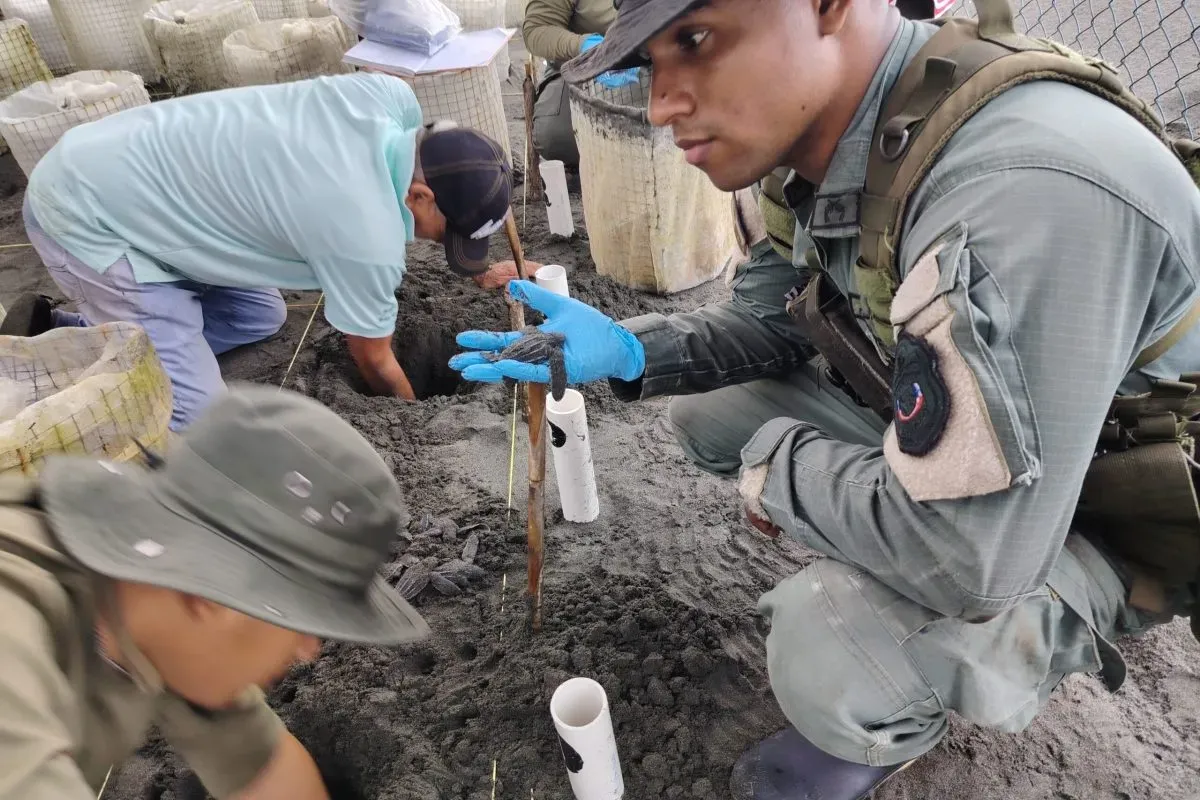
BOCAS DEL TORO, Panama – Park rangers released 144 baby sea turtles on San San beach. The release happened inside the San San Pond Sak Wetland National Park. This event is part of ongoing conservation efforts for endangered marine species in the province of Bocas del Toro.
The operation involved multiple organizations working together. Rangers from the National System of Protected Areas (Sinap) Panama led the effort. They were joined by units from the Environmental Police and monitors from the Association of Friends and Neighbors of the Coast and Nature, known locally as Ammvecona. The Ministry of Environment confirmed the details of the operation.
Details of the Sea Turtle Release and Incubation Process
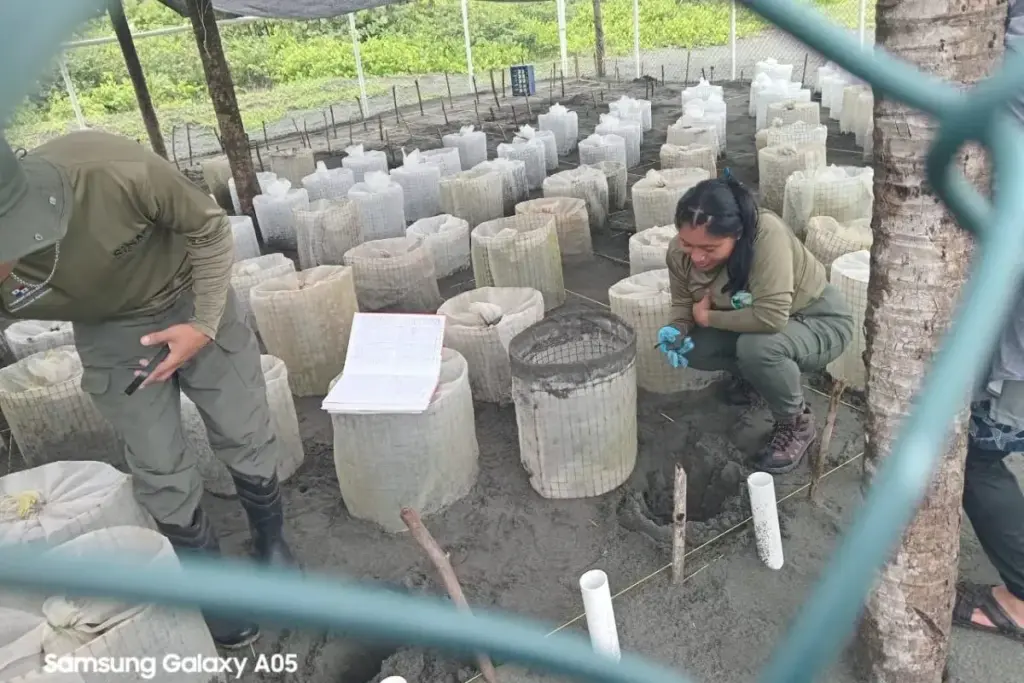
The hatchlings spent nearly 75 days in incubation. They developed inside a specially equipped nursery designed for nest protection and management. The goal was clear. Officials wanted to boost the turtles’ survival chances before they entered the ocean. The Ministry of Environment provided this timeline.
Technical staff and park rangers supervised the entire release. They checked all conditions were right for moving the newborns to the beach. They watched as the tiny turtles made their way toward the water. Every step was carefully monitored.
These actions are part of the management and conservation programs developed within the San San Pond Sak Wetland National Park. This protected area is recognized for its ecological richness and for hosting wetland, mangrove, beach and coastal-marine ecosystems. [Translated from Spanish]
San San beach holds special significance. Experts consider it one of the most important nesting sites for sea turtle conservation Panama has to offer. During reproductive seasons, authorities maintain constant surveillance and monitoring operations. These efforts protect nests from threats like poaching, pollution and natural predation.
Broader Conservation Impact and Next Steps
The Environment Bocas team continues to push these programs forward. Environmental authorities highlighted the importance of these actions. They represent a direct investment in species protection and ecosystem health.
The Ministry Environment runs these conservation programs year-round. Park rangers patrol sensitive areas regularly. They collect data on nesting patterns and hatchling success rates. This information helps refine protection strategies.
Local communities play a vital role in these efforts. The Association of Friends and Neighbors of the Coast and Nature provides volunteer monitors. These residents know the beaches intimately. Their presence deters illegal activities and supports scientific research.
San San Pond Sak Wetland National Park covers a diverse landscape. It includes wetlands, mangroves, beaches and coastal marine zones. This variety of habitats supports an incredible range of wildlife. The park serves as a critical refuge for numerous species beyond sea turtles.
Climate change poses new challenges for conservation teams. Rising sea levels threaten nesting beaches. Warmer sand temperatures can alter hatchling sex ratios. Park managers are studying these impacts closely. They adapt their strategies as conditions change.
Tourism in Bocas del Toro continues to grow. Visitors flock to the region for its natural beauty. Conservation officials work to balance public access with wildlife protection. They educate tourists about proper beach behavior during nesting season.
The 144 hatchlings represent a tangible success. Each tiny turtle that reached the ocean carries hope for the species. These animals will spend years at sea before returning to nest. If they survive, they will continue the cycle of life on these protected shores.