


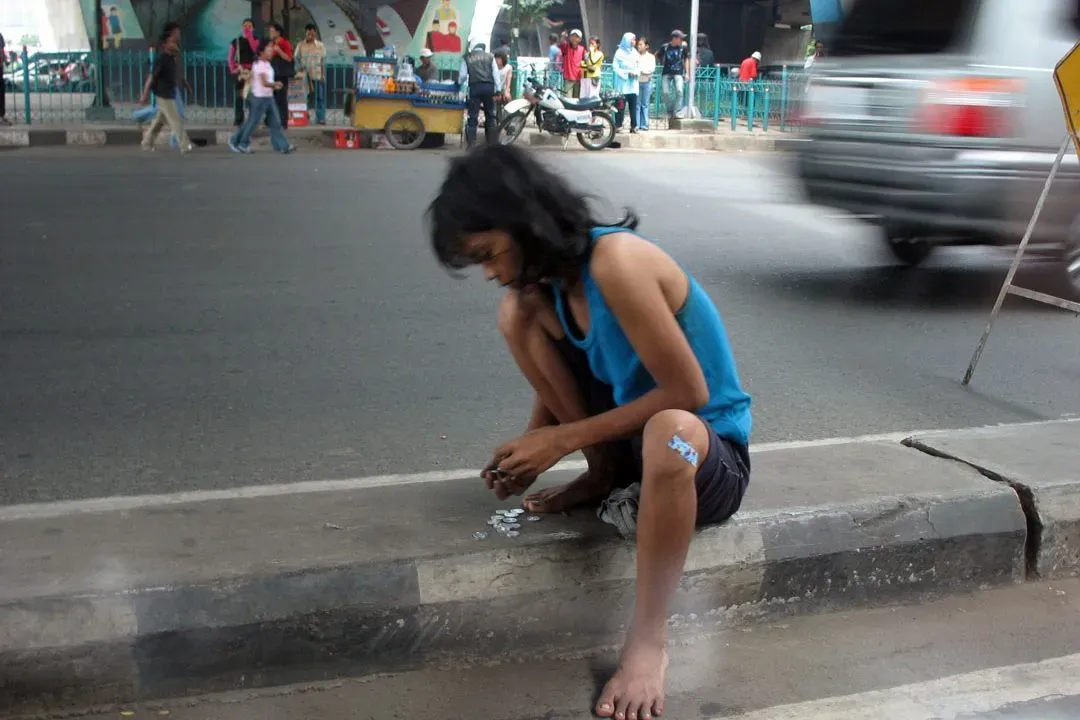
Bella Vista representative César Kiamco has formally requested a national debate in the Panama National Assembly to address the growing crisis of homelessness. The request, submitted this week, argues that local governments cannot handle this complex problem alone.
Kiamco sent a formal letter to the president of the National Assembly. He wants a technical, inter-institutional discussion about the state’s current capacity to serve this vulnerable population. The issue touches public health, security, social services and human rights.
The situation has escalated across Panama City neighborhoods. Residents in areas like Bella Vista and Marbella report increasing encounters with people living on the streets. Local authorities say they lack the legal tools and resources to respond effectively.
Legal Gaps and Institutional Limits
The Bella Vista Community Board issued a statement detailing the representative’s concerns. Kiamco emphasized that local governments face daily situations involving mental health crises, addiction, abandonment and extreme vulnerability. But current legal and institutional frameworks prevent quick, coordinated responses.
We can’t keep pretending this reality can be handled only from the neighborhoods. The country needs a serious conversation and more comprehensive solutions. [Translated from Spanish]
Kiamco’s proposal identifies several critical gaps. Mental health services remain insufficient for the scale of the problem. Addiction treatment programs lack capacity and funding. No clear system exists to track individuals in high-risk situations.
The mental health policy framework in Panama has struggled to keep pace with growing demand. Experts say the current approach fragments care across multiple agencies without clear leadership or accountability.
Five Key Areas for National Discussion
The representative outlined specific topics for the proposed debate. First, existing gaps in mental health care and addiction treatment. Second, mechanisms to monitor people in highly vulnerable conditions.
Third, the debate would define clear responsibilities between national institutions and local governments. Fourth, lawmakers would explore legal tools for intervention in cases of severe deterioration or obvious risk. Fifth, the discussion would focus on strengthening sustainable rehabilitation and social reintegration programs.
These issues affect the homeless population in Panama directly. Without coordinated national policy, local communities bear the entire burden of an escalating social crisis.
Beyond Municipal Solutions
The Bella Vista Community Board insists this problem cannot fall solely on municipalities and community boards. Its complexity demands national-level coordination and resources.
Current data on homelessness in Panama remains incomplete. Advocacy groups say official counts underestimate the true scale of the problem. Many individuals cycle between temporary shelters, hospital emergency rooms and the streets.
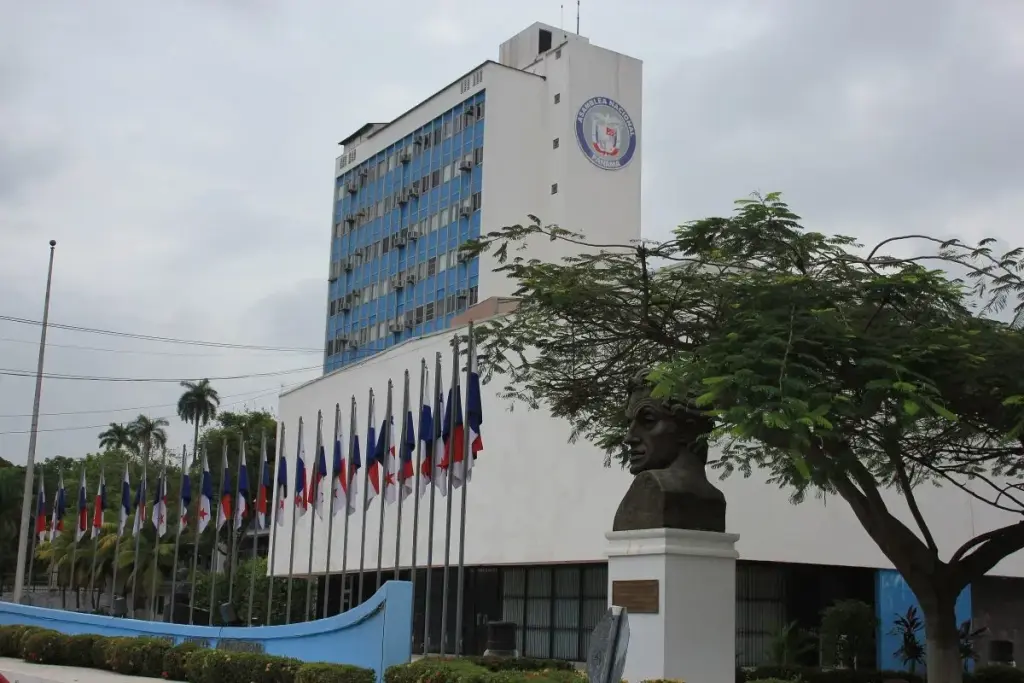
The National Assembly has not yet scheduled the debate. Kiamco’s office continues to push for a formal hearing. He wants lawmakers, health officials and social service agencies at the same table.
Residents in affected communities express frustration. They see people suffering on their streets every day. They want action, not more studies or promises.
The representative argues that sustainable solutions require clear legal frameworks. They need adequate funding and genuine inter-institutional coordination. Without these elements, local governments will continue struggling with a problem they were never designed to solve alone.
Kiamco’s proposal represents the first formal attempt to elevate homelessness from a local nuisance to a national policy priority. Whether the Assembly responds remains to be seen. But the letter has already sparked conversation among community leaders across the country.