


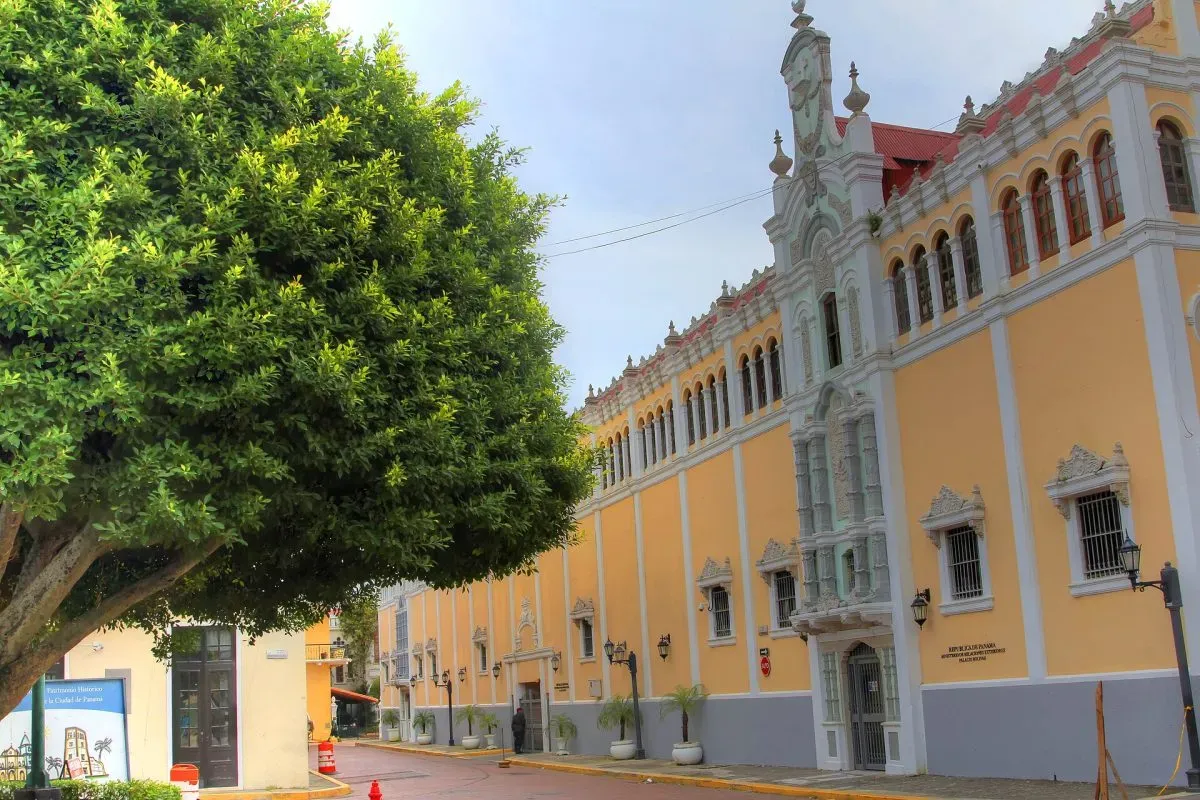
The Association of Diplomatic and Consular Career Officials of Panama (Adica) has sent a series of formal complaints to the Ministry of Foreign Affairs. The letters question administrative decisions and political appointments within the diplomatic service. Dated between May 18 and 19, 2026, the documents were addressed to Chancellor Javier Martínez-Acha and Vice Chancellor Carlos Hoyos.
Adica demands explanations about the lack of career official appointments in consulates and embassies. The group also cites failures to comply with established rotation periods for diplomats serving abroad. Delays in payments for promotions, travel allowances, and contingent expenses are another major concern.
Career Diplomats Versus Political Appointees
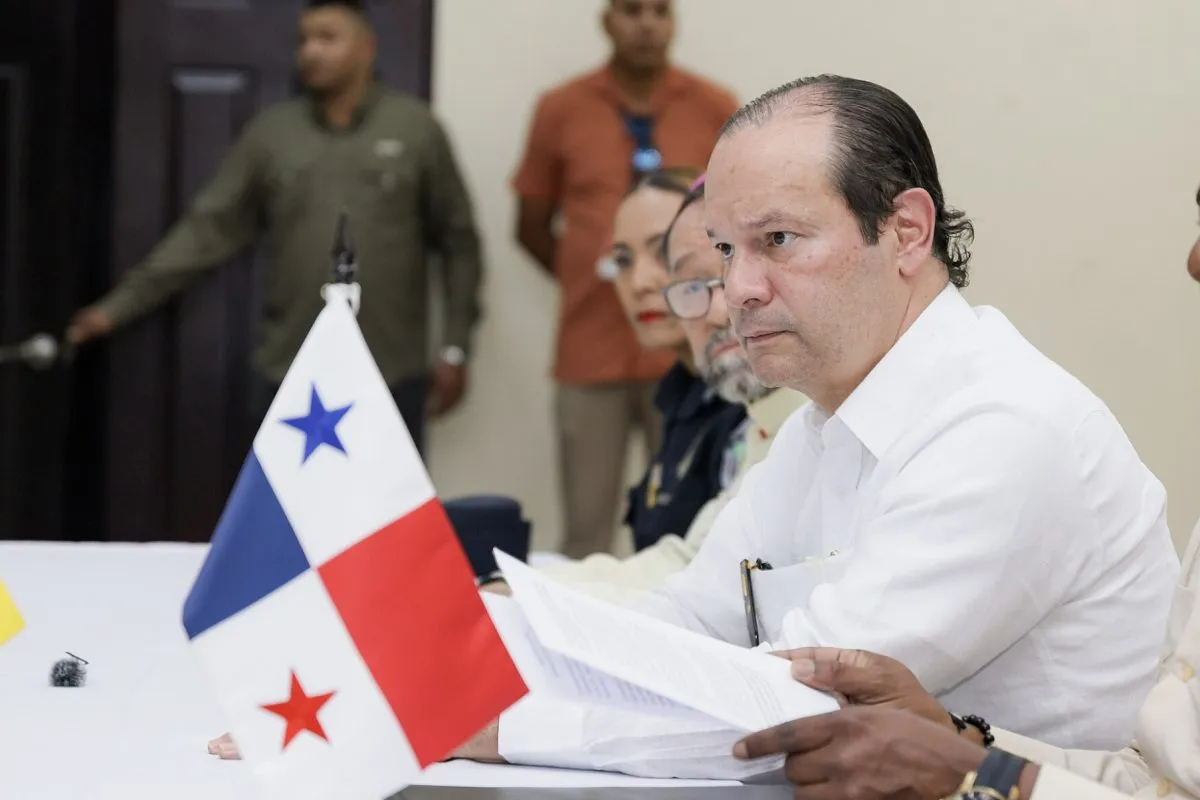
The organization specifically challenges the growing number of attachés compared to career diplomats in embassies and international organizations. They also criticize the appointment of chargés d’affaires who do not belong to the diplomatic career track. Adica further objects to the selection process for career representatives on internal ministry commissions. [Translated from Spanish]
“We are witnessing a systematic dismantling of the career diplomatic service,” said Aristóteles Aquiles García Marciaga, president of Adica. “Political appointments are replacing qualified professionals who have dedicated their lives to serving Panama abroad.” [Translated from Spanish]
Another key issue involves the lack of periodic salary table reviews. Contingent allowances have not been adjusted despite rising living costs in Panama and in countries where foreign service officials work. The association also demands accountability regarding the director of the Diplomatic Academy and the head of the Chancellery’s IT office. Technical problems allegedly affected the registration process for a recent diplomatic career entrance exam.
Violations and Long-Term Postings
Adica denounces that some attachés and consuls have remained in foreign service posts for periods ranging from five to 26 years. This directly violates existing law, the association argues. Career diplomats continue to be rejected by politically appointed ambassadors, and the group demands transparency on what criteria guide those decisions.
The most significant objection involves the appointment of ambassadors linked to the previous administration of the Democratic Revolutionary Party (PRD). Adica describes that government as “one of the most corrupt.” The organization bases its claims on principles found in the Public Servants Code of Ethics, particularly regarding probity, prudence, and justice in public service. [Translated from Spanish]
The association also requests that career representatives on various ministry commissions be elected by their peers rather than appointed. They argue that Decree 135, which regulated Law 28 of the Diplomatic and Consular Career, recognized the right of officials to elect representatives. That principle should remain valid as an “acquired right.”
Entrance Exam and Retiree Concerns
Adica questions the criteria used for the diplomatic career entrance competition. The organization demands that the “exceptional” use of regulations to include careers linked to the Sustainable Development Goals (SDGs) stop. These correspond to public policies, not pillars of Panamanian foreign policy, they argue.
The Foreign Ministry has yet to issue an official response to the complaints. In a separate communication, the association requests that retired individuals not be accepted in the selection process. Law 51 of the Social Security Fund establishes limitations on hiring retirees, they note.
The Ministry of Foreign Affairs of Panama operates under Chancellor Martínez-Acha’s leadership. The institution oversees all diplomatic missions and consular services worldwide. A career in the Panama diplomatic career typically requires passing rigorous examinations and completing specialized training at the Diplomatic Academy.
The letters bear the signature of García Marciaga. The association represents hundreds of career diplomats currently serving in Panama and abroad. Their complaints come amid broader scrutiny of government hiring practices and political appointments across multiple state institutions.