


Health authorities in Panama have confirmed a second case of Hantavirus linked to a livestock farm in the Montijo district. The Ministry of Health Panama announced the new infection on Wednesday as surveillance teams ramp up operations in the region.
The patient is a 19-year-old man who worked alongside a farm employee who recently died from the disease. Both individuals labored at the same agricultural property in Veraguas Province, a rural area known for cattle farming and crop production.
Health Officials Establish Emergency Response Table
The Ministry of Health, known locally as Minsa, has activated a situation table to analyze the disease’s behavior in the province. This command center coordinates prevention and control actions across affected communities. Health authorities are now conducting door-to-door visits in high-risk zones.
With this latest infection, Veraguas has recorded three hantavirus cases this year. The tally includes the deceased worker, the 19-year-old man, and a 35-year-old woman. Nationwide, Panama has reported nine hantavirus cases and one fatality during 2026.
Direct Statement from Public Health Director
“The 19-year-old patient maintained close contact with the deceased man from Ocú since both worked on the same livestock farm in Montijo. The young man’s condition remains stable and he is receiving outpatient medical care without requiring hospitalization.” [Translated from Spanish]
Yelkys Gill, the Director of Public Health at Minsa, provided these details during a press briefing. She emphasized that the patient does not need hospital admission at this time.
Surveillance and Prevention Measures Intensify
Epidemiological surveillance has been strengthened in communities surrounding the affected areas. Investigation teams are working to identify potential risk factors linked to the detected cases. Officials are particularly focused on rural zones where rodent exposure is higher.
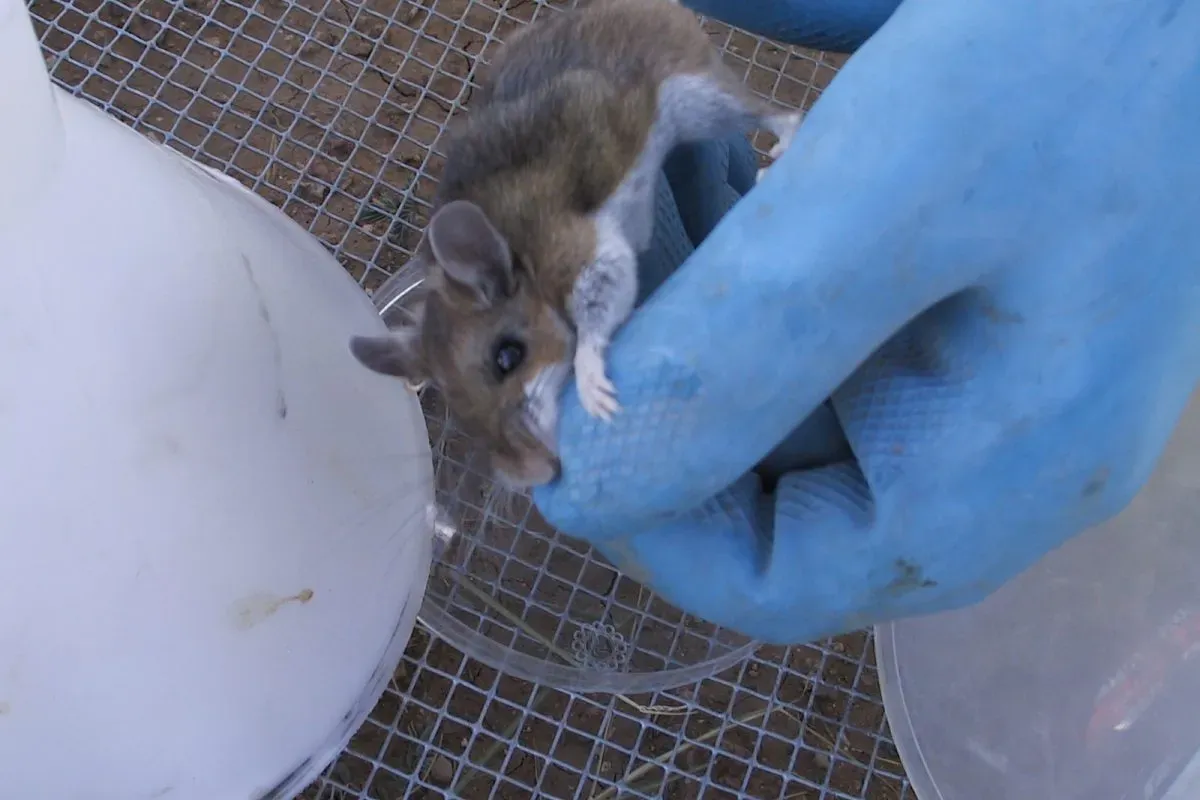
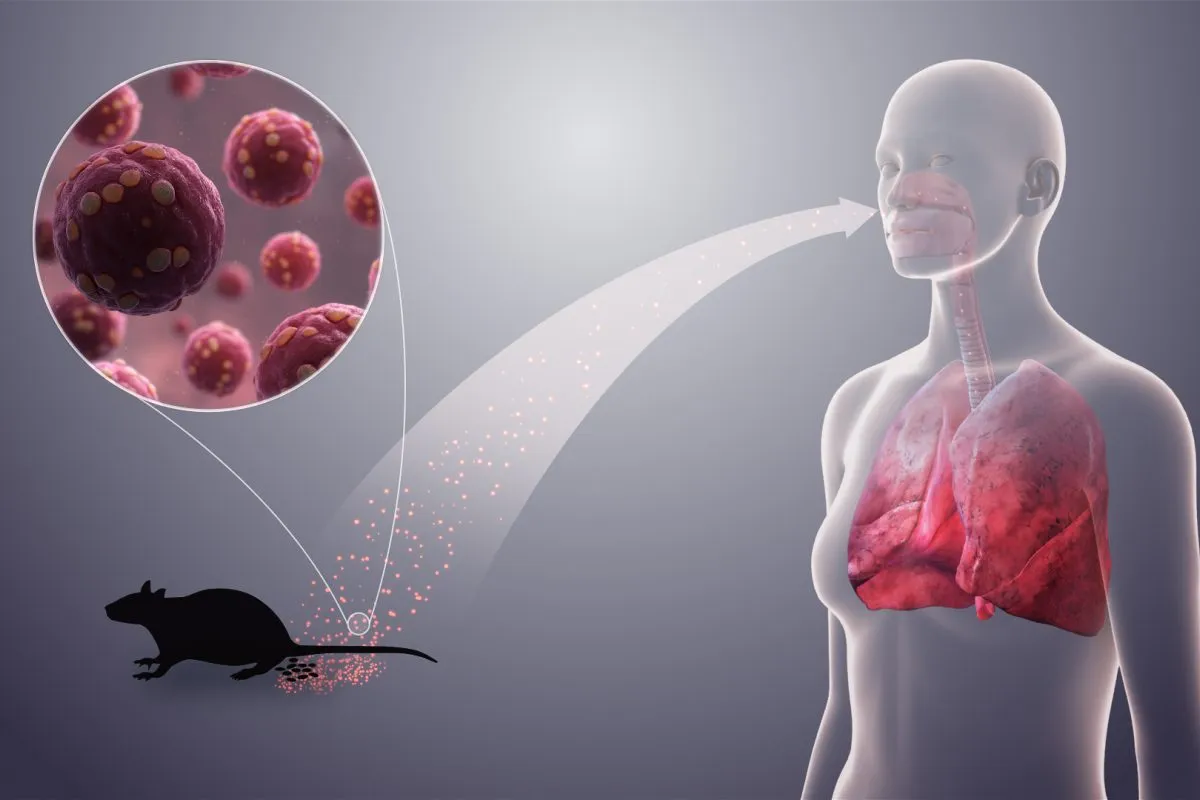
Rodents serve as the primary transmitters of the hantavirus. The virus spreads through contact with rodent urine, droppings, or saliva. People can also inhale dust contaminated with the virus.
Public Information Campaign Launches in Montijo
Minsa has launched an informational campaign in Montijo and other at-risk areas. The campaign educates residents about prevention measures, especially in rural settings where agricultural work increases exposure risks.
Authorities urge residents to keep areas around homes clean. Food storage must be proper and secure. People should avoid any contact with rodent droppings or nesting materials.
These simple actions can significantly reduce the risk of infection. The campaign uses local radio, community meetings, and printed materials to reach remote populations.
Broader Context for Panama’s Hantavirus Situation
Panama has faced sporadic hantavirus outbreaks for years. The disease typically appears in rural agricultural regions. Veraguas Province has seen cases before, but the recent cluster has raised concern.
The country recently hosted experts from 10 nations to strengthen hantavirus surveillance and early detection capabilities. That meeting aimed to improve regional cooperation on the disease.
Minsa officials stress that the current situation remains contained. The public should not panic but should follow prevention guidelines carefully. Anyone experiencing fever, muscle aches, or breathing difficulties should seek medical attention immediately.
The Ministry continues to monitor the situation daily. Additional cases may emerge as surveillance expands in the affected areas.