


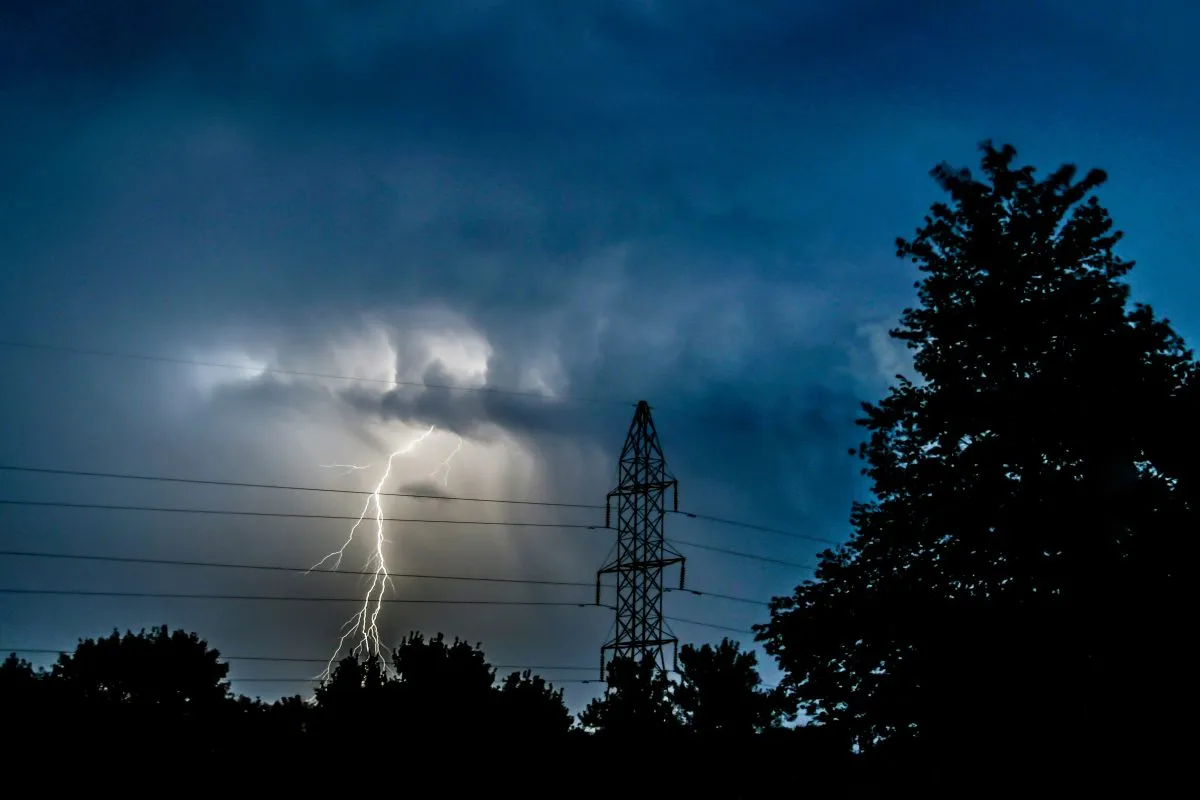
Two separate power outages struck Panama on Monday, affecting thousands of customers and reviving questions about the reliability of the national electricity system. The first incident originated at the Cobre Panama power plant in Donoso, while the second was linked to a transmission line failure attributed to weather conditions.
The blackouts hit the capital, Colon, and eastern Panama zones. They exposed lingering vulnerabilities in a grid still adjusting to the aftermath of the mine’s operational shift. ENSA, the distribution company serving those areas, confirmed the disruptions.
First Incident Linked to Cobre Panama Power Plant
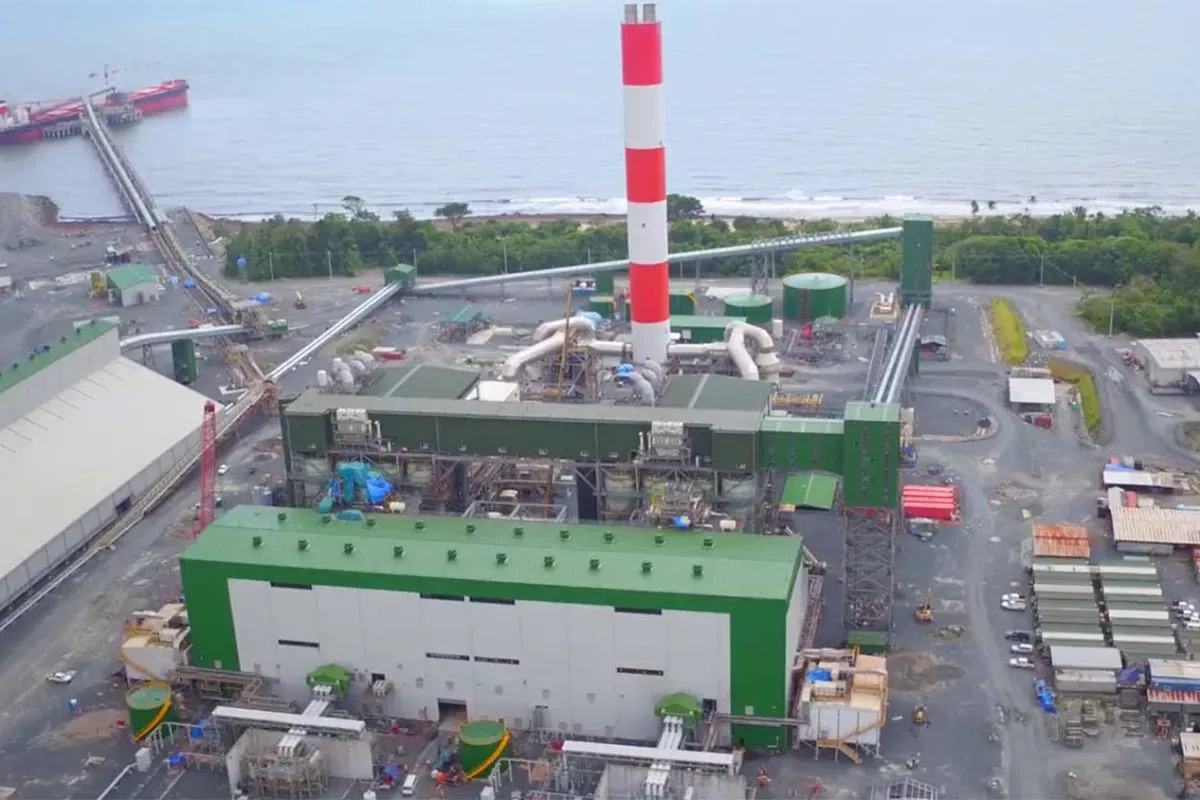
The first outage occurred at 11:59 a.m. on Monday. A trip at the Cobre Panama thermoelectric plant caused a temporary interruption in the national electricity supply. The plant, located at the mine site in Donoso, has a capacity of 300 megawatts and runs on coal.
ENSA stated that the preliminary report from the National Dispatch Center (CND) pointed to the Cobre Panama plant as the source. “The interruption was due to a trip that occurred at the Cobre Panama generating plant,” the company said in a statement. [Translated from Spanish]
“An incident in one of the generation units of the thermoelectric plant affected the supply for a period of seven minutes,” Cobre Panama later acknowledged. [Translated from Spanish]
The company explained that the plant remains operational because it powers essential processes at the mining complex. It can also inject surplus energy into the National Interconnected System. The outage affected roughly 29,000 customers in areas including Tinajitas, Los Andes, Calzada Larga, Via Ricardo J. Alfaro, and Costa del Este. Power was fully restored by 12:06 p.m.
Second Outage Hits Water Treatment Plant
A second blackout struck later that afternoon. This one impacted the Chilibre water treatment plant. Cobre Panama quickly clarified that this second event had nothing to do with its thermoelectric facility.
Instead, the Empresa de Transmisión Eléctrica (ETESA) attributed the failure to weather conditions affecting a transmission line. The company operates the Panama electricity transmission system, which carries power across the country. This second incident deepened public unease about service stability.
Experts in the electrical sector explained that the initial trip resulted from a protective disconnection of equipment integrated into the grid. The thermoelectric plant was generating power when a fault caused it to disconnect, leading to a temporary service drop.
Cobre Panama Defends Plant Operations
Cobre Panama defended the continued operation of its coal-fired plant. The company stated that the Preservation and Safe Management Plan (PGS) authorized its current activities. This plan was approved by Panamanian authorities under Resolution No. 45, dated May 30, 2025.
“Article two, section b, explicitly permits the operation of the Minera Panama thermoelectric plant located at the Punta Rincon International Port,” the company said. [Translated from Spanish] The plant is part of activities necessary to guarantee the safe care and maintenance of the site.
The facility has two units of 153 MW each, totaling 306 megawatts of installed capacity. To remain active, it consumes an average of 2,800 tons of coal daily. The coal is imported from Colombia.
Government Authorizes Limited Mining Operations
The government, through the Ministry of Commerce and Industries, has authorized partial mining operations. These are specifically for processing exposed rock material, transforming it into copper concentrate, and exporting it. A resolution published in the Official Gazette No. 30498 on April 7, 2026, established these terms.
The measure allows the mine to remove material that remains on site. Exposure to weather conditions poses a real risk of generating acid drainage. This could affect soil and water sources if not managed properly. The authorization does not mean a full reactivation of all mining activities.
Environmental Debate Reopens Over Coal Plant
The operation of the Cobre Panama coal-fired plant has reopened debate about environmental impact and climate commitments. An investigation published by Revista Concolon warned that the plant uses mineral coal, one of the fossil fuels with the highest carbon dioxide (CO2) emissions.
The report detailed that the plant’s continued operation contradicts Panama’s stated climate goals. The Cobre Panama power plant incident from 2023 had already sparked major protests across the country. Those demonstrations focused on the mine’s environmental and economic impacts.
Monday’s events also raised questions about the broader stability of the National Interconnected System Panama. Critics argue that relying on a single large industrial plant for grid support creates vulnerabilities. The system must handle both generation trips and transmission line failures.
ENSA confirmed that service was restored after each incident. But the two blackouts in a single day left many Panamanians wondering about the future. The grid faces pressure from aging infrastructure, weather events, and the complex status of the Cobre Panama facility.
Authorities have not announced any formal investigation into Monday’s outages. However, the events are likely to fuel further discussion about energy policy and the role of the mine’s power plant in the national grid.