


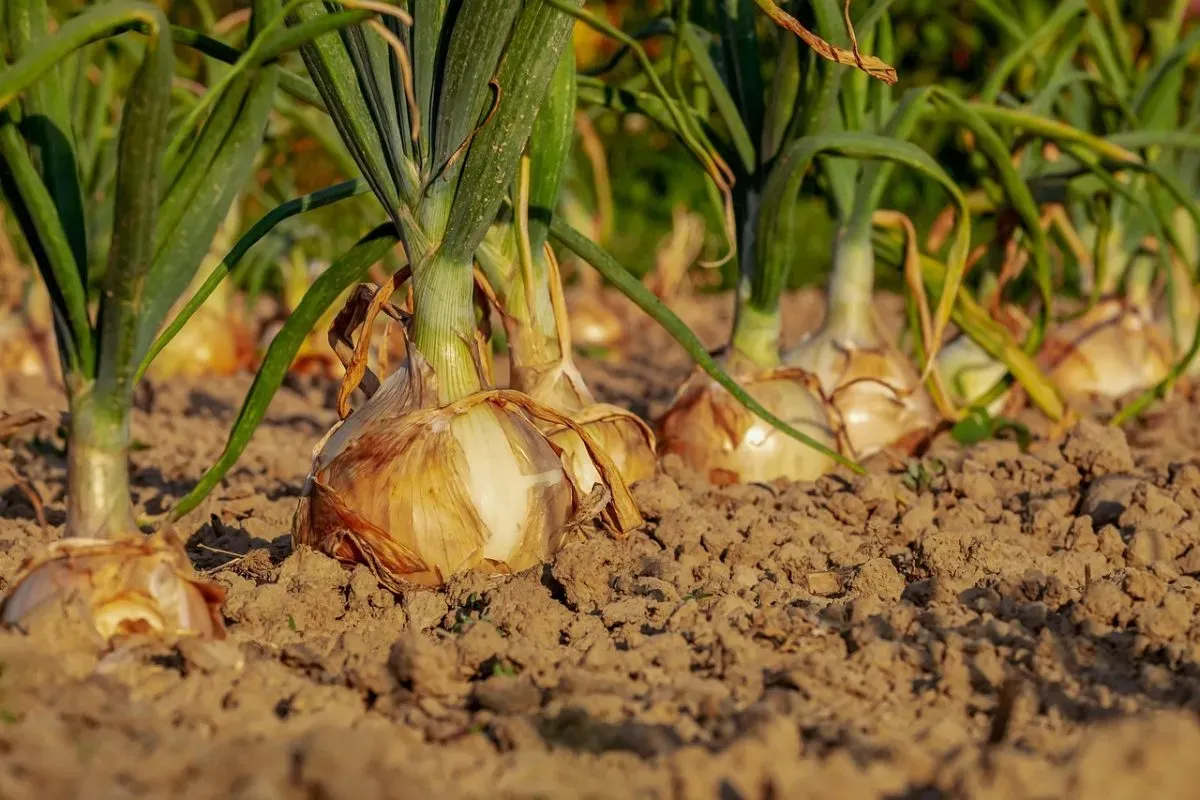
In the highlands of western Panama, a paradox is unfolding. Farmers in the Tierras Altas region are watching their fields yield bumper crops of potatoes and onions, yet many are struggling to break even. The problem is simple math: too much supply chasing too little demand.
Sara Navarro, a local merchant who buys directly from growers, described the current market reality. “Right now, a pound of potatoes in the field is going for 32 cents, and onions are between 30 and 34 cents. That’s really low,” she said.
“Sales are very weak across all products” [Translated from Spanish]
The situation stems from a combination of favorable weather and shifting agricultural patterns. Official projections from the Panama Ministry of Agricultural Development had predicted a potato production deficit by July. Instead, ideal growing conditions boosted yields well beyond expectations. For onions, the oversupply was compounded by shipments arriving from Panama’s central provinces, adding even more product to an already saturated market.
A Regional Economic Backbone Under Pressure
For Tierras Altas, these two crops are not just commodities. They form the foundation of the local agricultural economy. Lorenzo Jimenez, a farmer who has worked the region’s volcanic soils for years, explained the ripple effect. “Right now we could say that in both sectors, potatoes and onions, there is overproduction,” Jimenez said.
“This situation is worrying because this is the stronghold of Tierras Altas. When these two crops fall, everything else falls” [Translated from Spanish]
The economic impact extends beyond the fields. Local packing houses, transport companies, and input suppliers all depend on a steady, profitable cycle of planting and harvesting. When prices collapse, the entire supply chain feels the pain. Jimenez noted that the Agricultural Chain had initially recommended importing 30,000 quintals of onions for July based on earlier projections. Those imports were never authorized for August once authorities realized domestic supply would be sufficient. But the market had already shifted.
Weather, Planning, and Market Realities
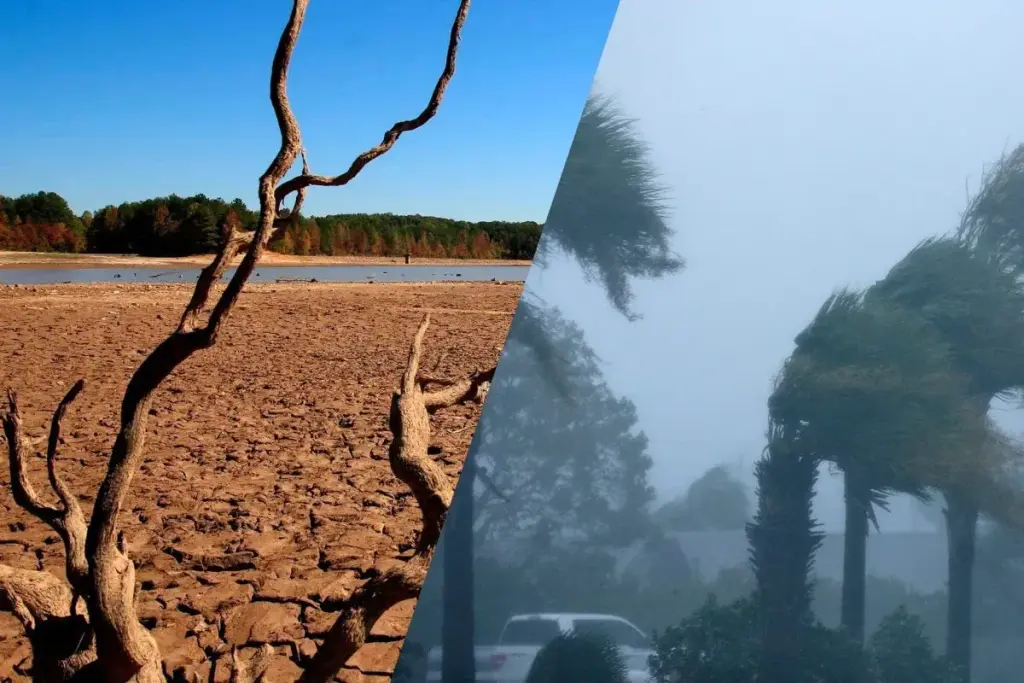
The disconnect between official forecasts and actual production highlights a broader challenge for Panama’s agricultural sector. Climate patterns have become less predictable, making it harder for agencies to plan. The same rains that threatened crops in some areas boosted yields in others. Farmers who followed government planting recommendations now find themselves competing against each other for buyers.
Jimenez pointed out that the country will remain well stocked with both potatoes and onions for the foreseeable future. That is good news for consumers but bad news for producers who need higher prices to cover their costs. The current farm-gate prices barely cover inputs like seed, fertilizer, and labor, leaving little margin for profit or reinvestment.
Some growers have called for government intervention to stabilize the market. They want mechanisms that can absorb excess supply or provide price supports during periods of glut. The debate over agricultural price stabilization measures is not new in Panama, but each crisis renews the urgency. Critics argue that direct intervention can distort markets, while supporters say that without some safety net, small farmers cannot survive the boom-and-bust cycles inherent in agriculture.
Looking for Solutions in a Changing Climate
Tierras Altas has long been known as Panama’s breadbasket, supplying fresh produce to markets across the country. The region’s cool climate and fertile soil make it ideal for temperate crops. But success has also created dependencies. When potato and onion prices drop simultaneously, there are few alternative crops that can fill the gap quickly.
Some farmers are exploring diversification, planting carrots, cabbage, or other vegetables that might fetch better prices. But switching crops requires new equipment, different inputs, and access to different buyers. Not everyone can make that transition overnight. Others are looking at improved storage facilities that could allow them to hold product off the market until prices recover, though such infrastructure requires significant investment.
The immediate outlook remains challenging. With harvests still coming in and demand showing no signs of a sudden spike, prices are likely to stay depressed for weeks. Farmers like Jimenez and merchants like Navarro are watching the markets daily, hoping for any sign of relief. For now, the fields of Tierras Altas are producing abundance, but that abundance has become a burden.