


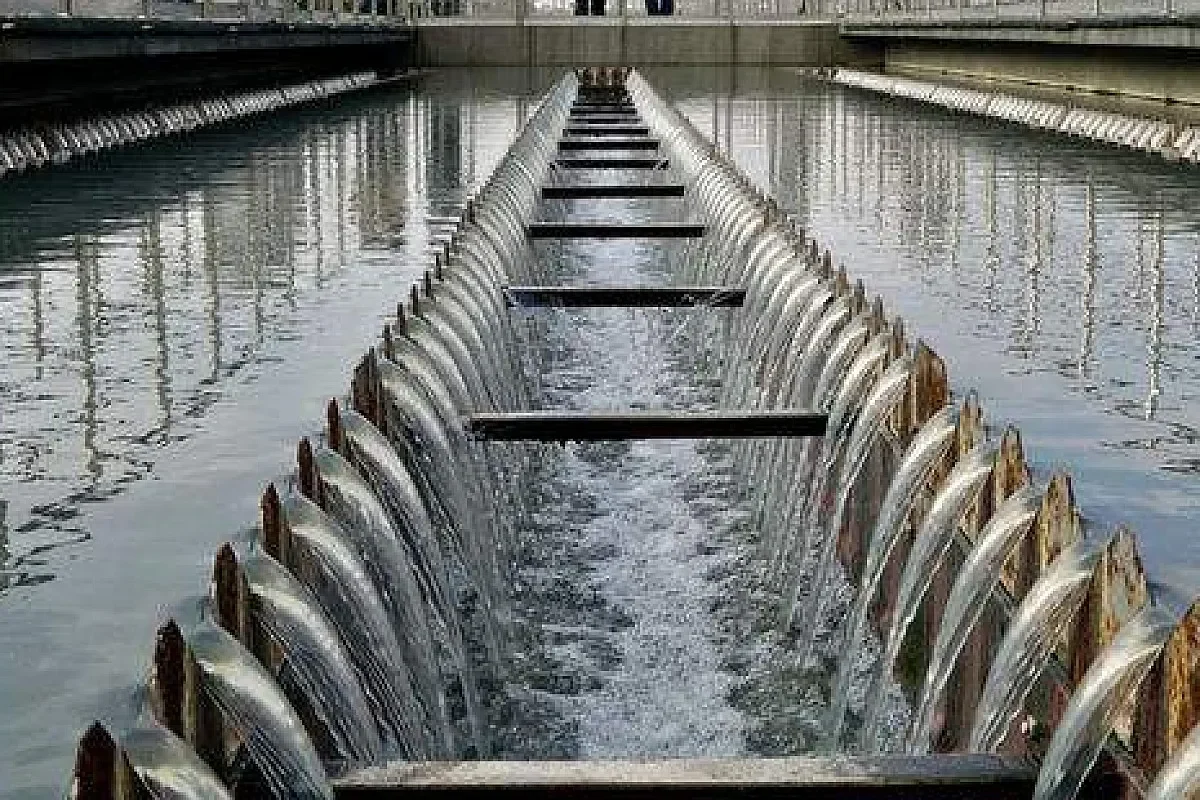
An unexpected electrical failure forced the Panama Canal Authority to suspend drinking water production in Mendoza early Tuesday, triggering uncertainty for thousands of households that rely on the facility for their daily supply. The stoppage, reported around 5:30 a.m. on August 11, left officials racing to diagnose the problem while communities waited for word on whether taps would run dry.
Drinking Water Production in Mendoza Suspended Indefinitely
The sudden interruption came without warning, and the agency acknowledged it had no immediate estimate for when normal operations would resume. Workers at the Mendoza treatment plant scrambled to contain the electrical fault as the morning unfolded, but the exact nature of the incident wasn’t fully detailed in the initial alert.
The Panama Canal Authority issued a brief statement confirming the halt in drinking water production in Mendoza, stating that technical crews were already on site. No injuries were reported, and the facility’s structural integrity appeared uncompromised, officials said. Still, the lack of a restoration timeline fueled anxiety among residents in the capital region and surrounding communities.
Electrical Fault and Immediate Response
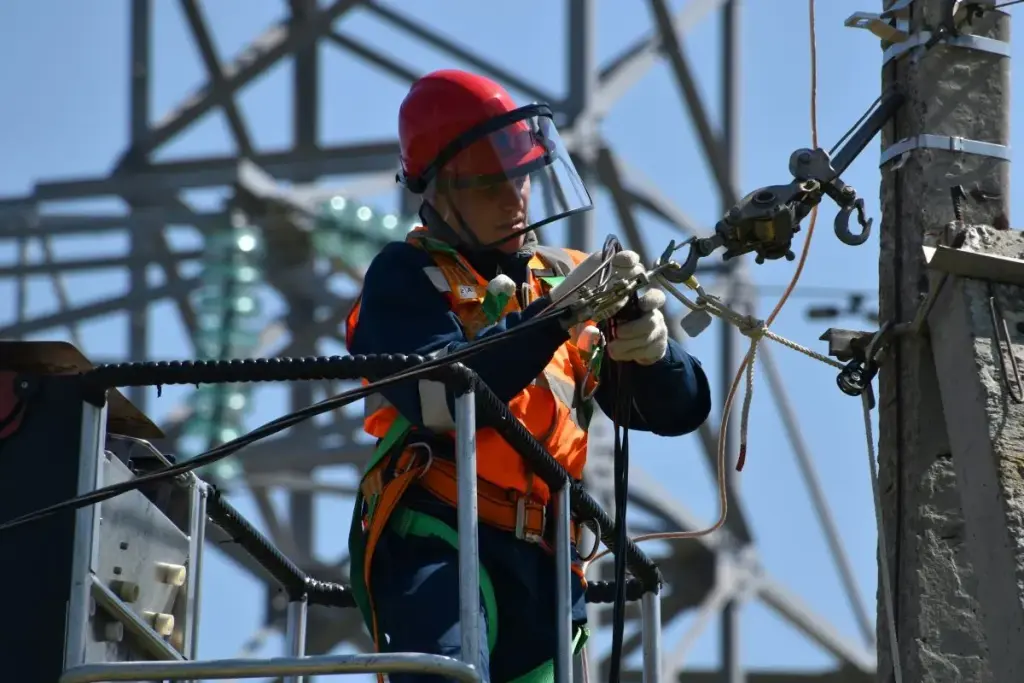
Canal operators described the cause as an electrical incident that tripped critical systems just before dawn. While such events are not uncommon in aging infrastructure, the Mendoza plant serves a densely populated corridor where even brief outages can pinch supply. The Authority said it was deploying backup measures but offered few specifics.
“The production of drinking water at the Mendoza plant is temporarily suspended due to an electrical incident,” the Panama Canal Authority said in a statement. [Translated from Spanish]
The announcement stopped short of confirming any immediate service disruptions to homes or businesses. Water storage reserves typically provide a buffer, but the longer the outage persists, the greater the risk of low pressure or localized cutoffs, especially during peak usage hours.
Community Water Supply Concerns
The Mendoza plant is one of several treatment facilities managed by the Panama Canal, an entity better known for moving ships between oceans than for delivering tap water. Yet the waterway’s watershed supplies drinking water to more than half of Panama’s population, making the Canal a linchpin of public health infrastructure. Any disruption to drinking water production in Mendoza quickly becomes a matter of national concern.
Residents in districts fed by the plant, including parts of Panama City and Panama Oeste province, have grown accustomed to reliable service. That reliability, though, also means that unexpected suspensions catch people off guard. Local social media groups buzzed Tuesday morning with questions about whether schools, clinics, and households should brace for shortages. The Authority promised to release updates as soon as technicians assessed the damage, but the silence in the first hours only fed speculation.
Historically, the Mendoza facility has weathered storms and equipment failures with minimal downstream consequences. The Canal’s maintenance teams regularly overhaul pumps and electrical panels to guard against prolonged breakdowns. Even so, the episode underscored the fragile connection between energy systems and water delivery in a region where both resources are under growing pressure from climate variability and urban expansion.
Incidente eléctrico afecta temporalmente la producción de agua potable en Mendoza pic.twitter.com/pHNwZk811s
— Canal de Panamá (@canaldepanama) August 11, 2026
Ongoing Monitoring and Restoration Efforts
By mid-morning, crews were still working to isolate the fault and bring backup power online. The Authority’s engineers prioritized restoring drinking water production in Mendoza without compromising safety protocols. No public call for water rationing had been issued, but officials urged consumers to use water prudently until normal output levels returned.
The incident also revived broader conversations about infrastructure resilience. With Panama’s dry season approaching and reservoir levels closely watched, the Canal’s dual role as a trade route and water provider has rarely been more visible. Every hour the plant sits idle, the buffer provided by stored water shrinks, reminding the region that even the most strategic installations aren’t immune to unforeseen electrical hiccups.

As the day progressed, the Authority’s silence on a repair timeline suggested the problem might be more complex than a simple breaker reset. Still, veteran observers noted that the Canal’s track record with water plant emergencies has been solid, and that crews had restored service within hours during past minor outages. For now, residents and businesses can only wait, watch the faucets, and hope that the morning’s jolt doesn’t turn into a prolonged dry spell.