


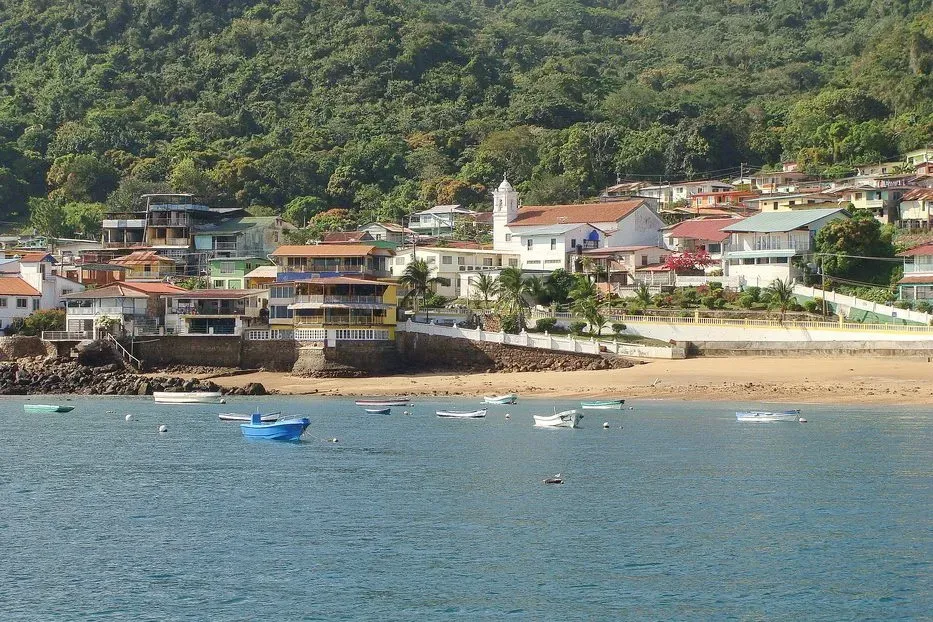
Residents of Taboga Island spent more than four hours clearing debris from their beaches this week, as Taboga Island pollution originating from Panama City continues to inundate the archipelago’s shores. The cleanup effort underscores a worsening environmental dispute between island communities and the capital’s waste management failures.
Local officials and residents confirmed that garbage from Panama City and surrounding areas drifts across the bay, accumulating on beaches across Taboga and neighboring islands. The pollution directly threatens tourism, the primary economic lifeline for island families.
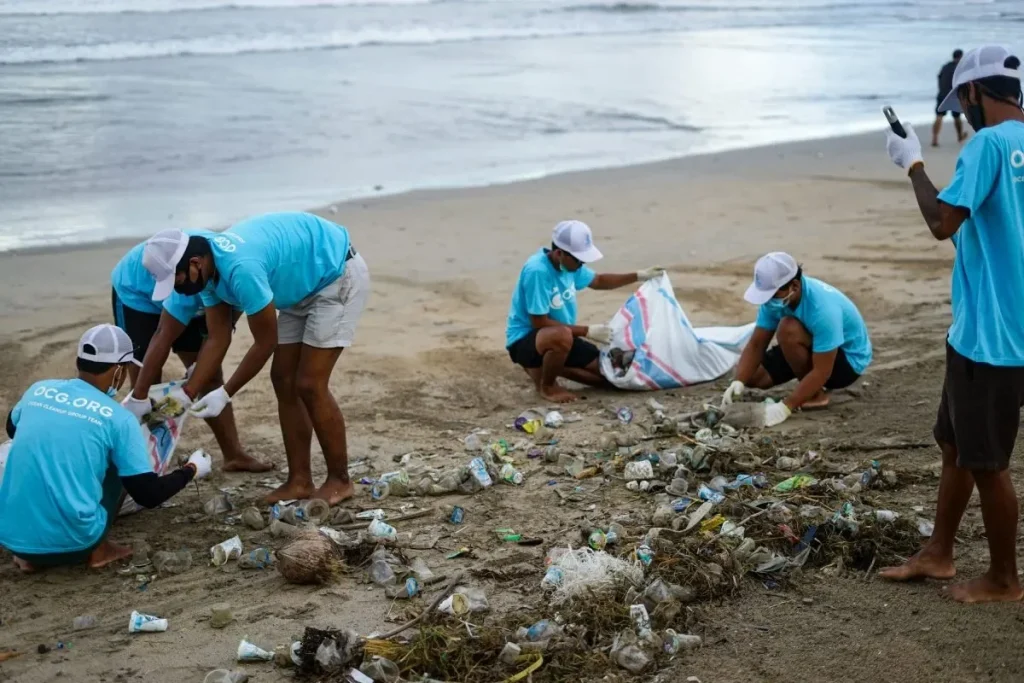
Taboga Island Pollution Threatens Tourism and Livelihoods
Island residents depend almost entirely on visitors drawn to Taboga’s beaches and clear waters. When trash blankets the coastline, bookings drop and local businesses suffer. A single heavy rainfall in Panama City can flush tons of urban waste into drainage systems that empty directly into the Pacific Ocean.
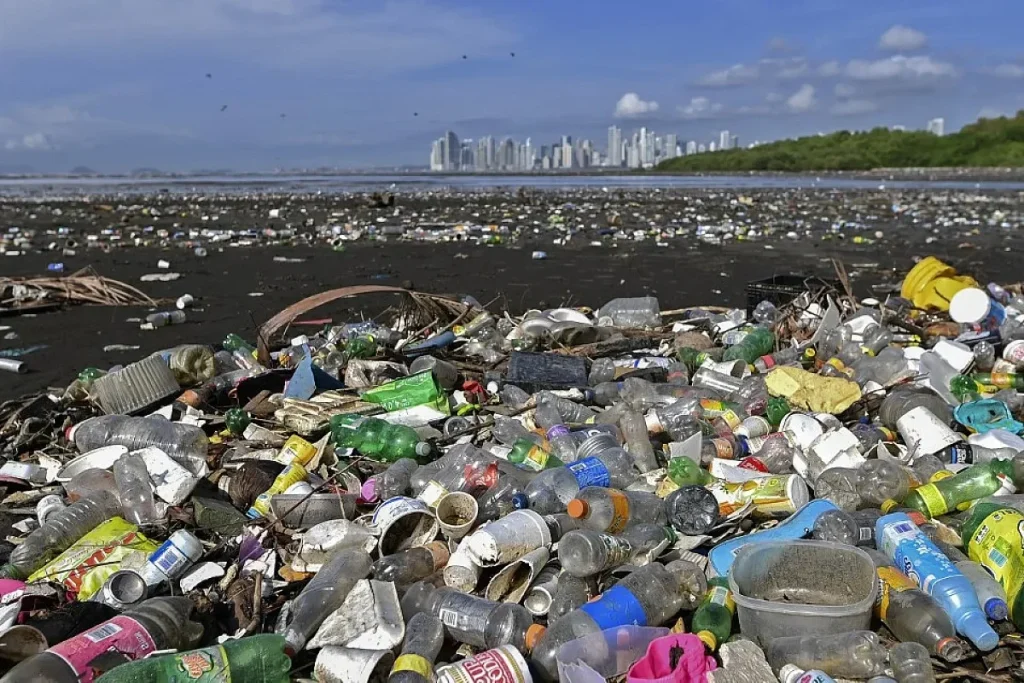
Panama City generates approximately 2,500 tons of solid waste daily. A significant portion escapes formal collection, entering rivers like the Matasnillo and Juan Díaz, which then carry plastics, Styrofoam, and household refuse into the bay. Ocean currents push this debris toward the Pearl Islands archipelago, with Taboga receiving a disproportionate share due to its proximity to the mainland.
Why Island Residents Should Not Bear the Cleanup Burden
Community members argue that Taboga’s population of roughly 1,500 people cannot be expected to manage waste generated by a metropolitan area of nearly two million. The island lacks the infrastructure, funding, or workforce to handle continuous influxes of foreign garbage.
The mayor of Taboga expressed frustration over the situation, noting that residents repeatedly sacrifice workdays and family time to clean beaches they did not pollute.
“We are cleaning what others throw away. Our people should not have to spend their weekends picking up trash from the city” [Translated from Spanish]
Environmental and Public Health Consequences
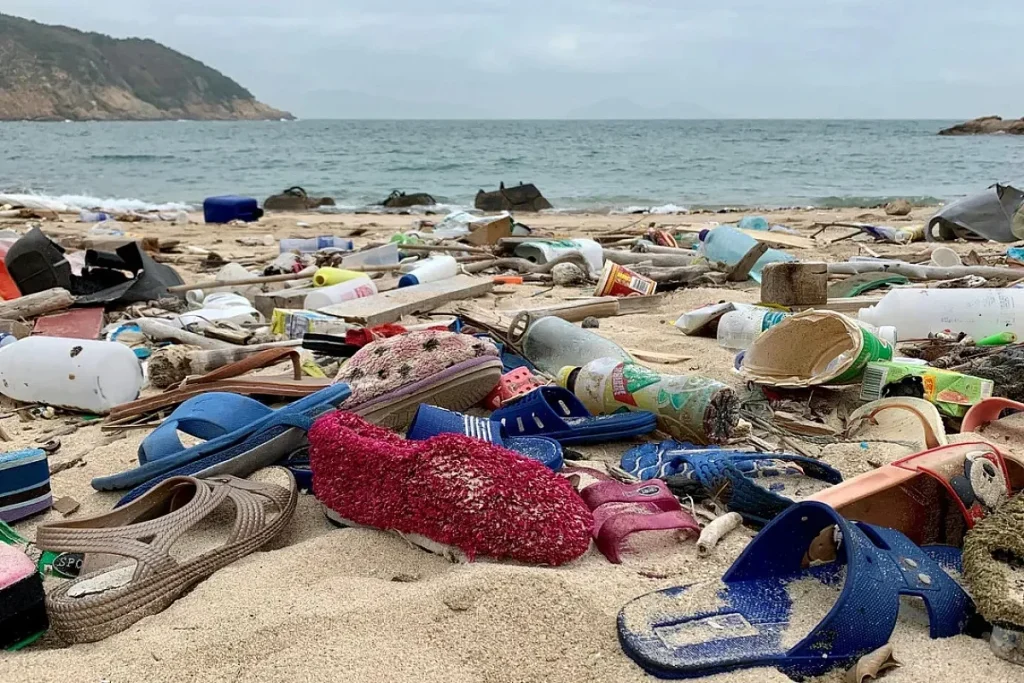
Marine debris does more than damage aesthetics. Plastics break down into microplastics that enter the food chain, affecting fish populations that local fishermen rely on. Discarded fishing lines and nets entangle marine wildlife, while decomposing organic waste creates bacterial hotspots near swimming areas.
Rivers act as conveyor belts for inland pollution. When residents of Panama City discard bottles, bags, and packaging into streets or waterways, rains transport that material directly to the sea. Preventing river contamination at the source remains far cheaper and more effective than beach cleanups after the damage reaches island shores.
Call for Regional Accountability and Prevention
Island authorities are urging Panama City residents to dispose of waste properly and demanding that municipal governments enforce anti-littering laws. Without upstream intervention, Taboga’s beaches will continue receiving the capital’s refuse within days of every major storm.
The crisis highlights a broader regional challenge. Coastal cities across Latin America struggle to contain urban waste before it reaches marine ecosystems. For Taboga, the solution requires cooperation from mainland communities, not just voluntary cleanup efforts by island residents already stretched thin by daily survival.