


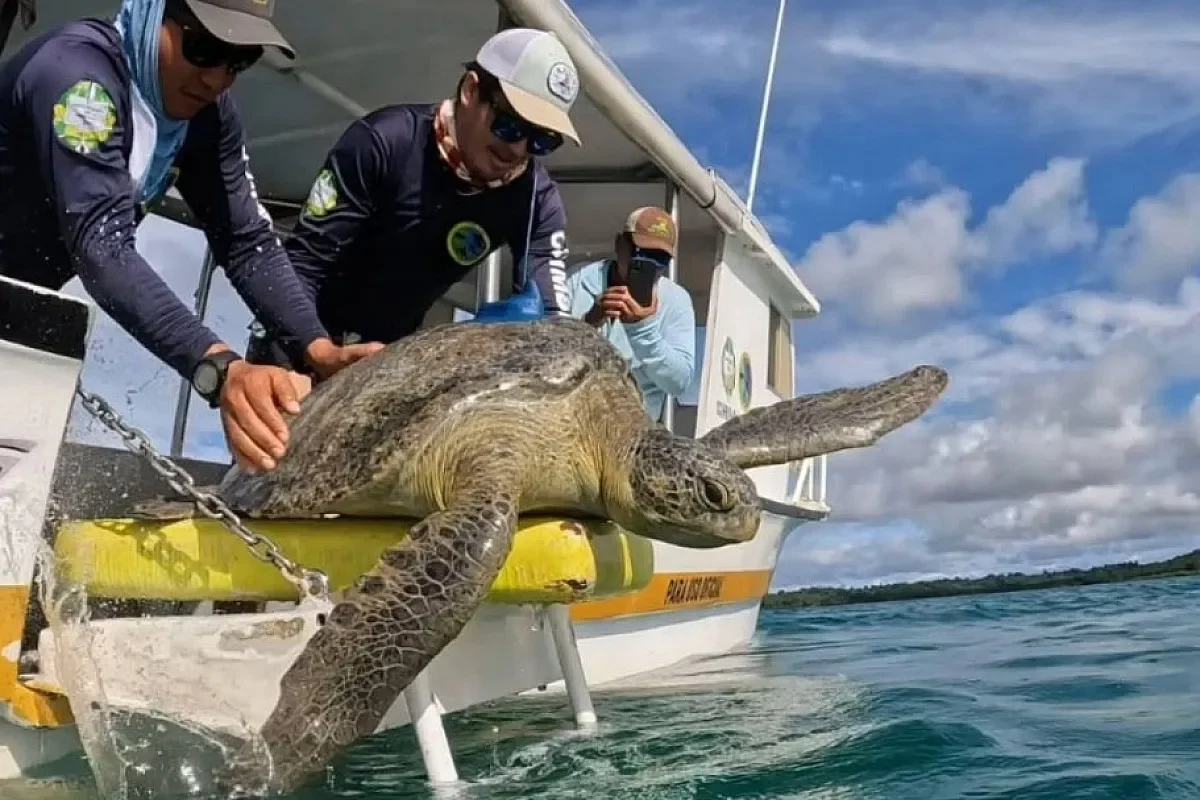
A new monitoring program has revealed that Coiba National Park serves as a critical habitat for adult green sea turtles, with most recorded specimens being healthy adults rather than juveniles. The findings, released by Panama’s Ministry of Environment (MiAmbiente), suggest the archipelago offers conditions capable of sustaining the species for extended periods.
The program, launched in June 2025 with support from the Ecological Trust of Panama (Fideco), systematically evaluates green turtles (Chelonia mydas) frequenting the archipelago to determine the ecosystem’s role in the species’ life cycle. Fieldwork involves nighttime dives at five sites including Playa Blanca, Isla Cocos, Granito de Oro, Bahía Gambute, and Isla Ranchería.

Adult Population Sets Coiba National Park Apart
Scientists are particularly struck by the age distribution of the turtles. Unlike other feeding areas in the Eastern Tropical Pacific where juveniles dominate, Coiba’s population consists primarily of adults. Captured specimens showed an average curved carapace length of 73.9 centimeters, with roughly 60 percent exceeding 75 centimeters, a measurement consistent with healthy adult individuals.
These dimensions align closely with those recorded for nesting females within the park itself. The animals averaged 46.7 kilograms, though some reached 71 kilograms. Researchers applied a specialized body condition index and found no specimens with significantly low weight, reinforcing the picture of a well-maintained habitat for the species.
Regional Connectivity and Phenotypic Diversity
The monitoring recorded wide variation in carapace color patterns. Some individuals displayed radiated designs in amber, orange, and chestnut tones, while others showed darker olive and gray shades with varying degrees of mottling. This phenotypic diversity carries significant scientific implications.
Wilfredo Poveda, scientific coordinator for Coiba National Park, noted that the presence of specimens with such distinct characteristics and coloration patterns is especially interesting.
“Coiba could constitute an interaction point for turtles coming from different areas of the Eastern Tropical Pacific,” Poveda said. [Translated from Spanish]
Research Methods and Future Questions
Each turtle located during the dives is measured, weighed, and tagged with metal plates before being returned to the water at its capture point. The tagging system aims to identify recaptures in future campaigns, helping researchers track movement patterns and site fidelity.
The recurrence of adults raises more questions than answers. Researchers still don’t know how long turtles remain in the archipelago or whether they subsequently move to other feeding or breeding areas. The observations open new opportunities to deepen understanding of the species and its regional connectivity. The results confirm that Coiba does not function as an occasional transit site but rather as an actively used area where adult green turtles maintain favorable body condition over prolonged periods.
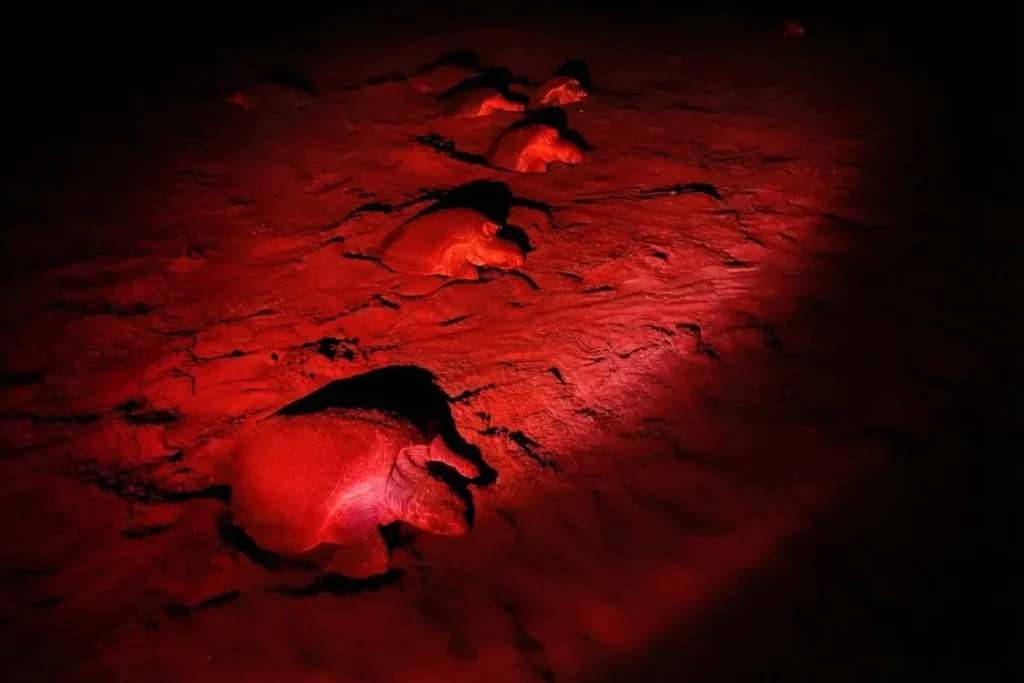
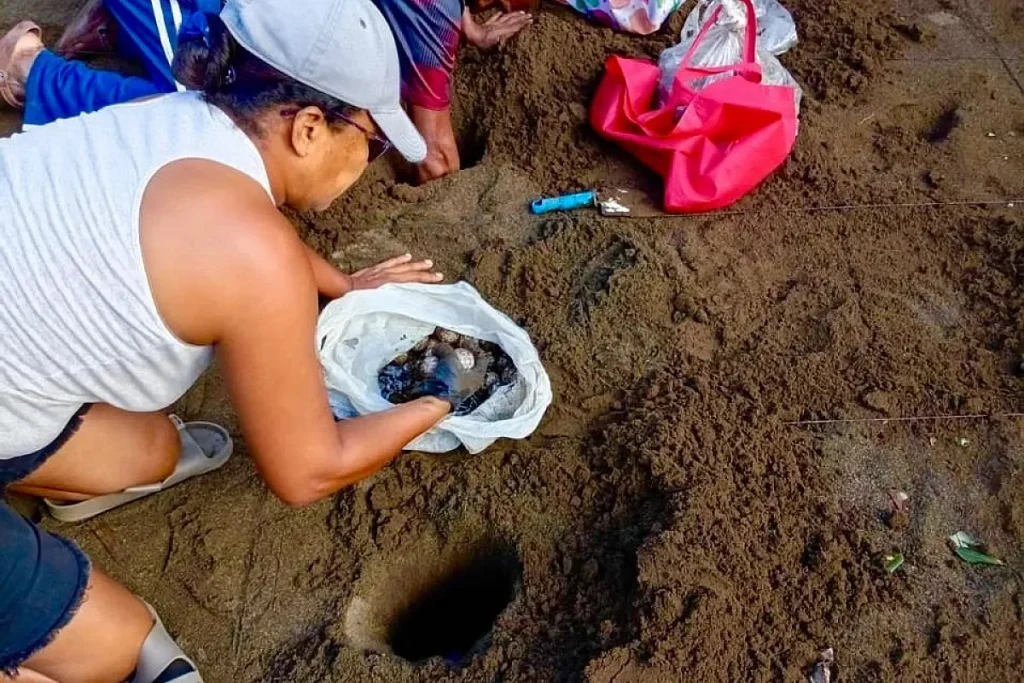
#Nacional | El Ministerio de Ambiente informó que se mantiene un monitoreo constante de la anidación de la tortuga verde en el Parque Nacional Coiba, uno de los principales sitios reproductivos de esta especie en Panamá. Guardaparques y biólogos realizan recorridos diurnos y nocturnos para registrar hembras, contar nidos y recopilar datos que permitan conocer el estado de la población y detectar posibles amenazas. El trabajo se desarrolla junto a la Fundación Coiba AIP y estudiantes de la Universidad Marítima Internacional de Panamá. Las autoridades destacaron que la información obtenida servirá para fortalecer las acciones de conservación y proteger a la tortuga verde, clave para la salud de los ecosistemas marino-costeros del país. #radioPanamá
— Radio Panamá (@radiopanama) January 17, 2026